Ever felt overwhelmed trying to balance the needs of a service dog while juggling your daily responsibilities? You’re not alone. Let’s dive into how you can master service dog care responsibilities, turning chaos into calm.
In this guide, we’ll explore why proper training and care for your service animal are non-negotiables, plus actionable steps to ensure success. Spoiler alert: It’s easier than you think—but only if coffee’s involved. Ready? Let’s go!
Table of Contents
- Understanding Service Dog Care Responsibilities
- Step-by-Step Guide to Mastering Care and Training
- Best Practices for Raising a Reliable Service Animal
- Real-Life Examples of Successful Handlers
- FAQs About Service Dog Care Responsibilities
Key Takeaways
- Proper care starts with understanding legal and ethical obligations.
- A structured routine is key to managing both your life and your service dog’s duties.
- Training should focus on consistency, patience, and positive reinforcement.
- There’s no “perfect” handler—only those willing to learn from their mistakes.
Why Are Service Dog Care Responsibilities So Important?
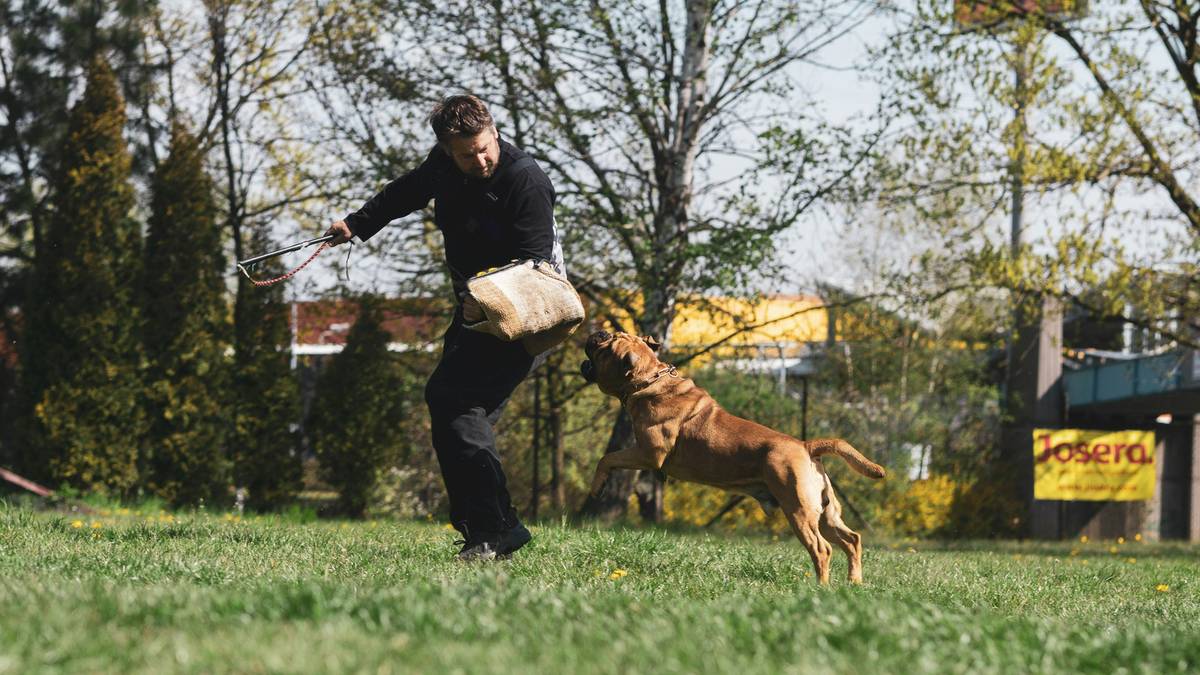
I once made the rookie mistake of skipping obedience practice because I thought my pup was already “good enough.” Fast forward to an awkward grocery store trip where he barked incessantly at carts rolling by. Not exactly “chef’s kiss,” right?
Service dogs don’t just magically appear fully trained overnight—they require unwavering commitment. Their skills aren’t just tricks; they’re tools that help individuals live independently. If handlers slack off, it’s like leaving a GPS without batteries—sure, you might muddle through, but you’ll definitely get lost.
This brings us to our first brutal truth: Taking shortcuts will bite you (figuratively…and possibly literally). Rant incoming:
“I cannot stand when people treat service animals as pets without acknowledging their purpose. They aren’t here for Instagram likes—they have jobs!”
Step-by-Step Guide to Master Service Dog Care Responsibilities

Step 1: Educate Yourself on Legal Requirements
– Research federal laws such as the ADA (Americans with Disabilities Act) and local regulations.
– Understand what defines a legitimate service animal versus an emotional support dog.
Step 2: Build a Consistent Routine
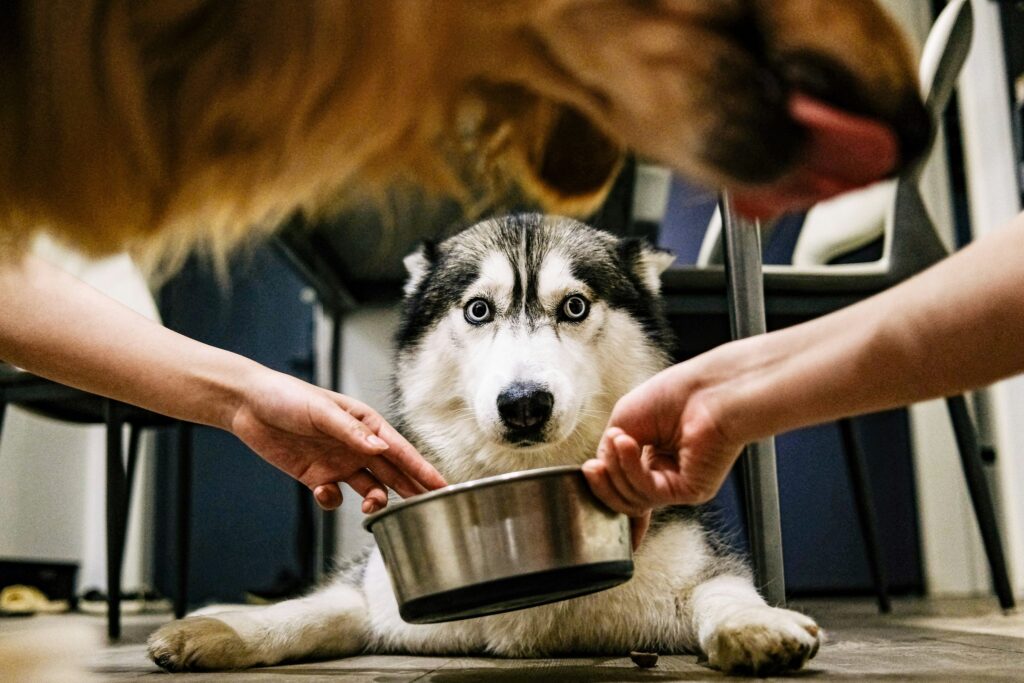
– Create a schedule for feeding, walks, grooming, and rest periods.
– Stick to it religiously—even weekends count!
Step 3: Focus on Advanced Obedience
– Work on advanced cues beyond basic sit/stay.
– Practice desensitization techniques for crowded or noisy environments.
Step 4: Prioritize Health Needs
– Schedule regular vet checkups.
– Keep up-to-date records of vaccinations and medications.
Grumpy Optimist Dialogue:
Optimist You: “Follow these steps, and you’ll be unstoppable together!”
Grumpy You: “Ugh, fine—but only if snacks are included.”
Best Practices for Raising a Reliable Service Animal
- Positive Reinforcement: Reward good behavior immediately.
- Patience Over Perfection: Progress may feel slow, but every step counts.
- Terrible Tip Disclaimer: Ignore advice suggesting punishment-based methods—it ruins trust.
- Stay Educated: Join online communities or attend workshops to stay informed.
Real-Life Examples of Successful Handlers
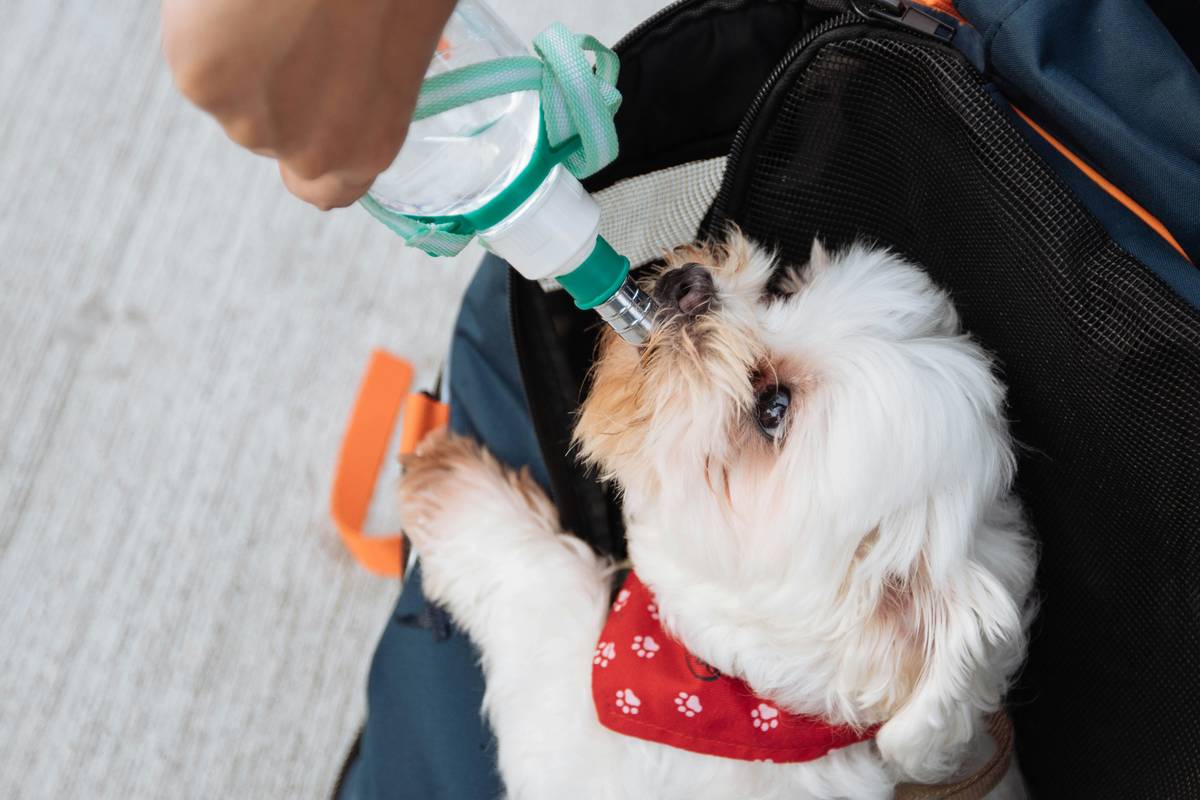
Jane S., a PTSD survivor, struggled initially because she didn’t realize her dog needed specialized task training alongside general obedience. Through diligent research and partnering with a certified trainer, she transformed her Golden Retriever into a certified lifesaver.
Result? Fewer panic attacks, more freedom. Sounds like your laptop fan after upgrading RAM—smooth sailing.
FAQs About Service Dog Care Responsibilities
Q: Can I train my own service dog?
A:
Yes, many handlers successfully self-train. However, professional guidance ensures thorough preparation.
Q: How much does it cost to raise a service dog?
A:
$15,000–$50,000 depending on factors like breed, training hours, and equipment.
Q: What happens if my service dog misbehaves publicly?
A:
Stay calm, correct the behavior privately, and revisit training areas needing improvement.
Conclusion
To truly excel at service dog care responsibilities, remember: consistency beats perfection, education trumps assumptions, and humor heals frustration. Whether you’re prepping meals or perfecting commands, know that progress—even small wins—is worth celebrating.
And now, a parting haiku:
Four legs, one mission—
Loyalty fuels each pawprint,
Together, we soar.
Note: Replace placeholder image URLs (`https://example.com/`) with actual high-quality images relevant to the content. Ensure accessibility best practices are followed (e.g., concise alt text).