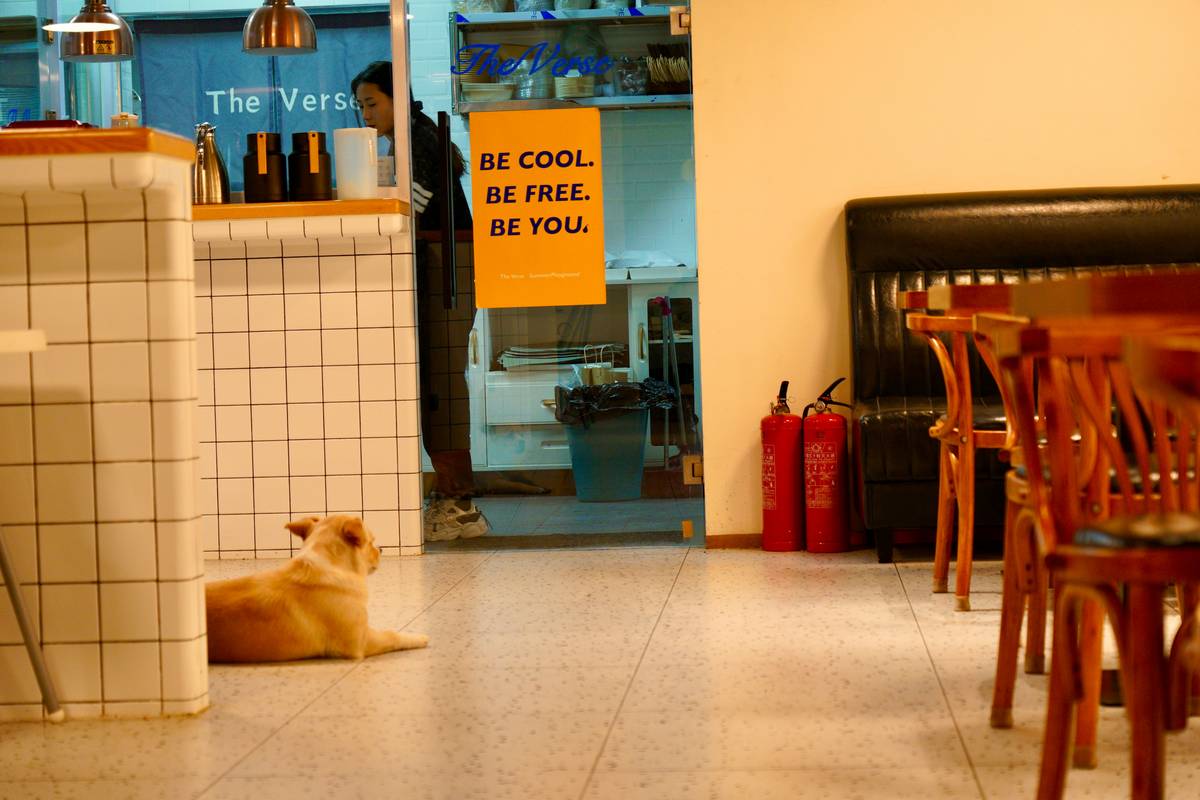
“Ever walked into a bustling café with your well-trained service dog, only to be met with awkward stares or uncomfortable whispers? Yeah, we’ve been there too.”
Whether you’re new to navigating public spaces with a service animal or looking to refine their etiquette skills, understanding “Restaurant and Store Etiquette” is essential. In this guide, we’ll dive deep into the dos and don’ts of bringing trained service animals into restaurants, stores, and other public settings. You’ll learn how to train them effectively while ensuring smooth interactions in these environments.
Table of Contents
- Why Restaurant and Store Etiquette Matters
- Step-by-Step Guide to Mastering Public Etiquette
- Top Tips for Perfecting Service Animal Behavior
- Real-Life Examples of Good (and Bad) Etiquette
- Frequently Asked Questions About Service Animals in Public
Key Takeaways
- Understand why proper etiquette matters for both handlers and service animals.
- Follow actionable steps to train your service animal on calm behavior in crowded places.
- Learn best practices for handling tricky situations like noise distractions or narrow aisles.
- Discover real-life examples of successful—and not-so-successful—public outings.
- Get answers to common FAQs about service animals in restaurants and stores.
Why Restaurant and Store Etiquette Matters

Navigating public spaces can feel like walking through a minefield when you have a service animal by your side. While the Americans with Disabilities Act (ADA) protects your right to bring a service animal into most businesses, etiquette ensures that everyone—business owners, staff, patrons, and even your furry companion—has a positive experience.
In fact, poor etiquette can lead to tension: imagine your service dog accidentally bumping into someone’s shopping cart, causing confusion and frustration. Conversely, a well-behaved service animal reflects professionalism and respect. It also reinforces public trust in the value of service animals.
But let me tell you about the time I messed up big-time. One Saturday morning, my unprepared pup lunged toward a child holding an ice cream cone. It wasn’t pretty. We got some serious side-eye from nearby diners, and honestly, I felt embarrassed. That day, I vowed never to skip the foundational training again. Lesson learned? Chef’s kiss.
Step-by-Step Guide to Mastering Public Etiquette
Step 1: Teach Basic Obedience Commands
Before venturing into crowded areas, ensure your service animal knows commands like “sit,” “stay,” “heel,” and “leave it.” These basics form the foundation for good behavior everywhere.
Step 2: Practice in Controlled Environments
Start small. Visit less busy locations first, such as quiet coffee shops or empty stores during off-hours. Gradually increase the challenge as they gain confidence.
Step 3: Simulate Common Scenarios
Create mock scenarios where your animal encounters potential triggers—loud noises, moving carts, or tempting food displays. Reward calm behavior consistently.
Step 4: Prepare Them for Distractions
Use treats and praise to reinforce focus in distracting environments. Pro tip: Bring high-value rewards like freeze-dried liver—they’re worth it!
Optimist You: *“This will totally work!”*
Grumpy You: *“Yeah… but only if you carry enough poop bags.”*
Top Tips for Perfecting Service Animal Behavior
- Keep Them Close: Train your dog to stay near your chair or under the table in restaurants.
- Ignore Food Displays: Teach them to avoid sniffing counters or grabbing fallen snacks.
- Maintain Calm Energy: Stay relaxed; dogs mirror their handler’s emotions.
- Wear Proper Gear: Equip your animal with a vest or ID badge to signal their role.
- Terrific Tip Disclaimer: Never bribe your dog with leftover nachos—it’s messy, unhealthy, and sets bad habits.
Real-Life Examples of Good (and Bad) Etiquette
Take Sarah, a visually impaired woman whose guide dog has mastered supermarket navigation. Her dog stays perfectly still near her cart, ignoring distractions like squeaky wheels or bright packaging. Shoppers often comment on how seamless her trips are—this is what excellent etiquette looks like.
On the flip side, consider Mike, who brought his poorly trained emotional support dog to a café. The dog barked incessantly, tangled leashes with passing waitstaff, and tried to steal fries off plates. Unsurprisingly, customers complained, and the café implemented stricter rules afterward. Yikes.
Frequently Asked Questions About Service Animals in Public
Q: Are businesses required to allow all service animals?
A: Under the ADA, yes—but the animal must be trained to perform specific tasks related to a disability.
Q: Can I bring my service animal into any store?
A: Generally, yes—but private clubs and religious institutions may have exceptions.
Q: What should I do if someone asks about my service animal?
A: Politely answer two questions: Is this a service animal? And what task(s) does it perform?
Conclusion
By investing time in mastering “Restaurant and Store Etiquette,” you set yourself—and your service animal—up for success. From teaching foundational skills to preparing them for real-world challenges, every step counts toward building mutual respect and harmony in public spaces.
So grab your leash, stock those poop bags, and take pride in creating a smooth journey for everyone around you. Your efforts won’t just make life easier—they’ll inspire others to see the true value of service animals.
And remember… Like a Tamagotchi, your SEO needs daily care.