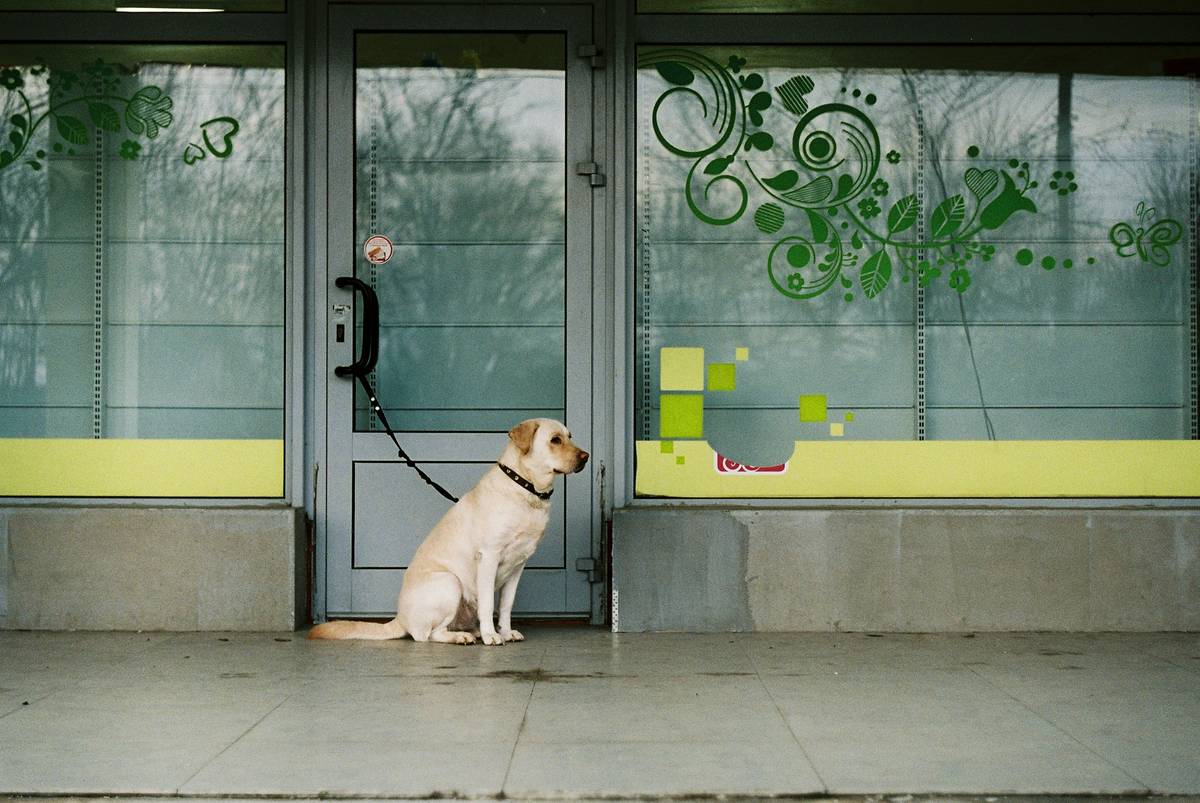
Ever been turned away from a store or restaurant because someone questioned your service animal’s legitimacy? Yeah, it stings. Whether you’re an owner training their first service dog or a trainer helping clients navigate these situations, public access denial is more common than you think.
In this post, we’ll break down what causes Public Access Denial Scenarios, how to handle them like a pro, and tips for avoiding unnecessary drama when venturing out with your trained companion. Buckle up—this one’s for both the optimists (“I can train my way out of anything!”) and the grumps (“Ugh, people just don’t get it”).
Table of Contents
- Key Takeaways
- The Problem: Public Access Drama
- How to Handle Public Access Denial Scenarios
- Best Practices for Avoiding Denial Situations
- Real-Life Examples of Successful Handling
- Frequently Asked Questions About Public Access Scenarios
Key Takeaways
- Public Access Denial Scenarios often stem from lack of awareness—not malice.
- Knowing your rights (and calmly asserting them) goes a long way in resolving conflicts.
- Proper training and certification documentation can reduce misunderstandings.
- Dress professionally, use proper gear, and practice patience during tense encounters.
The Problem: Public Access Drama
“You mean I spent six months teaching Fido not to bark at squirrels, only to be denied entry into Target?” Yup. It happens.
Service animals are protected under the Americans with Disabilities Act (ADA), but many businesses still don’t understand their obligations—or worse, they intentionally try to skirt the law. From restaurants claiming “health codes” to hotels insisting on fake credentials, navigating Public Access Denial Scenarios feels like playing whack-a-mole.

Why Does This Happen?
- Lack of Education: Many staff members simply haven’t been trained on ADA laws.
- Fake Support Animals: The rise of untrained emotional support animals has muddied the waters.
- Unrealistic Expectations: Some owners expect perfection without investing in thorough training.
How to Handle Public Access Denial Scenarios
Alright, time to arm yourself with strategies that actually work—and maybe even leave people impressed with your poise.
Step 1: Know Your Rights
The ADA allows service animals in all public spaces unless they pose a direct threat. You don’t need papers, ID cards, or special licenses. Businesses can ask two questions:
- Is the animal required because of a disability?
- What task(s) does the animal perform?
That’s it. No quizzes about breeds, no proof of training certificates. Memorize those two magic Qs—you’ll thank me later.
Step 2: Stay Calm and Professional
When faced with pushback, channel your inner diplomat. Smile politely and say, “My service animal is permitted here under federal law.” Keep explanations short; less is more. If they double down, escalate to management or file a complaint with the Department of Justice.
Step 3: Prepare Supporting Docs (Optional)
While IDs aren’t legally required, carrying a laminated card summarizing ADA rules can help diffuse tension. Bonus points if it looks official (but avoid sketchy websites selling fake certifications).
Best Practices for Avoiding Denial Situations
Sure, dealing with denials builds character…but wouldn’t it be nice to skip the hassle altogether?
#1 Train Like a Pro
A rockstar service animal doesn’t happen overnight. Invest in quality obedience training programs focusing on real-world distractions (loud noises, food smells, nosy toddlers). Bonus: Well-trained pups make employees *want* to welcome you back.
#2 Dress the Part
Nobody expects a tuxedo, but dressing neatly and ensuring your pup wears a clean, visible service vest signals professionalism. First impressions matter!
#3 Be Patient and Empathetic
Remember: Most denials aren’t personal—they’re symptoms of ignorance. A little kindness can turn skeptics into allies.
Terrible Tip Alert:
“Fake outrage online after every minor inconvenience.” Venting might feel cathartic, but ranting publicly could harm your reputation. Address issues privately instead.
Real-Life Examples of Successful Handling
Meet Sarah, a veteran handler whose well-behaved German Shepherd was once accused of being “too big” for an airplane cabin. Instead of arguing, she smiled, pulled out her laminated ADA info card, and asked nicely to speak with the flight supervisor. Within minutes, everyone was apologies and smiles.
Frequently Asked Questions About Public Access Scenarios
Can They Ask Me Detailed Questions About My Disability?
Nope. Employers cannot pry into medical specifics—it’s illegal discrimination.
What Should I Do If They Refuse Entry Anyway?
Politely leave, document the incident (video helps!), then file a formal complaint via DOJ.gov.
Do Emotional Support Animals Have the Same Rights?
Unfortunately, no. ESAs aren’t covered under the ADA and typically require permission for public spaces.
Conclusion
Handling Public Access Denial Scenarios isn’t easy—but armed with knowledge, confidence, and a dash of grace, you’ve got this. Remember, every challenge is an opportunity to educate others while advocating for your furry partner-in-crime.
Go forth and conquer those aisles, sidewalks, and lobbies—your service pup deserves nothing less than full access to life’s adventures.
P.S. Here’s a haiku for ya:
Paws steady, minds sharp,
Through doors once closed now open wide,
Together we thrive.