Ever tried teaching your service animal a new task, only for them to stare at you like you’re speaking Klingon? You’re not alone. Training a service animal requires patience, precision, and plenty of snacks—but more importantly, it demands the right preparation strategy. In this guide, we’ll walk you through everything you need to know about “service animal task preparation” so both you and your fur-baby can succeed.
Purpose: By the end of this post, you’ll have actionable steps, insider tips, and solutions to common hurdles in preparing your service animal for their life-changing role.
Preview: Expect insights into understanding foundational behaviors, implementing step-by-step task training, avoiding rookie mistakes, real-life success stories, and even an FAQ section to quell those lingering doubts.
Table of Contents
- Why Service Animal Task Preparation Matters
- Step-by-Step Guide to Service Animal Task Preparation
- Best Practices for Effective Task Training
- Examples of Successful Service Animals
- Frequently Asked Questions (FAQs)
Key Takeaways
- Preparation is the backbone of successful service animal task training.
- Start with basic obedience before diving into advanced tasks.
- Use positive reinforcement consistently—it’s chef’s kiss for progress.
- Avoid overwhelming your animal; focus on one skill at a time.
- Real-world examples prove that dedication pays off big-time.
Why Service Animal Task Preparation Matters
Imagine sending someone off to climb Mount Everest without showing them how to tie knots or use oxygen tanks first. Sounds crazy, right? The same principle applies when it comes to service animals—they need proper groundwork before mastering complex tasks like retrieving medication, guiding the visually impaired, or alerting during medical emergencies.
Here’s my confession: Early on, I made the rookie mistake of skipping foundational work because I was too eager to see results. Spoiler alert: rushing leads to confusion for both human and animal alike. If your dog doesn’t understand commands like “sit” or “stay,” attempting intricate tasks will feel like trying to teach calculus to a kindergartner.
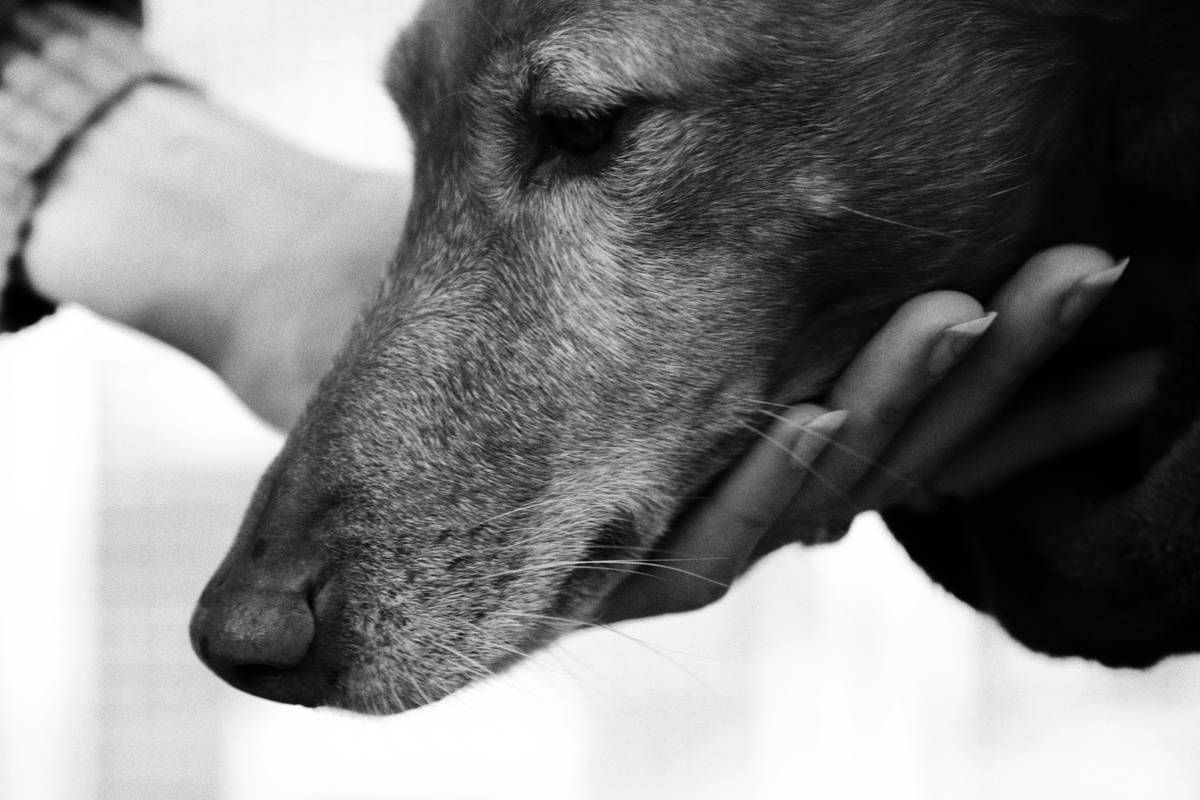
Figure 1: Building foundational skills ensures smoother task mastery later on.
This isn’t just about efficiency; poorly prepared animals risk being unable to perform reliably under pressure—a potentially dangerous situation for individuals who depend on them daily. Proper service animal task preparation lays the foundation for success while minimizing stress for everyone involved.
Step-by-Step Guide to Service Animal Task Preparation
Now let’s dive into the meaty part—the actual process of prepping your service animal for greatness.
Step 1: Establish Basic Obedience
Optimist You: “Let’s jump straight to cool tricks!”
Grumpy You: “Yeah, sure—but only after they’ve mastered ‘sit’ and ‘down.’”
- Focus on essential cues such as sit, stay, come, heel, and leave it.
- Keep sessions short but consistent—ten minutes max, twice a day.
- Reward every correct response immediately with treats or praise.
Step 2: Introduce Target Behaviors
Choose specific behaviors related to your desired task. For instance, if your goal is teaching object retrieval:
- Hold a favorite toy near the dog’s nose.
- Encourage them to take it gently.
- Mark the behavior with a clicker or verbal cue (“yes!”).
- Reward generously!
Step 3: Combine Skills Strategically
Once individual components are solidified, link them together. Going back to our retrieval example, teach taking the object + bringing it to you = mission accomplished.
Step 4: Generalize Across Environments
Noisy park? Busy street corner? Practice everywhere—and always reward effort over perfection. This builds confidence and adaptability.
Best Practices for Effective Task Training
Training a superstar service animal isn’t rocket science—but it *is* detail-oriented. Here’s what separates the pros from the amateurs:
Practice Positive Reinforcement
Positive reinforcement is non-negotiable. Think treats, toys, belly rubs—whatever lights up your pup’s world. Avoid scolding or punishment, which could damage trust and motivation.
Avoid Overloading Your Dog
Focus on ONE task per session. Trying to train multiple skills simultaneously is like playing Candy Crush on hard mode—impossible and frustrating for all parties involved.
Set Realistic Goals
Your Labrador won’t become a miniature Houdini overnight. Celebrate small wins along the way; slow progress beats rushed failure any day.
Hire Professional Help When Needed
Sometimes DIY just doesn’t cut it. Certified trainers bring experience and tools tailored to unique challenges, ensuring smoother sailing.
Terrible Tip Disclaimed: Never rely solely on YouTube tutorials unless you want to turn training into a chaotic guessing game. #LearnFromProfessionals
Examples of Successful Service Animals
Need inspiration? Let’s talk about Max, a German Shepherd trained to assist his owner with mobility issues. After months of relentless preparation—from leash manners to opening doors—Max became indispensable, helping his handler navigate everyday obstacles independently.
Or consider Bella, a golden retriever trained to detect seizures. Her owner credits meticulous task breakdowns (and endless belly rubs) for turning Bella into a lifesaver.
Sound familiar? With diligent planning and commitment, these transformations aren’t outliers—they’re achievable milestones.
Frequently Asked Questions (FAQs)
How long does service animal task preparation typically take?
It depends on the complexity of the task and the individual animal’s learning pace, but expect anywhere from weeks to months of dedicated effort.
Can older dogs learn new tasks?
Absolutely! While younger pups may pick things up faster, senior dogs benefit immensely from structured mental stimulation.
What if my dog seems disinterested?
Reevaluate your rewards system. Maybe treats aren’t motivating enough—try switching to playtime or affection-based incentives instead.
Should I certify my service animal?
Certification requirements vary by location, but focusing on reliable task performance should be your top priority regardless.
Conclusion
Mastering service animal task preparation isn’t just about achieving impressive feats; it’s about creating a meaningful partnership built on mutual trust and respect. Whether you’re starting from scratch or fine-tuning existing skills, remember that consistency trumps speed every time.
In summary:
– Lay a rock-solid foundation with basic obedience.
– Break tasks down into manageable chunks.
– Stay patient, celebrate victories, and seek help when needed.
– And above all else… don’t forget the power of high-fives and belly scratches!
Like a Tamagotchi, your training routine thrives on daily love and attention. Now go forth—and conquer that Mount Everest of service animal awesomeness!