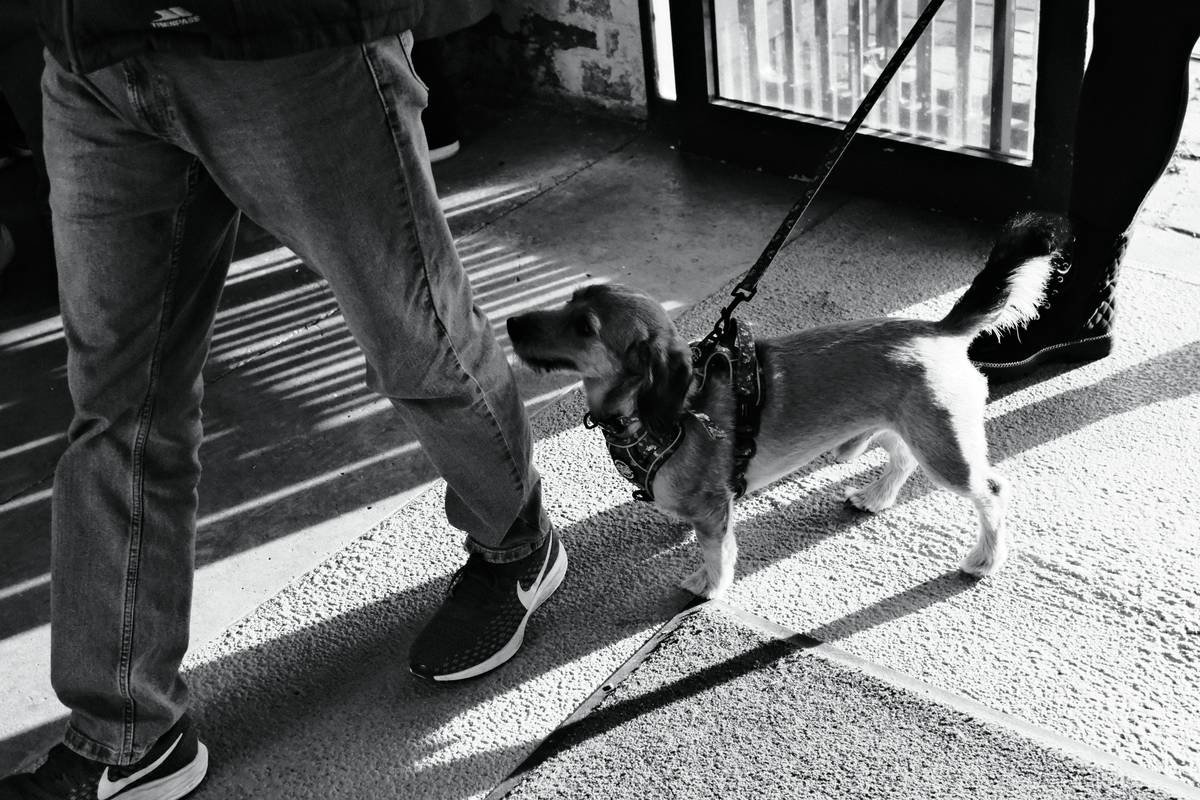
Ever been glared at in a grocery store because someone thought your service dog was “just a pet”? You’re not alone. Navigating support animal public space rules can feel like trying to solve a Rubik’s Cube blindfolded—frustrating, confusing, and often humiliating. But don’t worry, we’ve got you covered.
In this post, we’ll demystify the do’s and don’ts of bringing support animals into public spaces. From understanding legal rights to training tips that ensure smooth outings, you’ll learn everything you need to avoid those awkward encounters. Let’s transform confusion into confidence!
Table of Contents
- Understanding Support Animal Public Space Rules
- Step-by-Step Guide to Training Your Service Animal
- Best Practices for Navigating Public Spaces
- Real-Life Examples of Success (and Failure)
- FAQs About Support Animal Public Space Rules
Key Takeaways
- The Americans with Disabilities Act (ADA) defines where service animals are allowed but excludes emotional support animals from most public access rights.
- Training should focus on obedience, distraction-proofing, and proper behavior in crowded environments.
- Misrepresentation of an untrained pet as a service animal is illegal and frowned upon by communities.
- Handlers must understand their responsibilities as well as their rights under the law.
What Are Support Animal Public Space Rules? Why Should You Care?
If you’ve ever wondered why some businesses welcome service dogs while others turn them away, here’s the lowdown:
Service animals, typically dogs, are protected under the ADA, which grants them access to anywhere the general public goes—from restaurants to airplanes. However, emotional support animals (ESAs) do not have these same privileges unless explicitly permitted by local laws or individual businesses.
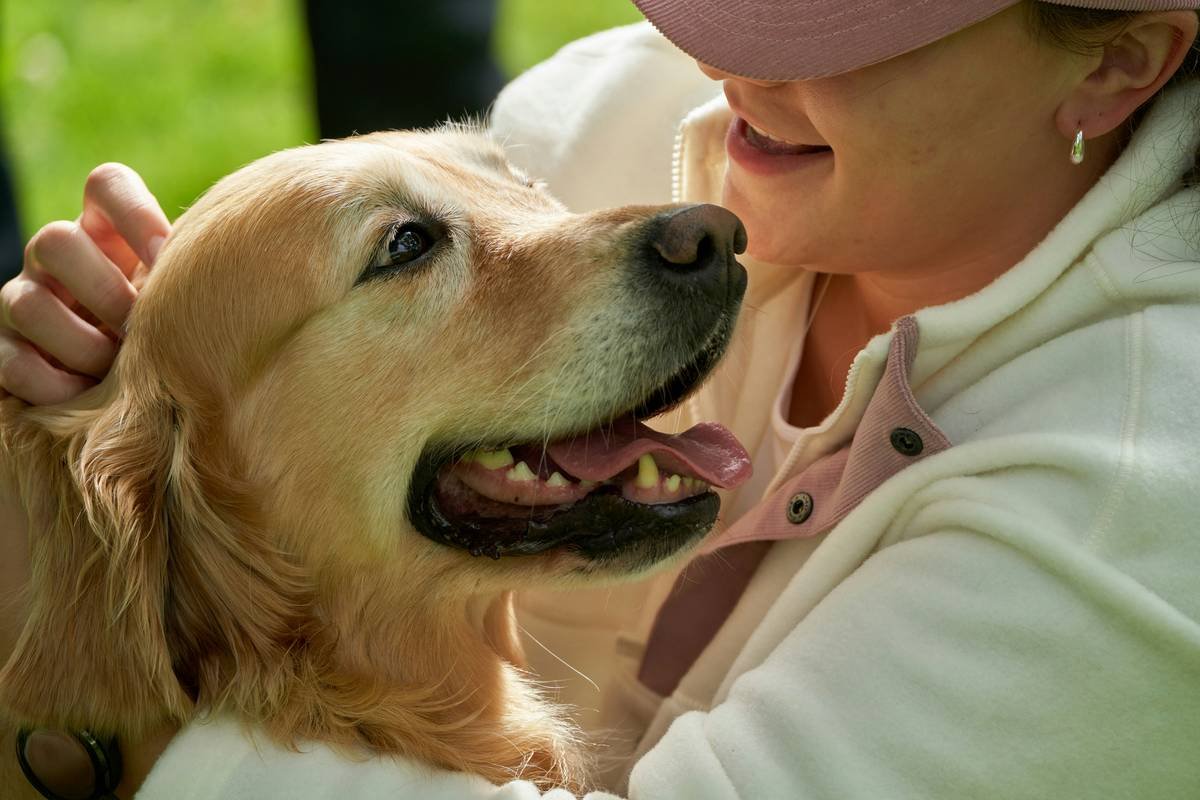
I once saw a handler being denied entry at a café because they couldn’t prove their ESA had undergone formal training—it was heart-wrenching. That’s why knowing the rules isn’t just about avoiding confrontation; it’s about respect—for business owners, other patrons, and your furry companion.
Step-by-Step Guide to Training Your Service Animal
Step 1: Establish Basic Obedience
Optimist You: “Basic commands? Piece of cake!”
Grumpy You: “Yeah, until Fido decides chasing squirrels is more fun than ‘sit.’”
Start with foundational commands like sit, stay, come, and heel. Consistency is key—you won’t believe how many handlers skip this step thinking advanced tricks will magically compensate.
Step 2: Distraction-Proof Your Dog
Public spaces are sensory overload zones. Teach your pup to ignore distractions like kids running around, loud noises, or tempting smells. Pro tip? Practice in progressively busier settings, starting with quiet parks before hitting malls.
Step 3: Simulate Real-Life Scenarios
Role-play situations your dog might encounter—elevators, narrow aisles, even people offering unsolicited pats. This prep work ensures they remain calm no matter what chaos unfolds.
Best Practices for Navigating Public Spaces
- Always Carry Documentation: While U.S. law doesn’t require ID cards, having one can ease tensions during disputes.
- Dress Professionally…Sort Of: Invest in a simple vest or harness labeled “Service Dog.” It signals professionalism without screaming “Look at me!”
- Know When to Walk Away: Sometimes, despite your best efforts, conflicts arise. Be prepared to leave gracefully if a situation escalates.
Terrific Tip Disclaimer: Don’t assume every establishment knows the rules. Politely educate when necessary—just save the rant for later over coffee.
Real-Life Examples of Success (and Failure)
Meet Sarah, whose impeccably trained guide dog navigates busy airports like a pro. Her secret? Endless patience and realistic simulations. Now compare that to John, who brought his untrained ESA aboard a flight—cue chaos involving spilled drinks and passenger complaints. Moral of the story: Preparation pays off.
FAQs About Support Animal Public Space Rules
Can I Bring My Emotional Support Animal Into Stores?
No. Unlike service animals, ESAs aren’t covered by the ADA and therefore lack public access rights. Check state-specific regulations for exceptions.
What Happens If Someone Asks If My Dog Is a Service Animal?
Under federal law, staff may ask two questions: Is the dog a service animal required due to a disability? What task(s) has the dog been trained to perform? No documentation or certification is legally required.
Conclusion
Navigating support animal public space rules doesn’t have to be daunting. Armed with knowledge, solid training, and mutual respect, you and your service animal can conquer any outing with ease. Remember, preparation prevents poor performance—and plenty of judgmental stares.
Like a Tamagotchi, your relationship with your service animal needs daily care. Keep learning, keep practicing, and above all, keep advocating for responsible ownership. Together, let’s make public spaces welcoming for everyone—including our four-legged heroes.