Ever wondered why your service animal seems to drag their paws through the day? Spoiler alert: it might be their diet. Just like us, our four-legged partners need tailored nutrition plans to perform at their peak—whether they’re guiding someone across a busy street or fetching life-saving meds.
In this post, we’re diving deep into Nutrition Plans for Service Animals. You’ll learn how proper nutrition impacts performance, step-by-step guidance on crafting a balanced meal plan, and tips to avoid rookie mistakes (yes, feeding them “people food” is one). Plus, we’ll sprinkle in some brutally honest advice, real-world examples, and maybe even a meme or two.
Table of Contents
- Why Nutrition Matters for Service Animals
- How to Create a Tailored Nutrition Plan
- Top Tips for Diet Success
- Real-World Examples of Impactful Nutrition Plans
- FAQs About Nutrition Plans for Service Animals
Key Takeaways
- Proper nutrition boosts energy levels and cognitive function in service animals.
- Tailoring diets based on breed, age, and task-specific needs ensures optimal health.
- Avoid processed foods and prioritize high-quality proteins and fats.
- Professional consultation can prevent costly dietary blunders.
Why Nutrition Matters for Service Animals
Hear me out—I once fed my dog nothing but cheap kibble because, hey, “dog food is dog food,” right? Wrong. That little mistake cost me vet bills from hell and weeks of guilt as he sluggishly plodded around the house like Eeyore. Lesson learned: what goes into their bowl determines how well they show up for work.
Service animals operate under unique stressors. They’re constantly training, working long hours, and relying on razor-sharp focus. A subpar diet filled with fillers and preservatives? It’s basically sabotaging your partner’s ability to do their job.

Optimist You: “Oh, come on—they’ll burn off the bad stuff!”
Grumpy Me: “Wrong again. This isn’t about calories; it’s about fuel.”
How to Create a Tailored Nutrition Plan
Crafting a top-notch nutrition plan involves more than just Googling “best dog food.” Here’s a blueprint:
Step 1: Assess Individual Needs
- Breed: Larger breeds often require joint-supportive nutrients like glucosamine.
- Age: Puppies need growth-friendly formulas, while seniors benefit from reduced caloric intake.
- Task: Active guide dogs need higher protein levels compared to therapy animals who engage less physically.
Step 2: Consult Professionals
Don’t go rogue here! Veterinarians specializing in working animals are worth every penny. Ask them about supplements, portion sizes, and brands they trust.
Step 3: Monitor Results
Track changes in behavior, coat condition, and stamina. If Fluffy suddenly perks up during her mobility drills, you know you’re onto something good.
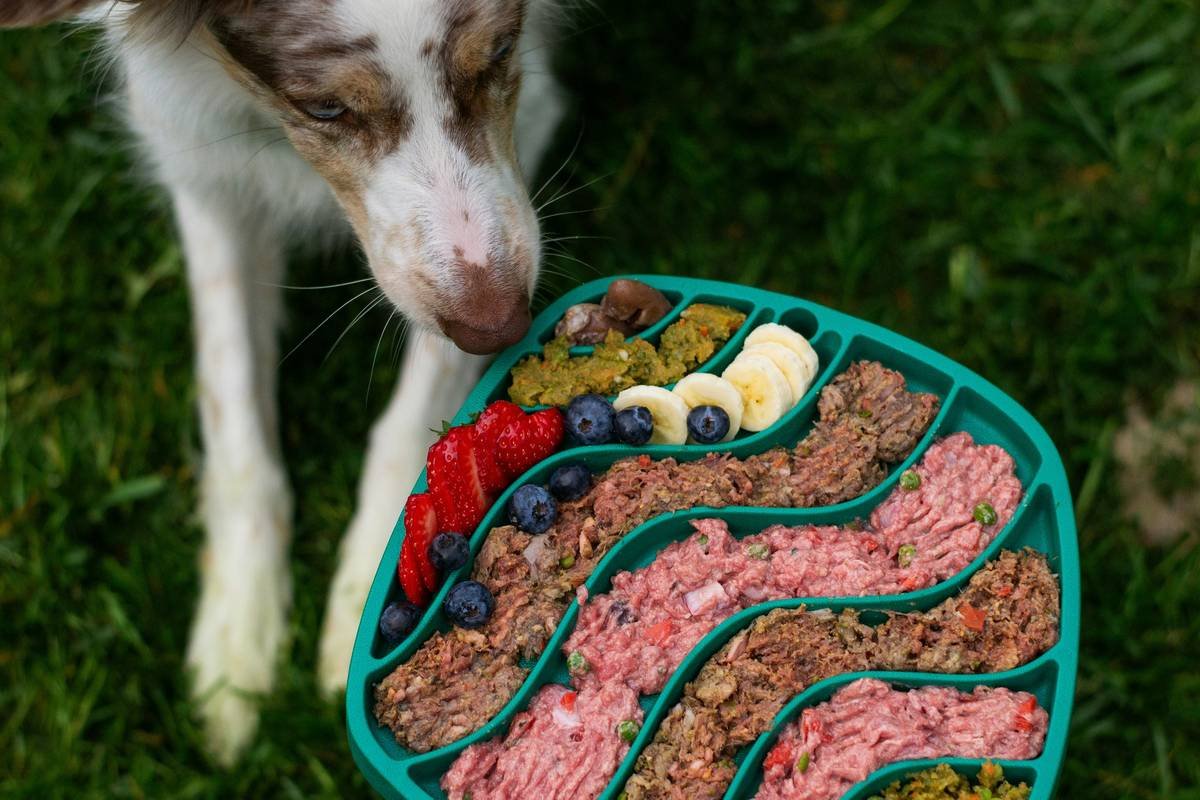
Pro Tip: Keep treats minimal and healthy. A handful of blueberries beats a greasy biscuit any day.
Top Tips for Diet Success
Here’s the golden checklist:
- Prioritize Protein: Lean meats should make up the bulk of their diet.
- Hydrate: Ensure constant access to fresh water—dehydration zaps focus fast.
- Rethink Grains: Unless your vet advises otherwise, limit grains that may cause inflammation.
- Supplement Strategically: Omega-3s boost brainpower, and probiotics aid digestion.
WARNING: Avoid overly trendy diets unless approved by a pro. Remember when kale salads were all the rage? Yeah, not everything works for everyone.
Real-World Examples of Impactful Nutrition Plans
Meet Max, a golden retriever tasked with mobility assistance. His owner switched him from generic kibble to a raw-food diet rich in chicken, sweet potatoes, and fish oil. Within weeks, Max showed increased endurance and sharper obedience responses.
Then there’s Luna, a PTSD support cat whose lethargy vanished after swapping dry pellets for wet food packed with taurine and vitamins. Both cases highlight the power of targeted nutrition.
FAQs About Nutrition Plans for Service Animals
Q: Can I feed my service animal homemade meals?
Absolutely—but only if you’ve done thorough research. DIY diets risk missing key nutrients unless crafted carefully.
Q: What’s the worst thing I could do diet-wise?
Feeding them toxic human snacks like chocolate, grapes, or onions ranks high. Also, skipping hydration is a recipe for disaster.
Q: How much does a vet consultation typically cost?
Prices vary, but think $50–$200 per session. Consider it an investment in their longevity and performance.
Conclusion
Nutrition Plans for Service Animals aren’t optional—they’re foundational. By understanding their unique needs, consulting experts, and tweaking recipes over time, you set your furry hero up for success. And remember: no shortcuts. Your buddy deserves chef-level care, so put down the bargain bin kibble already.
Like a Tamagotchi, their nutrition requires daily TLC. Feed smart, stay vigilant, and watch them thrive.