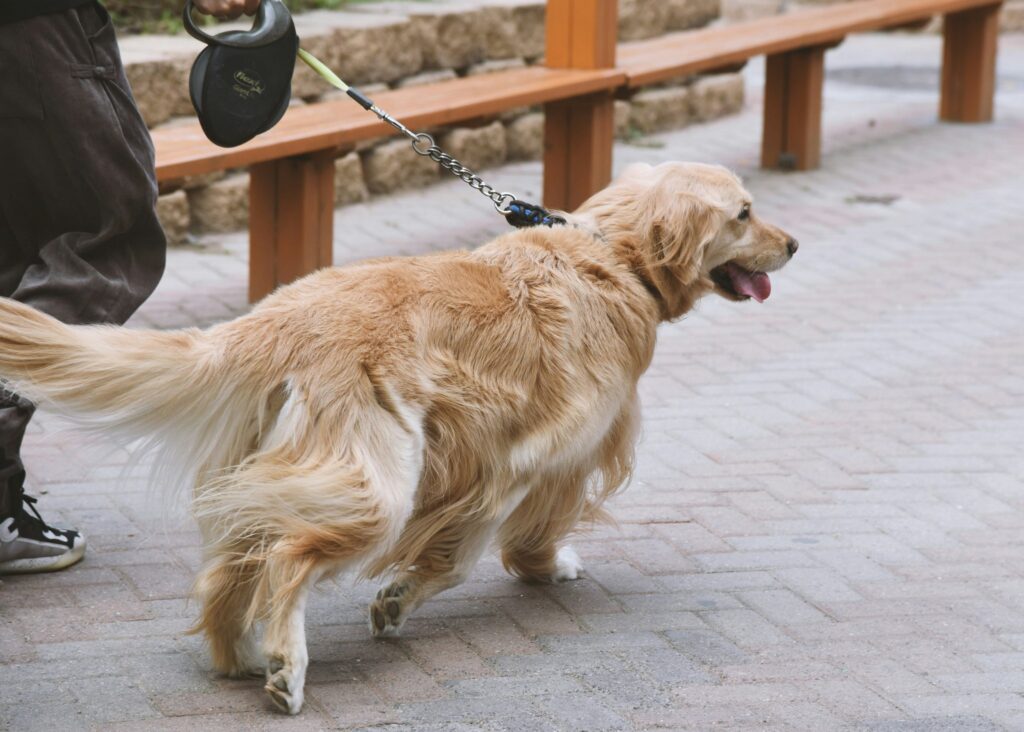
“Ever tried teaching your service dog to fetch your meds during a panic attack? Spoiler: It’s harder than it sounds.”
If you’ve ever wondered how service animals perform those life-changing tasks with precision, the secret lies in mastering task-specific commands. Whether you’re training a service dog to assist with mobility issues or an emotional support animal to provide comfort, this guide will break down everything—from understanding why these commands are crucial to executing them flawfully (yes, we said it).
You’ll learn:
– Why task-specific commands are the backbone of service animal training.
– A step-by-step breakdown of teaching these commands effectively.
– Pro tips, real-world examples, and even some terrible advice (you’re welcome).
Table of Contents
- Why Task-Specific Commands Matter
- How to Teach Task-Specific Commands
- Tips for Success
- Examples and Case Studies
- FAQs
Key Takeaways
- Task-specific commands help service animals perform critical functions reliably.
- Training requires patience, consistency, and positive reinforcement.
- Real-life success depends on tailoring commands to both handler needs and animal abilities.
Why Task-Specific Commands Matter
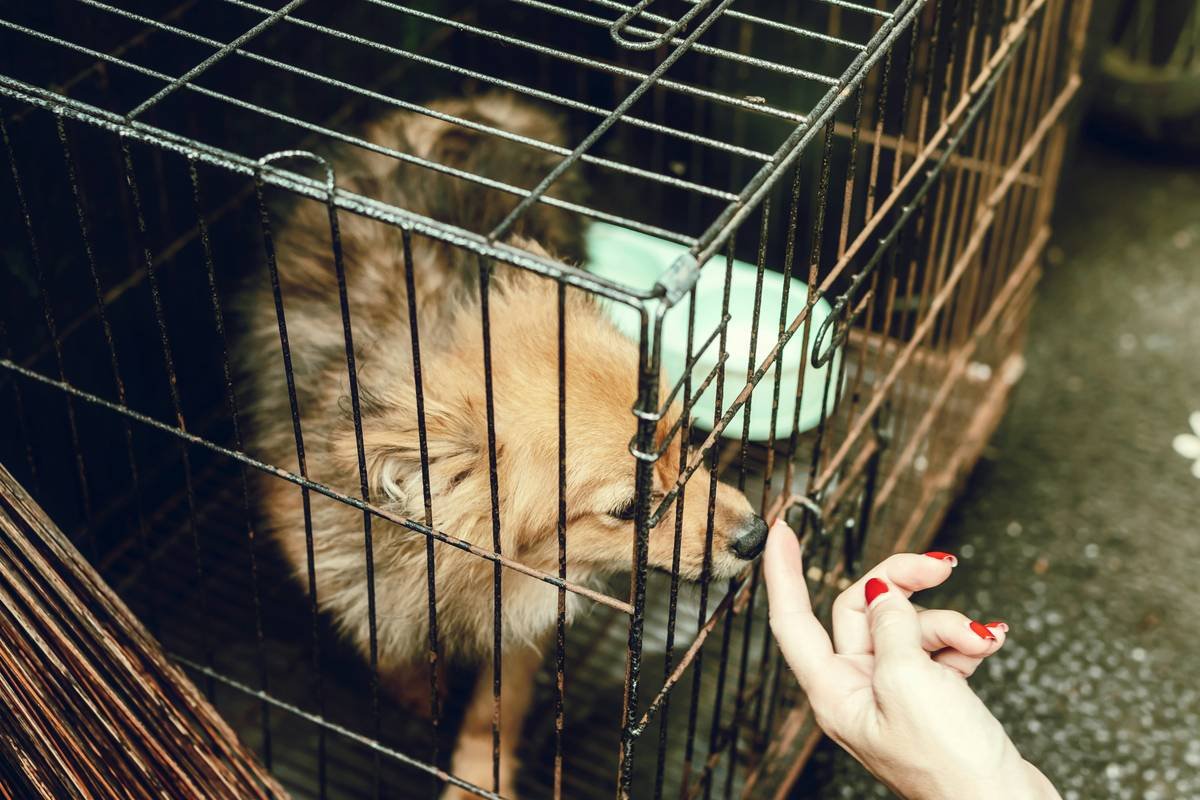
Let me start with a confession: I once spent three weeks trying to teach my service pup, Max, to turn off lights using only vague hand signals. The result was… not great. Max ended up jumping onto countertops instead of flipping switches. Epic fail.
The problem wasn’t Max—it was me. Without clear, concise task-specific commands, he didn’t have a clue what I wanted him to do. Service animals need explicit instructions because their jobs often involve high-stakes situations like alerting handlers to seizures, guiding visually impaired individuals, or fetching essential items in emergencies.
This isn’t just about obedience; it’s about reliability. Can you imagine being stranded without your phone and realizing your service animal doesn’t understand “Bring me the charger”? Yeah, no thanks.
Optimist You: “With proper training, they can handle anything!”
Grumpy You: “But first, prepare for endless trial and error.”
How to Teach Task-Specific Commands
Teaching task-specific commands might sound daunting, but breaking it into manageable steps makes it way less intimidating. Here’s how:
Step 1: Identify the Task
Start by pinpointing exactly what behavior you want your animal to learn. For example, if you need your dog to open doors, specify which type of door and whether it involves pulling or pushing.
Step 2: Break Down the Behavior
Animals don’t think abstractly—they thrive on specifics. Divide complex tasks into smaller actions. To teach “retrieve medicine,” for instance:
– First, train the dog to pick up objects.
– Then, focus on identifying specific objects (like pill bottles).
– Finally, combine retrieval with delivery to you.
Step 3: Choose Clear Cues
Select verbal cues that are easy to differentiate from other commands. Avoid overly similar words—if “fetch” means bringing toys, don’t use it for retrieving meds too. Stick to one-word commands whenever possible.
Step 4: Reinforce Consistently
Positive reinforcement is key. Reward every tiny success along the way. Sounds simple, right? But trust us, hearing yourself say “good boy!” 800 times gets old fast. Still worth it!
Step 5: Test and Refine
Once your animal masters the basics, test their skills under various conditions. Does your dog recognize the cue in noisy environments? Can they retrieve meds even when distractions abound?
Tips for Success
- Be Patient: Animals aren’t robots—they learn at their own pace.
- Keep Sessions Short: Five to ten minutes per session prevents burnout.
- Generalize Settings: Practice in different locations to ensure reliability.
- Hire Professional Help If Needed: Trainers specializing in service animals are invaluable resources.
Here’s a brutal truth: Never assume your pet will “just know” what you want. Assuming leads to frustration—for everyone involved. Also, avoid inconsistent language. One time calling something “grab” and another time saying “get” confuses your poor animal. Chef’s kiss disaster recipe.
Examples and Case Studies
Meet Bella, a Labrador trained to detect low blood sugar levels in her diabetic handler. She learned through meticulous repetition of the command “Check.” Initially, trainers paired this cue with physical prompts near medical devices. Over time, Bella recognized subtle scent changes independently, responding immediately by nudging her handler toward insulin kits.
Bella’s story showcases how tailored task-specific commands transform pets into heroes. However, it also highlights the importance of persistence. Her trainer admitted, “It felt like our entire neighborhood heard me scream ‘Bella, CHECK!’ 472 times before it clicked.” Oof.
FAQs
Q: How long does it take to train a task-specific command?
A: It varies widely depending on the complexity of the task and the individual animal’s aptitude. Simple tasks may take days, while more advanced ones could require months.
Q: Can any breed learn task-specific commands?
A: Yes, though certain breeds excel at specific types of work due to temperament and physical traits. For example, Retrievers are naturals at fetching, while Shepherds shine in protection-related tasks.
Q: What happens if my animal forgets a command?
A: Refreshers are normal! Revisit foundational training regularly to reinforce retention. Think of it as updating software—necessary maintenance keeps things running smoothly.
Conclusion
Task-specific commands empower service animals to perform miracles daily—but only when taught correctly. From identifying behaviors to reinforcing consistently, every step matters. So buckle up, grab your coffee (because, let’s face it, this process takes dedication), and celebrate each milestone.
Oh, and remember: No matter how frustrated you get, never throw random snacks across the room hoping they’ll chase them. Terrible idea. Learn from my mistakes.
Like a Tamagotchi, your training journey thrives with consistent care. Now go forth and conquer!