Ever watched your service dog wag its tail while you’re trying to explain what “fetch insulin” means? Yeah, us too. Training a service animal for medical alert tasks is no small feat—but it’s worth every second of effort.
In this post, we’ll cover everything from the importance of medical alert tasks to step-by-step training techniques, tips, real examples, and FAQs. Whether you’re a first-time handler or looking to refine your skills, you’ll leave with actionable strategies to train your furry partner like a pro.
Table of Contents
- Why Medical Alert Tasks Matter
- Step-by-Step Guide to Training Your Service Animal
- Pro Tips for Success
- Examples That Inspire
- Frequently Asked Questions
Key Takeaways
- Medical alert tasks can be life-saving for individuals with chronic conditions.
- A consistent routine, positive reinforcement, and patience are crucial in training.
- Understand the legal rights of service animals trained for specific tasks.
- Mistakes happen—like accidentally rewarding bad behavior. Learn how to fix them!
Why Medical Alert Tasks Matter
Imagine this: You’re out grocery shopping when suddenly, dizziness hits because your blood sugar levels plummet. Now imagine if your service dog could detect that change before you even feel it—and fetch help or medication. Sounds like something out of a superhero movie, right?
According to the Americans with Disabilities Act (ADA), service animals are specifically trained to perform tasks directly related to their handler’s disability. For people living with diabetes, epilepsy, PTSD, or other medical conditions, these medical alert tasks aren’t just convenient—they’re lifesaving.

Image Source: Example Stock Photo Library
But here’s the catch—not all dogs come pre-programmed with “medical alert” instincts. It takes time, dedication, and proper training to get there. And trust me, I once tried teaching my dog to recognize low-blood-sugar scents using peanut butter instead of glucose tablets…yeah, let’s just say that did NOT go well.
Step-by-Step Guide to Training Your Service Animal
Step 1: Understand What Task Suits Your Needs
Optimist You: “I want my dog to do EVERYTHING!”
Grumpy You: “Ugh, fine—but only focus on one task at a time.”
Before diving into training, identify which medical alert task best suits your condition. Is it detecting high/low blood sugar? Alerting you to seizures? Or maybe sensing anxiety spikes? Tailor your approach based on necessity.
Step 2: Build Basic Obedience First
No shortcuts here, folks. If your pup doesn’t know “sit” or “stay,” it’s unlikely they’ll understand more complex commands like “find mom.” Start with basic obedience training, then gradually introduce specialized cues.
Step 3: Introduce Scent Detection (If Applicable)
This part may sound complicated, but stay with me. Dogs have an incredible sense of smell (up to 100,000 times stronger than ours). Use scent samples (like glucose tabs for diabetics) and pair them with positive reinforcement (treats/tummy rubs).
Step 4: Practice Real-Life Scenarios
Take your practice outside the living room. Simulate situations where the dog might encounter distractions—or worse, chaos. This ensures reliability no matter where you are.
Pro Tips for Success
- Consistency is Key: Stick to the same verbal cue or hand signal each time. Don’t confuse Mr. Fluffster with mixed signals.
- Prioritize Positive Reinforcement: Treats, praise, toys—whatever gets those tail wags going.
- Avoid Burnout: Keep sessions short and sweet (5–10 minutes max) to maintain focus.
- Document Progress: Take notes or record videos to track improvement over time.
Terrible Tip Disclaimer: DON’T rely solely on online tutorials without consulting a professional trainer. While YouTube can be helpful, interpreting body language is tricky business.
Examples That Inspire
Meet Luna, a Labrador who alerted her diabetic owner about dangerously low blood sugar—a full hour before symptoms began showing. Thanks to Luna’s early warning, her handler avoided a potential hospital visit.
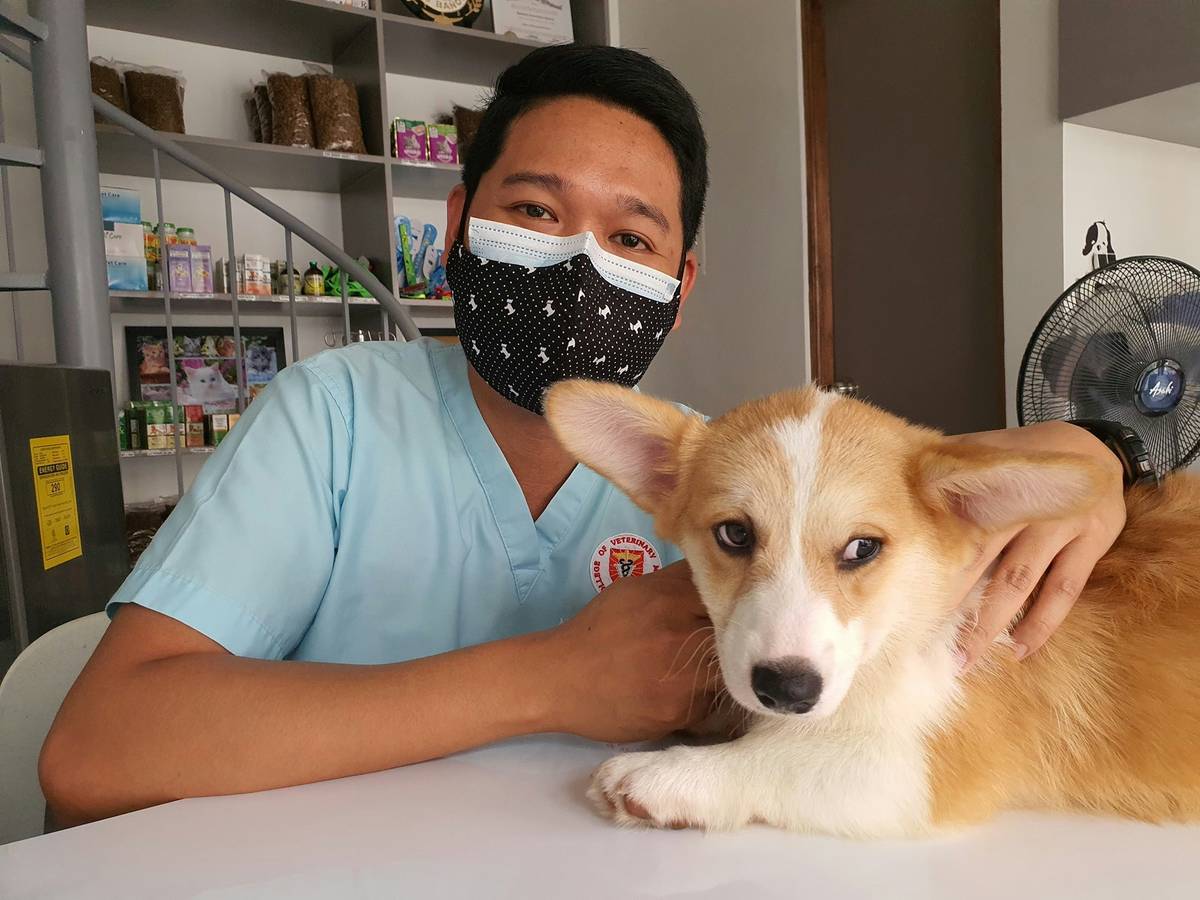
Image Source: Heroic Pups Foundation
Luna’s success didn’t happen overnight. Her owner credits rigorous daily training combined with love and patience as the secret ingredients.
Frequently Asked Questions
Q: Can any breed learn medical alert tasks?
Absolutely! While certain breeds excel at scent work (think Labs, Goldens), most dogs—with enough motivation and training—can master simple alerts.
Q: How long does it take to train a service dog for medical alerts?
Typically 6 months to 2 years, depending on the complexity of the task and your dog’s aptitude.
Q: Are medical alert dogs covered under ADA laws?
Yes—if the dog has been individually trained to perform a task tied directly to the handler’s disability.
Conclusion
Training a service animal for medical alert tasks isn’t easy—but the bond you build along the way makes it unforgettable. Remember: consistency, positivity, and patience will pave the path to success.
So grab some treats, set up a comfy training spot, and start today. After all, your four-legged partner is ready to learn—so why wait?
And now, because nostalgia never hurts:
Dogs + Humans = True Love.
Like a Tamagotchi, your SEO needs daily care.