Ever wondered why your service animal struggles to perform certain tasks despite hours of training? You’re not alone. Many pet owners and trainers face the same frustration when trying to master service animal task proficiency. The truth is, it’s not just about repetition—it’s about understanding your animal, building trust, and applying proven techniques that work.
In this comprehensive guide, we’ll explore what it takes to achieve service animal task proficiency. We’ll dive into common challenges, actionable steps to train effectively, best practices, real-world examples, and more. By the end, you’ll have all the tools you need to turn your furry companion into a confident, skilled support partner.
Table of Contents
- Why Task Proficiency Matters in Service Animal Training
- Step-by-Step Guide to Building Task Proficiency
- Tips & Best Practices for Training Success
- Real-Life Examples of Successful Task Proficiency Training
- Frequently Asked Questions About Service Animal Task Proficiency
Key Takeaways
- Service animal task proficiency ensures reliability in critical situations.
- Effective training requires patience, consistency, and positive reinforcement.
- Avoid rushing the process; focus on mastering one skill at a time.
- Use rewards creatively to keep sessions engaging for both you and your animal.
Why Task Proficiency Matters in Service Animal Training
Imagine relying on your service animal to retrieve medication during an emergency—but they get distracted or perform incorrectly. That’s a scenario no handler wants to face. Service animal task proficiency isn’t just buzzwords; it’s essential for safety, trust, and independence.
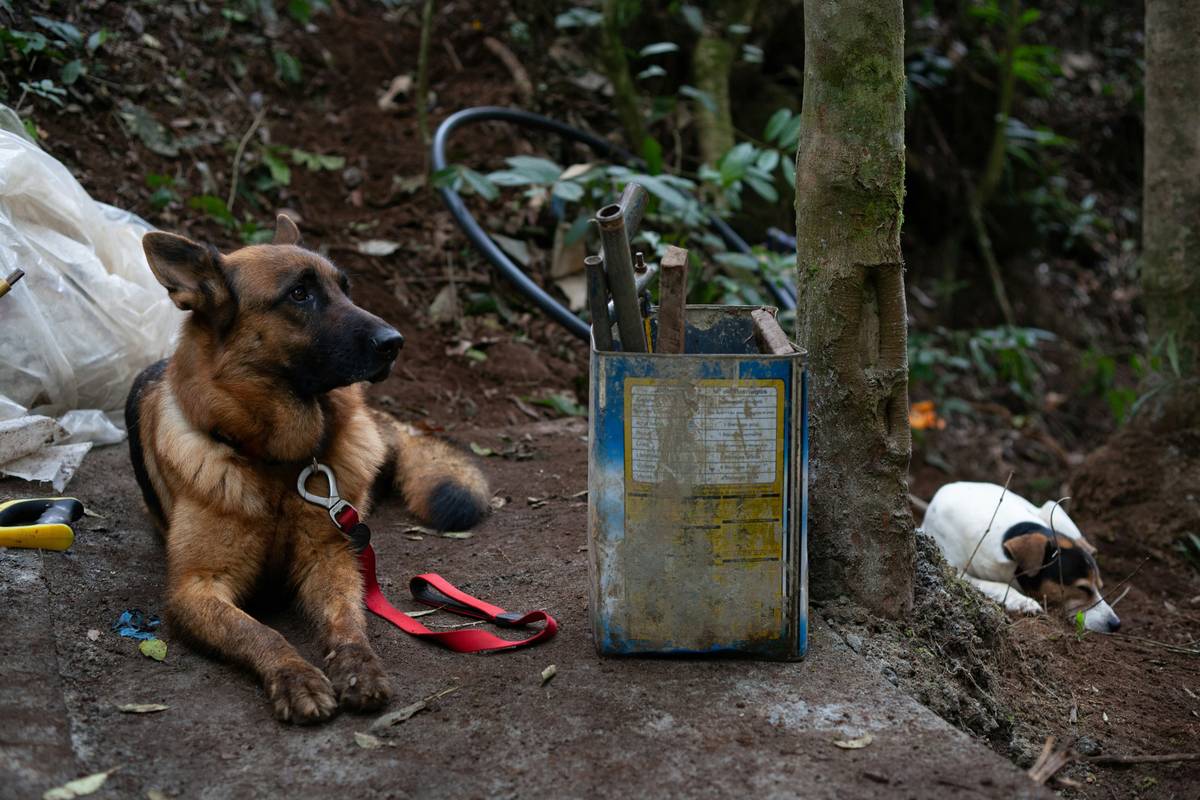
Confession time: I once skipped foundational exercises thinking my service dog was “ready” after a few weeks of casual practice. Spoiler alert—it didn’t go well. My German Shepherd would bark uncontrollably whenever someone walked by instead of staying focused on his retrieval tasks. Trust me, consistency is key here.
Step-by-Step Guide to Building Task Proficiency
Optimist You: *“This is going to be easy!”*
Grumpy You: *“Ugh, fine—but only if coffee’s involved.”*
Let’s break down how to build service animal task proficiency step by step:
Step 1: Assess Your Animal’s Strengths and Weaknesses
Every service animal has unique traits. Some excel at retrieving objects, while others are great at guiding. Start by evaluating where your animal naturally shines.
Step 2: Break Tasks Into Smaller Components
Big tasks can be overwhelming. For example, teaching a dog to open doors might include steps like approaching the handle, grabbing it, and pulling.
Step 3: Incorporate Positive Reinforcement Creatively
Reward systems aren’t limited to treats. Try clicks, praise, or toys—whatever motivates your animal most!
Step 4: Gradually Increase Difficulty Levels
Once your animal masters the basics, add distractions (like loud noises) to simulate real-world conditions.
Step 5: Be Consistent Across All Sessions
Consistency breeds familiarity. Use the same commands, cues, and routines each session.
Tips & Best Practices for Training Success
- Treat Every Mistake as a Learning Opportunity
Instead of punishing failure, analyze what went wrong and adjust accordingly. - Create a Distraction-Free Environment for Early Training
Start indoors before moving to busier settings. - Prioritize Bonding Outside of Training
A strong bond fosters mutual respect and motivation. - Monitor Progress Regularly
Track achievements weekly to celebrate small wins.
Terrible Tip Alert: Trying to teach multiple complex tasks simultaneously? Yeah, don’t do that. It’s a recipe for confusion—for both you AND your animal.
Real-Life Examples of Successful Task Proficiency Training
Meet Luna, a Labrador who struggled with fetching medications until her handler implemented creative strategies. Instead of using generic treats, Luna received her favorite squeaky toy upon completion. Within three months, she mastered the task flawlessly—even amidst household chaos.
Another case involves Max, a Golden Retriever trained for mobility support. Initially shy around strangers, consistent socialization paired with advanced obedience drills transformed him into a dependable assistant.
Frequently Asked Questions About Service Animal Task Proficiency
How Long Does It Take to Train Service Animals?
Training duration varies based on individual needs but typically lasts between 6 months to 2 years.
Can Any Dog Become a Service Animal?
While most dogs can learn basic obedience, temperament and health factors determine suitability.
What Is the Most Challenging Task to Teach?
Skill complexity depends on the breed, but advanced tasks like detecting medical alerts often require extensive practice.
Conclusion
Achieving service animal task proficiency may seem daunting, but armed with patience and proper techniques, success is within reach. Remember, every setback is another chance to grow together. So grab that leash, put on your grumpy yet optimistic hat, and give your animal the gift of confidence through skill mastery.
(And if you’re still reading this far, treat yourself—and maybe even your pup—to something special today.)
Bonus Haiku: Four paws, steady heart,
Guide us through life’s twists and turns,
Task mastery earned.