Table of Contents
Introduction
Ever been in a public place, and your service dog decides to bark at the most inappropriate moment? Yeah, we’ve all been there. But don’t worry; you’re not alone, and there’s a solution. In this post, you’ll learn everything you need to know about improving your service dog public conduct. From understanding the challenges to practical training tips, we’ve got you covered.
This post will cover:
- The importance of good public conduct for service dogs
- A step-by-step guide to training your service dog
- Best practices and tips for optimal results
- Real-world examples and case studies
- Common FAQs and their answers
Key Takeaways
- Good service dog public conduct is crucial for both the handler and the public.
- Training your service dog requires consistency, patience, and positive reinforcement.
- Regular practice in public settings can help improve your dog’s behavior.
- Understanding common triggers and addressing them can prevent unwanted behaviors.
- Seeking professional assistance can provide additional support and guidance.
Problem/Background
Service dogs are more than just pets; they are essential companions that provide vital support to individuals with disabilities. However, when a service dog misbehaves in public, it can be embarrassing and disruptive. Imagine being in a crowded restaurant, and your service dog starts barking or jumping on people. Not only does this draw unwanted attention, but it can also make the situation uncomfortable for everyone involved.
Understanding the importance of service dog public conduct is the first step toward ensuring a positive and helpful experience for both the handler and the public. A well-behaved service dog can make a significant difference in the quality of life for its handler, and it also helps to maintain a good reputation for all service dogs and their handlers.

Step-by-Step Guide: Training Your Service Dog for Public Conduct
Training a service dog for public conduct requires a structured approach. Here’s a step-by-step guide to get you started:
Step 1: Basic Obedience Training
Before diving into public conduct, ensure your dog has a solid foundation in basic obedience commands like sit, stay, come, and heel. This will make advanced training easier and more effective.
Step 2: Socialization in Controlled Environments
Start by exposing your dog to new environments and stimuli in controlled settings. This could be a quiet park, a pet store, or a friend’s house. Gradually increase the complexity of the environment as your dog becomes more comfortable.
Step 3: Public Training Sessions
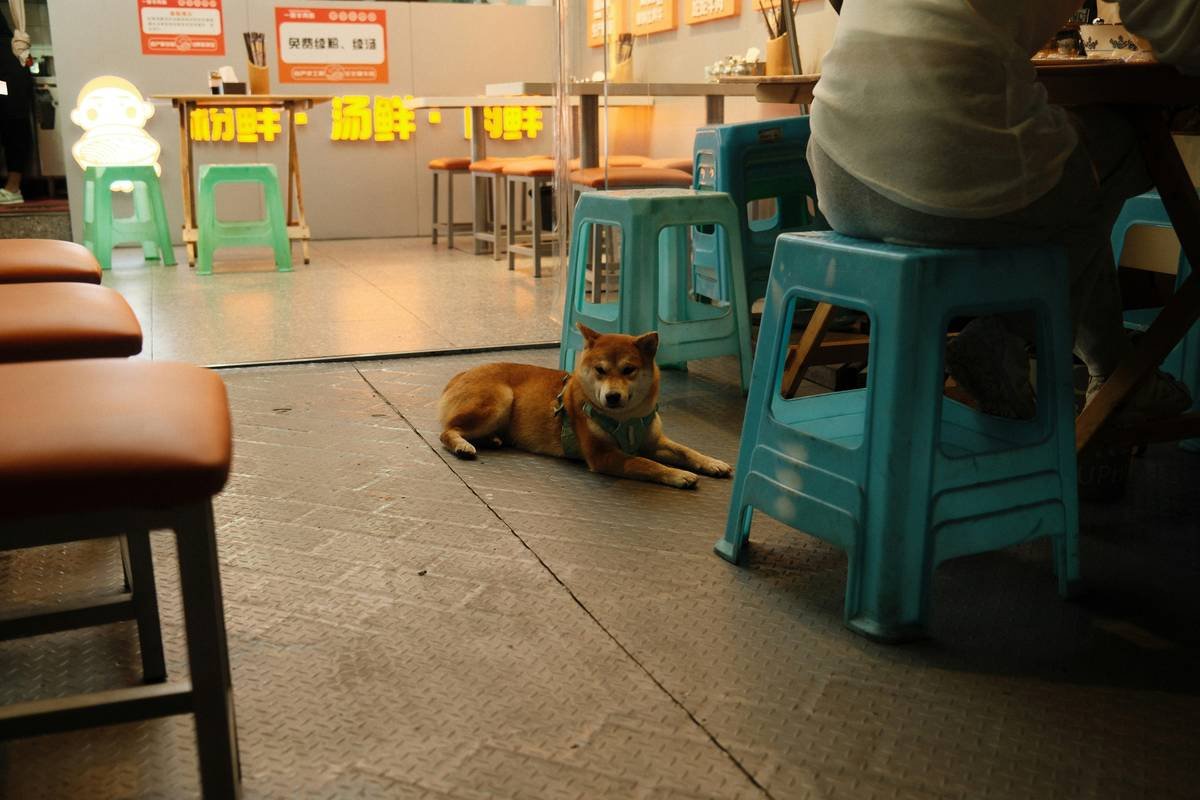
Once your dog is comfortable in controlled environments, start taking them to public places like malls, restaurants, and public transport. Begin with less busy times and gradually build up to peak hours.
Step 4: Addressing Triggers and Distractions
Identify what triggers your dog (e.g., loud noises, other animals) and work on desensitizing them. Use positive reinforcement to reward calm behavior and redirect their attention when necessary.
Step 5: Practice, Practice, Practice
Consistency is key. Regularly practice in various public settings to reinforce good behavior and build confidence. Consistent training will help your dog become more reliable and predictable.
Tips/Best Practices for Service Dog Public Conduct
Here are some best practices to keep in mind while training your service dog for public conduct:
- Use positive reinforcement techniques like treats, praise, and play to encourage good behavior.
- Be patient and consistent with your training. Progress can be slow, but it’s worth the effort.
- Always carry identification and registration documents for your service dog to avoid any issues in public spaces.
- Stay calm and composed if your dog misbehaves. Getting frustrated can make the situation worse.
- Seek professional help if you’re struggling. A certified trainer can provide valuable insights and support.
Optimist You: “Follow these tips, and you’ll see a huge improvement!”
Grumpy You: “Ugh, fine—but only if coffee’s involved.”
Examples/Case Studies
Let’s look at a real-world example to see how effective training can improve service dog public conduct.
Case Study: Sarah and Max
Sarah, who has a hearing impairment, struggled with Max, her service dog, barking in public. She followed the steps outlined above and saw a significant improvement. Initially, Max was easily distracted by other dogs and noisy environments. Sarah started with basic obedience training, then gradually introduced Max to different public settings. After a few weeks, Max became more focused and calm, and Sarah felt more confident taking him out.
FAQs
Q: How long does it take to train a service dog for public conduct?
A: The time required can vary, but it typically takes several months to a year of consistent training. Factors like the dog’s age, breed, and individual temperament can influence the timeline.
Q: Can I train my service dog myself, or should I hire a professional?
A: While you can do much of the training yourself, seeking professional help can be beneficial, especially if you encounter specific challenges. A certified trainer can provide expert guidance and tailor the training to your dog’s needs.
Q: What should I do if my service dog misbehaves in public?
A: Stay calm and redirect your dog’s attention. If necessary, remove them from the situation and find a quieter place to regroup. Avoid punishing your dog; instead, use positive reinforcement to encourage better behavior.
Conclusion
Improving your service dog public conduct is a journey that requires patience, consistency, and positive reinforcement. By following the steps outlined in this guide and implementing the best practices, you can help your service dog become a well-behaved and reliable companion in public settings.
Remember, every dog is unique, and progress may take time. Stay committed, and seek professional help if needed. With dedication and effort, you’ll see a significant improvement in your service dog’s public conduct.
Like a Tamagotchi, your service dog’s training needs daily care. Keep at it, and you’ll reap the rewards!
Cherry blossoms bloom,
Dogs learn, humans grow,
Harmony in steps.