Ever felt your heart sink when your service dog got distracted by a passerby’s sandwich during a crucial outing? You’re not alone. Let’s fix that.
Training a service dog for public interaction isn’t just about obedience—it’s about confidence, reliability, and teamwork in real-world chaos. In this guide, you’ll learn why mastering “service dog public interaction” is vital, how to train effectively, advanced tips, and even some fails we’ve faced along the way. Ready? Grab your coffee (or tea)—this one’s packed with actionable advice.
Table of Contents
- Why Does Service Dog Public Interaction Matter?
- Step-by-Step Guide to Training for Public Interaction
- Top Tips for Perfecting Public Behavior
- Real-Life Examples of Successful Service Dogs
- Frequently Asked Questions About Service Dog Training
Key Takeaways
- Public interaction training ensures your service dog performs reliably under distractions.
- Practice in varied environments, starting small and gradually increasing difficulty.
- Consistency and patience are key—training doesn’t happen overnight.
Why Does Service Dog Public Interaction Matter?
“Picture this: It’s your first big outing after months of training. The grocery store is bustling, kids are running around screaming, and BAM—a dropped pizza slice catches your pup’s eye. Game over.”
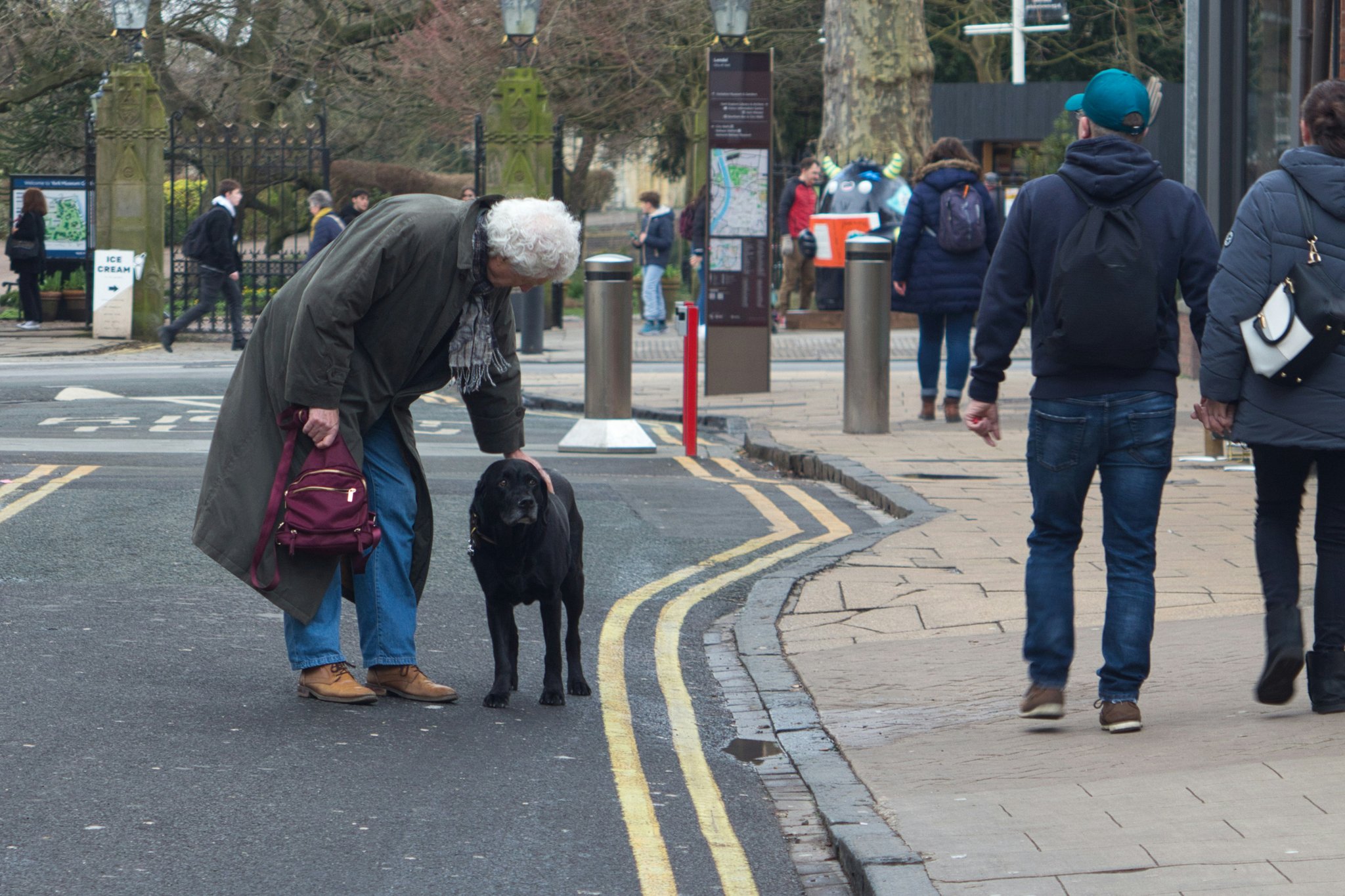
When it comes to service dogs, public interaction isn’t optional; it’s essential. These animals must remain focused no matter what life throws their way—whether that’s loud noises, tempting scents, or overly friendly strangers. Without proper training, even the most well-behaved dog might buckle under stress.
Rant Alert: Nothing grinds my gears more than seeing untrained dogs labeled as “service animals.” This undermines actual service dog handlers who rely on these partnerships daily. We owe them—and our future selves—the respect of thorough preparation.
Step-by-Step Guide to Training for Public Interaction
Step 1: Start Small and Build Confidence
Optimist You: *”Let’s dive right into shopping malls!”*
Grumpy You: *”Ugh, no. Start slow.”*
Begin in low-distraction settings like quiet parks or empty parking lots. Practice basic commands such as sit, stay, heel, and leave it. Reward calm behavior generously with treats or praise.
Step 2: Introduce Controlled Distractions
Once basics are solid, up the ante. Invite friends to simulate crowds, add noise using Bluetooth speakers, or scatter enticing snacks nearby (don’t let Fido eat them!). Gradually increase challenge levels as your dog adapts.
Step 3: Hit the Streets!
Now for the wild zone: cafes, stores, transit stations. Always check local laws before entering certain spaces. Keep sessions short initially so neither you nor your dog gets overwhelmed.
Top Tips for Perfecting Public Behavior
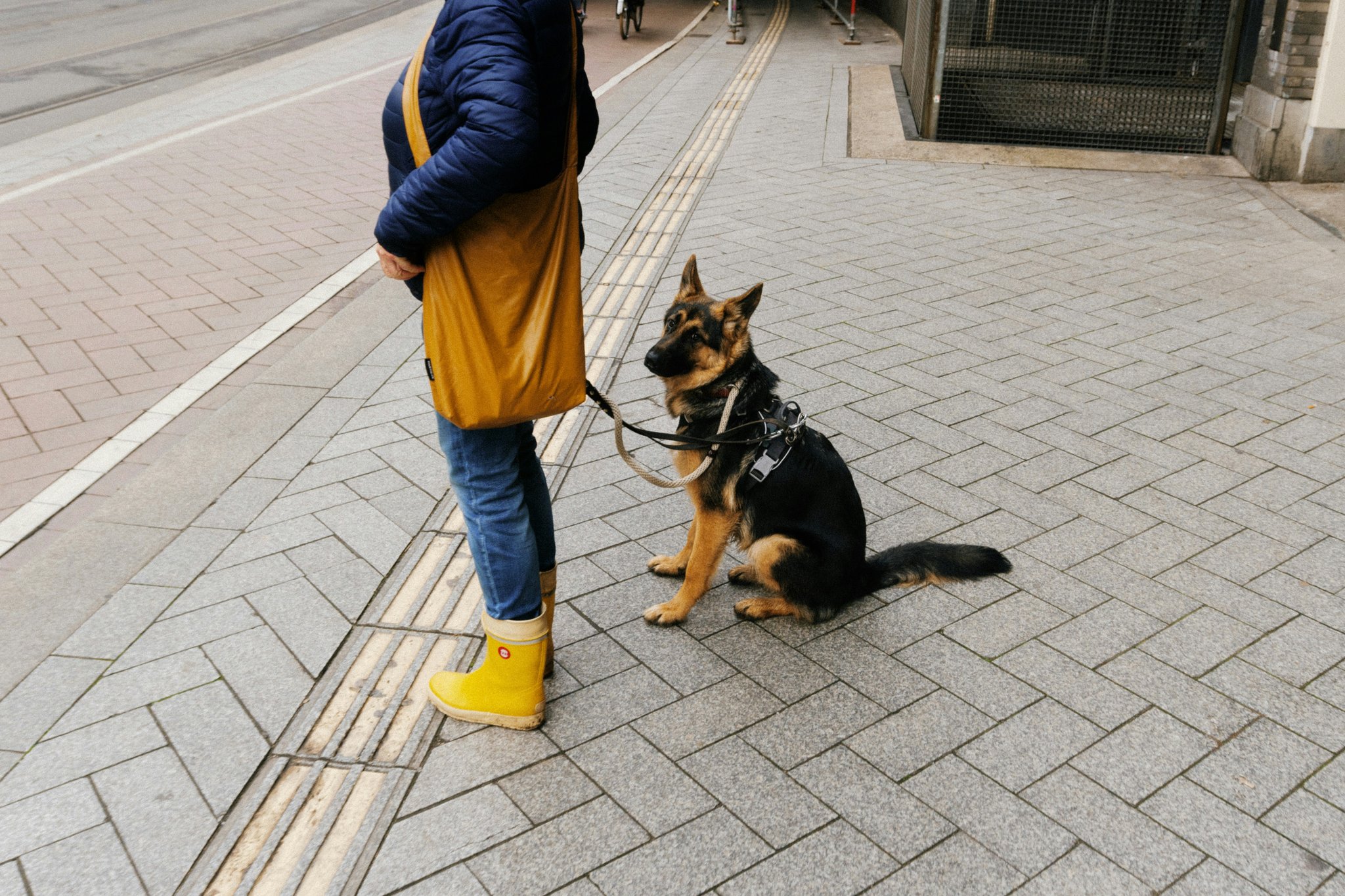
Here’s the raw truth about service dog public interaction:
- Tip #1: Always carry high-value rewards. Use something extra special, like freeze-dried liver, to keep motivation sky-high.
- Tip #2: Be firm but fair. If someone tries petting without permission, politely remind them, “He’s working!” Don’t feel guilty saying no.
- Tip #3: Terrible Tip Alert: Never skip practice. Even if it feels tedious, repetition breeds excellence. Skipping makes both Optimist You AND Grumpy You miserable later.
- Tip #4: Monitor body language closely. A tense leash means your dog may be struggling. Adjust accordingly.
Real-Life Examples of Successful Service Dogs
“I once worked with Remy, a Labrador mix terrified of escalators. After weeks of desensitization using treat trails and slow ascents, he started bounding up those moving stairs like a pro.”
Another handler shared how her Golden Retriever learned to ignore squirrels through consistent backyard drills. The trick? Pairing each ignored distraction with insane amounts of positive reinforcement.
Frequently Asked Questions About Service Dog Training
How long does it take to master service dog public interaction?
Expect anywhere from 6 months to 2 years depending on the dog’s temperament and aptitude.
Can any breed become a service dog?
Yes, though certain breeds excel due to innate traits. However, personality and drive often outweigh purebred status.
What should I do if my service dog misbehaves publicly?
Stay calm, remove him from the situation, and revisit foundational skills. No shame—setbacks happen!
Conclusion
Training your service dog for public interaction takes dedication, sweat, and maybe a few tears—but it’s worth every second. Remember, the bond you build goes beyond mere tasks; it becomes a partnership rooted in trust and mutual support.
So go ahead, grab that leash, embrace the process (coffee in hand), and create unstoppable teamwork together. Because when mastered, ‘service dog public interaction‘ transforms not just your dog but also your quality of life.
Like a Tamagotchi, your SEO needs daily care. And hey, here’s a haiku for ya:
Leash clicks tight,
Crowds fade away—focus reigns.
Service bond forever.