Hook: Have you ever wondered why your service dog doesn’t “get it” when it comes to specialized tasks? You’re not alone—I once spent weeks trying to teach my pup to retrieve meds, only for her to bring me…a sock. Yep. Sock-gate 2023 happened.
If you’re here, chances are you’re looking for clear, actionable advice on training your service dog in specialized tasks effectively. And guess what? You’ve come to the right place! In this guide, we’ll explore what service dog specialized tasks are, how to train them step by step, and insider tips to supercharge your training game.
“But is this even worth reading?” Optimist Me says yes, but Grumpy Me whispers, “Only if coffee’s involved.”
Table of Contents
- Key Takeaways
- Why Service Dog Specialized Tasks Matter
- Step-by-Step Guide to Training Specialized Tasks
- Pro Tips for Mastering Specialized Tasks
- Real-Life Success Stories
- Frequently Asked Questions (FAQs)
- Conclusion
Key Takeaways
- Specialized tasks allow service dogs to assist handlers with specific needs like mobility support or medical alerts.
- Consistency, patience, and positive reinforcement are non-negotiable elements of successful task training.
- Avoid overloading your dog with too many tasks at once—it’s a recipe for stress (and zero progress).
Why Do Service Dog Specialized Tasks Matter?
Let’s talk about the elephant in the room: What exactly *are* service dog specialized tasks? Simply put, these are skills that help individuals manage disabilities. For example, diabetic alert dogs can detect blood sugar fluctuations, while psychiatric service dogs might interrupt panic episodes.
Here’s where things get frustratingly real. Without proper training, your dog may struggle to perform consistently—or worse, develop bad habits. Ever tried correcting a Labrador who decided fetching slippers was more important than retrieving medication? It’s an ungodly battle of wills.
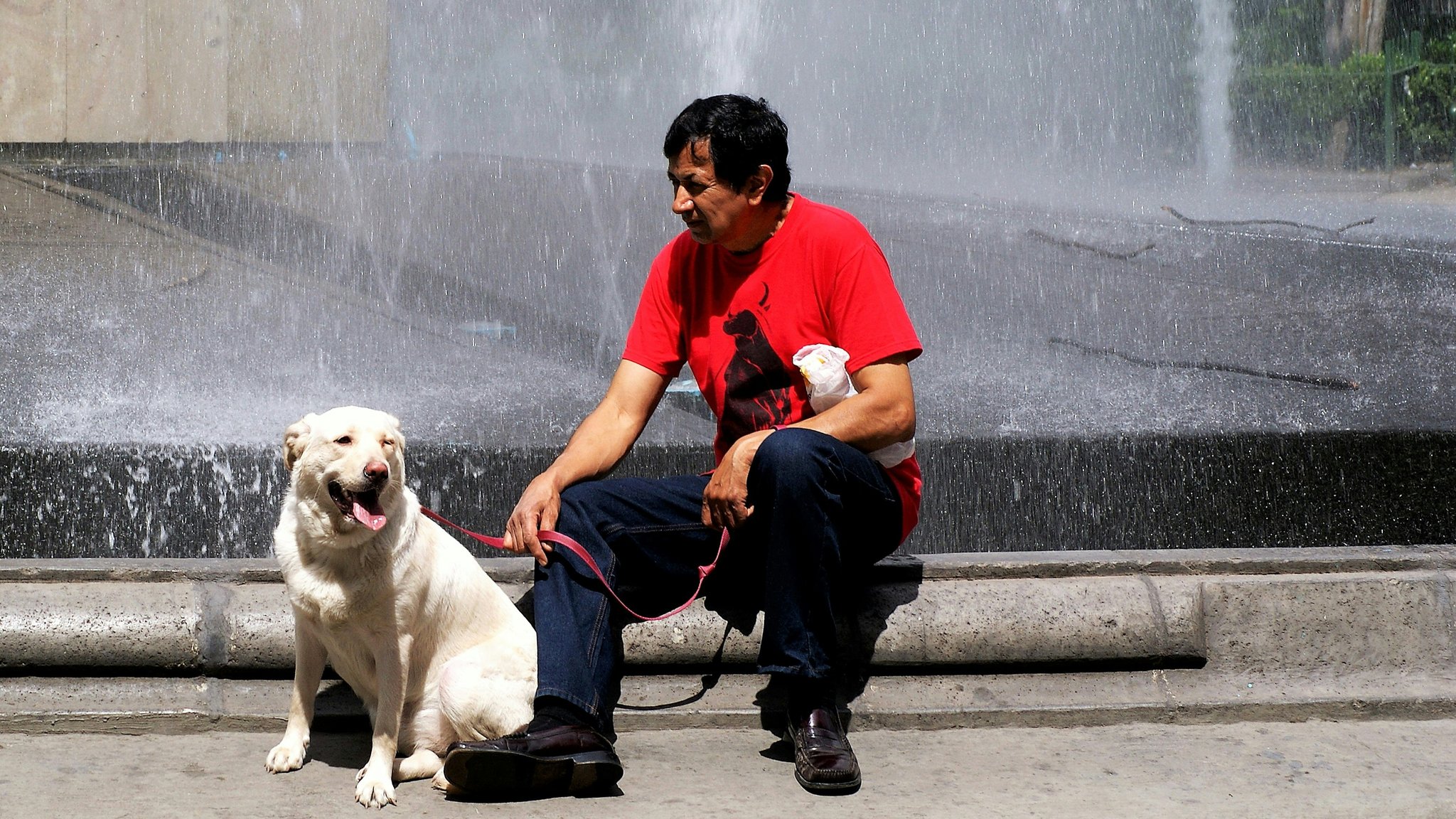
Training your dog in specialized tasks isn’t just about obedience—it’s about trust. When done right, these trained behaviors become lifelines for people living with chronic illnesses or disabilities.
A Step-by-Step Guide to Training Your Dog in Specialized Tasks
Now let’s dive into the meaty part—how do you actually train those oh-so-crucial specialized tasks? Buckle up; I’m sharing a foolproof roadmap.
Step 1: Identify the Task That Fits Your Needs
First, figure out which specialized task aligns with your handler’s requirements. Is it deep-pressure therapy during anxiety attacks? Or perhaps guiding someone through crowded spaces safely? Each task requires different cues and commands.
Step 2: Break Down the Behavior
Dogs aren’t born knowing how to nudge open doors or tug zippers down. Simplify the end goal into bite-sized steps (pun intended). For instance, if the task is object retrieval:
- Teach “touch” using a target stick.
- Add distance between your dog and the item.
- Introduce verbal cue (“Fetch!”) and reward accurate responses.
Step 3: Practice Makes Perfect
Repetition is king—but don’t turn practice sessions into marathons. Keep each session short (5–10 minutes), engaging, and upbeat. Dogs learn best when they associate effort with fun rewards!
Tips for Mastering Service Dog Specialized Tasks
Time for some golden nuggets straight from my trial-and-error adventures:
- Use High-Value Rewards: Not all treats are created equal. Find something irresistible—like freeze-dried liver—to keep motivation sky-high.
- Prioritize Patience: Dogs won’t master complex tasks overnight. Celebrate small wins along the way.
- Keep Training Contextual: If a dog learns to retrieve meds in your kitchen, add distractions gradually so they generalize the behavior elsewhere.
Rant Alert: Please stop micromanaging every move your dog makes. Over-correcting creates confusion and frustration for everyone involved. Instead, focus on building confidence—one tiny success at a time.
Case Study: From Couch Potato to Service Superstar
I met Sarah last year—a mom battling PTSD—and her dog Max, whose sole ambition seemed to be sleeping his life away. But after consistent training in tactile stimulation (nudging against her leg during flashbacks), Max transformed into her emotional anchor. Sarah now credits him with giving her independence back.
Frequently Asked Questions About Service Dog Specialized Tasks
Q: How long does it take to train a service dog in specialized tasks?
A: It depends on the complexity of the task and the individual dog’s aptitude. Generally, expect anywhere from six months to two years.
Q: Can any breed become a service dog?
A: While breeds like Golden Retrievers and Labradors dominate the field, temperament matters more than breed. As long as a dog has the drive and disposition, they can excel!
Q: What’s one mistake trainers absolutely must avoid?
A: Rushing the process. Slow and steady truly wins the race here.
Conclusion
Congratulations—you made it to the finish line! We covered everything from understanding service dog specialized tasks to mastering the art of effective training. Remember, consistency and a sprinkle of creativity make all the difference.
Oh, and before I forget—here’s a little haiku to brighten your day:
Dog licks hand, loves hard,
Paws press pills across the floor,
Trust blooms, bond grows strong.
Now go forth and conquer that training journey. Your future self—and your service dog—will thank you!