Hook: Ever tried teaching your dog to open a door? Yeah, it’s harder than you think. Now imagine that same pup becoming a lifesaving service animal—worth the effort, right?
What this post will cover: Whether you’re training a service dog for yourself or someone else, mastering “service dog task drills” is non-negotiable. In this article, we’ll explore everything from foundational steps and actionable tips to real-world examples and quirky insights.
You’ll learn:
- The importance of structured task drills.
- A step-by-step breakdown of essential exercises.
- Tips to keep training engaging and effective.
- Real-life success stories to inspire you.
Table of Contents
- Key Takeaways
- Why Service Dog Task Drills Matter
- Step-by-Step Guide to Mastering Drills
- Best Practices for Training Success
- Case Studies: Real Dogs, Real Impact
- FAQs About Service Dog Task Drills
Key Takeaways
- Task drills are repetitive yet crucial for reinforcing skills.
- Consistency and patience are key components of successful training.
- Engaging methods help maintain focus during long drill sessions.
- Service dogs must master tasks under various environmental conditions.
Why Service Dog Task Drills Matter
Optimist You: “Drills build confidence and muscle memory!”
Grumpy You: “Ugh, fine—but only if treats are involved.”
Let me paint a picture. Imagine spending months on leash manners only to watch your dog freeze up at the first sign of chaos in public. It happens more often than trainers admit. Why? Inconsistent training routines (and dare I say, laziness). Task drills bridge theory and reality by simulating scenarios your service dog might face daily.
I once skipped a few weeks of retrieval practice because, honestly, who has time for endless fetch games? Fast-forward two months later—a dropped phone becomes an unsolvable puzzle instead of a quick fix. Lesson learned: consistency trumps complacency every time.
Step-by-Step Guide to Mastering Drills
Step 1: Choose Your First Drill Wisely
Select a basic task like retrieving objects or opening doors. Start simple before diving into multi-step commands.
Step 2: Break Down the Behavior Into Small Parts
Chunking works wonders here. For example, breaking “retrieve my keys” into:
- Recognizing the object (keys).
- Picking it up gently.
- Returning without dropping it.
Step 3: Repetition Is Key
This ain’t rocket science—it’s rote repetition. Think hundreds, not dozens, of iterations. Boring? Sure. But remember that Tamagotchi? Daily care meant survival back then, too.
Step 4: Add Distractions Gradually
Move from quiet rooms to noisy parks slowly. This mimics real-world challenges your dog may encounter as a service animal.
Step 5: Reward Generously
Praise, snacks, belly rubs… whatever floats their boat. Positive reinforcement seals the deal faster than anything else.
Best Practices for Training Success
- Short Sessions: Keep drills between 5–10 minutes each session. Dogs get overwhelmed just like us after binge-watching Netflix.
- Vary Rewards: Mix high-value treats with playtime so rewards don’t feel monotonous.
- Reward Every Attempt: Even attempts signal progress, especially early on.
- Practice Patience: Progress won’t happen overnight. Repeat this mantra if needed: “Good things come to those who wait.”
Case Studies: Real Dogs, Real Impact
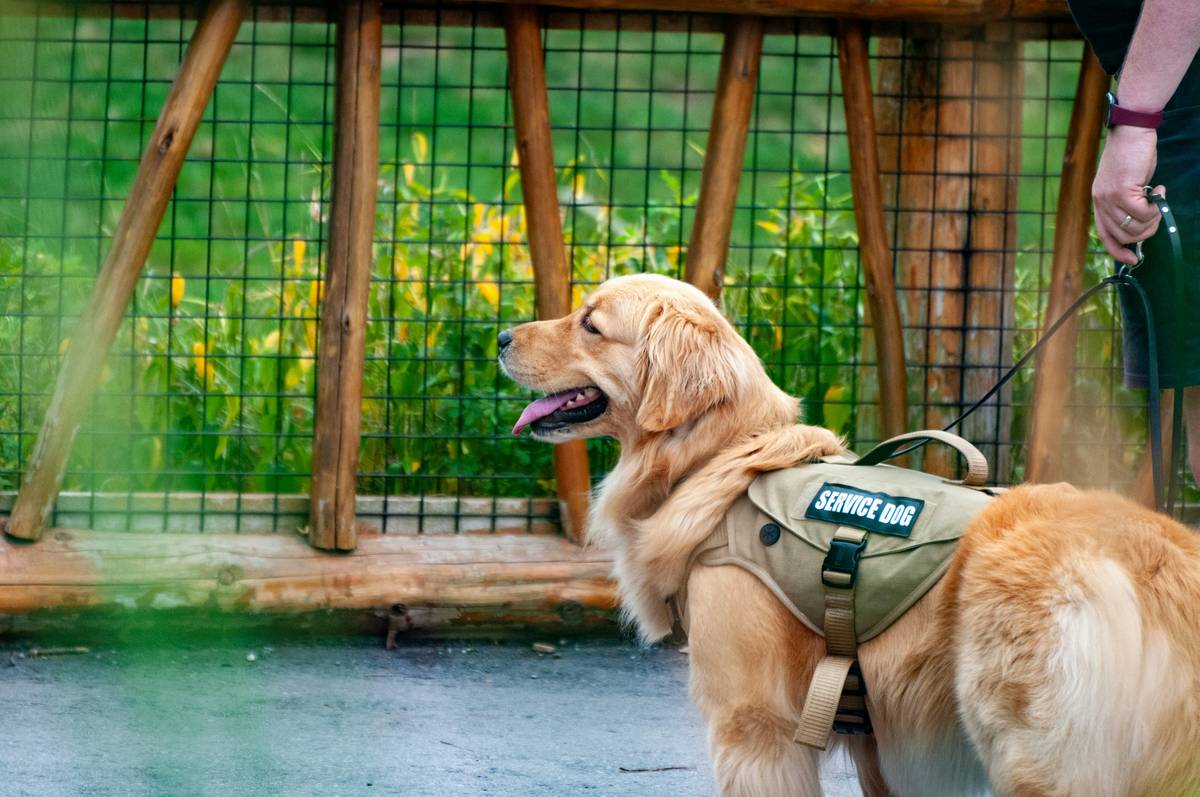
Cue inspirational montage music. Meet Max, a golden retriever trained exclusively via task drills. From picking up fallen wallets to alerting his handler of panic attacks, Max proves that disciplined practice pays off big-time. Handlers report dramatic improvements within just six months using consistent drills.
Sounds like your laptop fan during a 4K render: whirrrr—that’s what hard work sounds like!
FAQs About Service Dog Task Drills
Q: How long should each task drill last?
A: Aim for 5-10 minute sessions followed by breaks. Too much, too soon leads to burnout.
Q: Can one person train multiple dogs simultaneously?
A: Technically yes, but focus suffers. One-on-one yields better results overall.
Q: Are verbal cues necessary during advanced stages?
A: Not always! Visual signals can replace verbal commands depending on individual needs.
Conclusion
From choosing the right drills to celebrating tiny victories along the way, mastering service dog task drills takes dedication, creativity, and plenty of coffee. Keep drilling, stay patient, and let your furry friend shine.
Oh, and one last nugget of wisdom before you go:
Paws tire easily,
But hearts never quit;
Persevere through drills.