Ever wondered how a service dog learns to perform life-changing tasks with precision? You’re not alone. Training a service dog isn’t just about teaching commands—it’s about creating a reliable partnership that can transform lives. But where do you even start? That’s exactly what we’re diving into today.
In this guide, you’ll learn everything about service dog task learning, including step-by-step training methods, actionable tips, and real-world examples of dogs excelling at their jobs. Let’s get started!
Table of Contents
- Why Service Dog Task Learning Matters
- A Step-by-Step Guide to Teaching Your Dog Tasks
- Top Tips for Effective Task Training
- Real-Life Examples of Successful Service Dogs
- Frequently Asked Questions About Service Dog Training
Key Takeaways
- Service dog task learning requires patience, consistency, and the right techniques.
- The process involves breaking down complex tasks into smaller, manageable steps.
- Positive reinforcement is non-negotiable in successful training programs.
- Training should always prioritize safety and comfort for both handler and dog.
Why Service Dog Task Learning Matters
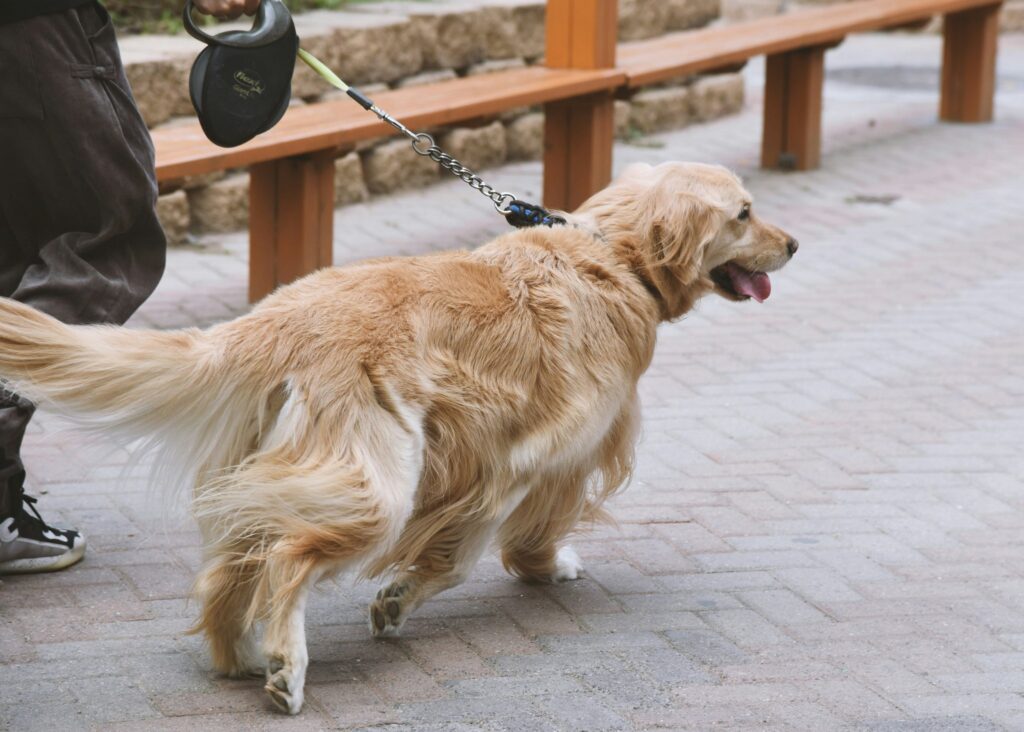
I once thought my golden retriever was ready to fetch medication after three weeks of casual practice. Spoiler alert: He ended up fetching snacks instead. Oops. Turns out, I skipped a few critical steps (and probably relied too much on treats).
Here’s the deal: Without proper service dog task learning, you risk inconsistent behavior from your dog—and potentially putting yourself or others in danger. For instance:
- An improperly trained mobility support dog might misjudge balance assistance.
- A seizure-alert dog who hasn’t learned to signal effectively could miss crucial moments.
And here’s a stat to chew on: Studies estimate that only 30% of self-trained service dogs successfully complete certification. Yikes.
A Step-by-Step Guide to Teaching Your Dog Tasks
Optimist You: “Follow these steps, and your pup will be an expert helper in no time!”
Grumpy You: “Yeah, but don’t forget the coffee—or the patience.”
Step 1: Define the Task Clearly
Start by pinpointing exactly what task your dog needs to learn. Whether it’s retrieving dropped items, opening doors, or alerting during emergencies, clarity is key.
- Break the task into small, logical components.
- Write down each component so you stay organized.
Step 2: Build a Foundation with Basic Obedience
No dog will excel at advanced tasks if they struggle with basics like sit, stay, and come. Nail these first.
Step 3: Introduce Positive Reinforcement
Reward every tiny win—licks included. This could mean treats, praise, or toys. Consistency ensures progress.
Step 4: Progress Gradually & Add Real-World Challenges
Once your dog nails simple tasks at home, test them in busier environments. Cafes, parks, and public transit are great places to practice distractions.
Step 5: Generalize the Skill
Dogs aren’t born knowing how to apply skills everywhere. Train in multiple locations and scenarios until it clicks.
Top Tips for Effective Task Training
Cue *chef’s kiss* for these strategies—they’re dynamite:
- Be Patient: Rome wasn’t built in a day, and neither was a well-trained service dog.
- Keep Sessions Short: Aim for 5–10 minutes per session to avoid burnout.
- Use High-Value Rewards: Think steak over kibble when introducing new tricks.
- Don’t Rush Complexity: Master one piece before adding another layer.
- Troubleshoot Like a Pro: If something doesn’t work, try isolating specific parts of the task.
A Terrible Tip Alert!
One common mistake? People think punishing mistakes helps. Newsflash: It does more harm than good. Stick to positive reinforcement unless you want a confused pupper acting out in frustration.
Real-Life Examples of Successful Service Dogs
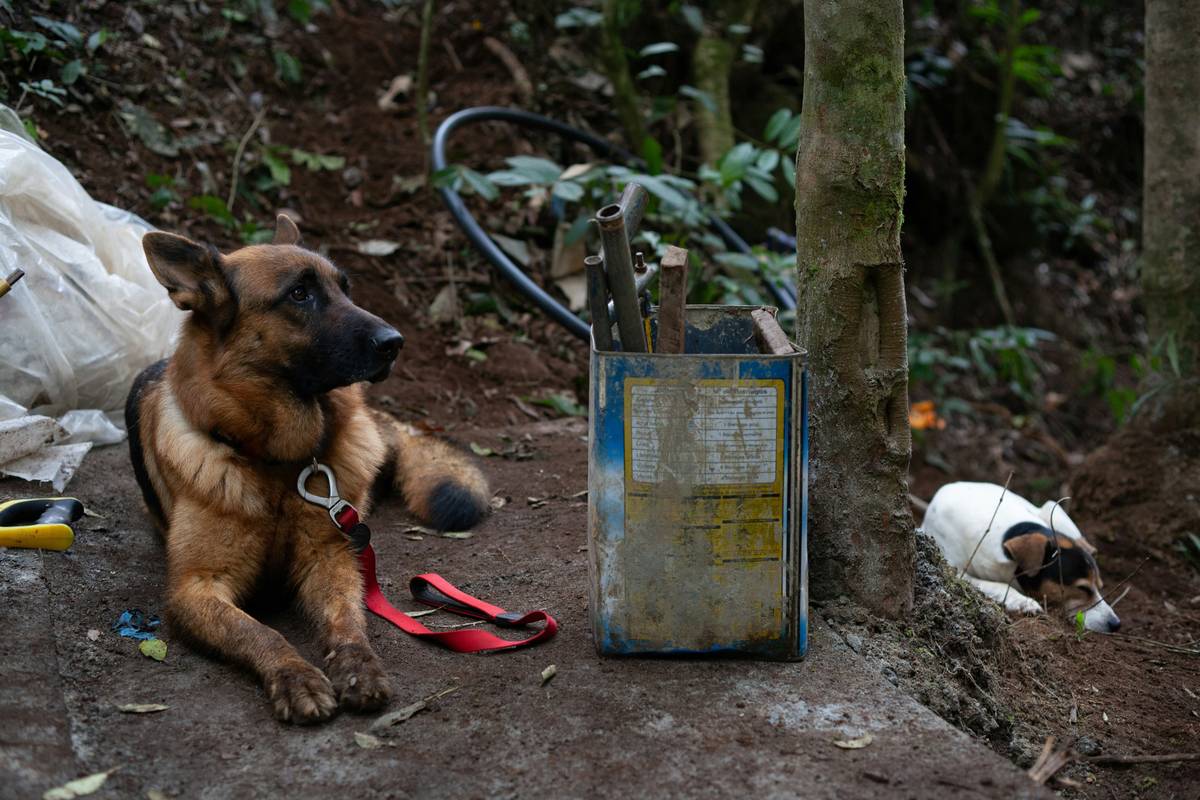
Take Bella, a Labrador Retriever trained as a diabetic alert dog. Her handlers reported that early task-specific training allowed her to detect blood sugar drops faster than any device. Another hero? Max, a German Shepherd who mastered mobility support for a veteran navigating PTSD and physical injuries.
Sounds inspiring, right? These success stories prove dedication pays off.
Frequently Asked Questions About Service Dog Training
How long does it take to train a service dog?
It varies depending on the dog’s temperament and the complexity of tasks, but most trainers recommend 18–24 months for full preparation.
Can any breed become a service dog?
Yes, though some breeds naturally excel due to temperament and trainability (think Labs, Goldens, and Poodles).
Is professional training necessary?
Not strictly, but professionals often bring expertise that speeds up the process significantly.
Conclusion
Training a service dog for task mastery isn’t just rewarding—it’s life-changing. With clear goals, consistent effort, and plenty of rewards, you can build a partnership that supports independence and enhances daily living.
So go ahead. Start small, dream big, and remember: Treats make miracles happen.
“Paws working hard,
Tasks learned with love and care,
Lives change forever.”