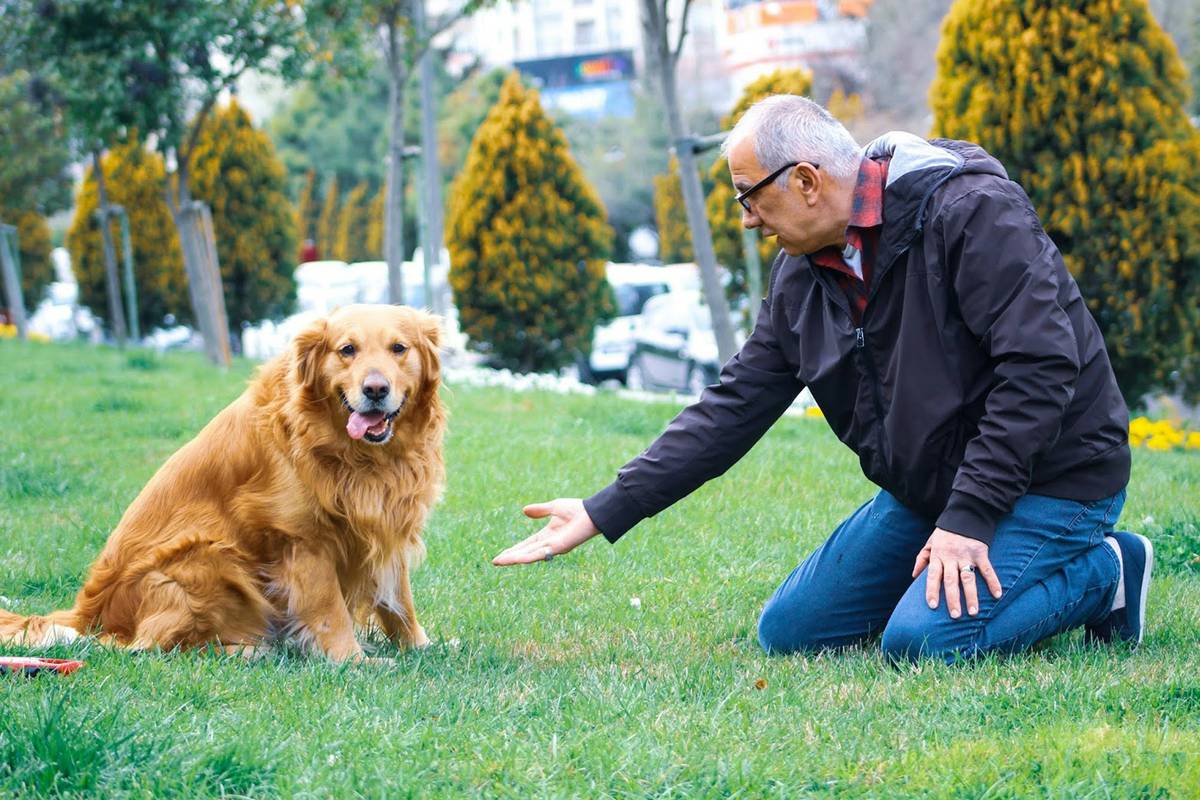
“Ever been stared down in a grocery store because your service animal didn’t ‘look trained’ enough? Yeah, we’ve all been there.”
Raising and training a service animal comes with immense responsibility—and one of the trickiest hurdles is ensuring support animal public compliance. Whether you’re navigating restaurants, airports, or crowded streets, understanding the laws, etiquette, and expectations can make all the difference. In this guide, we’ll break down everything you need to know about staying compliant while keeping your sanity intact.
You’ll learn:
- The importance of public compliance for service animals
- A step-by-step process for training your service animal
- Tips to avoid common pitfalls (and grumpy bystanders)
- Real-world success stories from seasoned handlers
- FAQs about navigating legal gray areas
Table of Contents
- Key Takeaways
- Why Support Animal Public Compliance Matters
- How to Train Your Service Animal for Public Compliance
- Top Tips for Staying Compliant
- Real-Life Examples of Success
- Frequently Asked Questions
- Conclusion
Key Takeaways
Here’s what you should remember:
- Public compliance protects both your rights and the comfort of those around you.
- Training requires consistency, patience, and clear objectives.
- Understanding ADA laws ensures smoother interactions in public spaces.
- Ignoring non-verbal cues can lead to awkward encounters—so practice situational awareness.
Why Support Animal Public Compliance Matters

Let’s start with some perspective: Did you know that over 500,000 service dogs assist individuals in the U.S. alone? Now imagine half of them behaving unpredictably in public. Chaos, right?
Support animal public compliance isn’t just about following rules—it’s about fostering mutual respect. A poorly behaved service animal doesn’t just frustrate business owners; it jeopardizes access rights for other handlers too. I once took my untrained pup into a café before she was fully prepared. She barked incessantly, spooked customers, and got me kicked out. RIP reputation.
The bottom line? If you want your service animal to thrive in public settings, compliance isn’t optional—it’s essential.
How to Train Your Service Animal for Public Compliance

Training a service animal for public compliance involves more than “sit” and “stay.” Here’s how to do it right:
Step 1: Build Basic Obedience Skills
No shortcuts here. Start with foundational commands like “heel,” “sit,” “down,” and “leave it.” These form the backbone of every advanced skill.
Step 2: Introduce Distractions Gradually
Train in increasingly chaotic environments—from quiet rooms to bustling parks. This prep mimics real-world scenarios and builds resilience against distractions.
Step 3: Socialize with Other People and Animals
Socialization prevents reactive behavior. Get your dog comfortable meeting strangers, interacting with kids, and ignoring squirrels.
Step 4: Practice Task-Specific Training
Tailor exercises to your specific needs. For example, if your dog assists with mobility tasks, rehearse retrieving dropped items or opening doors.
Step 5: Test Public Readiness
Optimist You: *“It’s time to hit the mall!”*
Grumpy You: *“Ugh, fine—but only if coffee’s involved.”*
Take small, structured outings to gauge readiness. Bring treats, keep sessions short, and celebrate progress.
Top Tips for Staying Compliant

- Know the Law: Familiarize yourself with the Americans with Disabilities Act (ADA). It defines where and how service animals are allowed.
- Document Everything: While IDs aren’t required by law, having proof of training helps ease tensions in sticky situations.
- Maintain Leash Control: Always use a leash unless the task requires otherwise.
- Clean Up After Your Animal: Don’t be “that person.” Carry poop bags everywhere.
- Stay Calm Under Fire: Not everyone will be welcoming. Keep interactions polite but firm.
Real-Life Examples of Success
Meet Sarah, a handler whose service dog Max struggled with crowds initially. By practicing desensitization techniques (like walking near playgrounds), Max learned to stay calm even during fireworks displays. Today, they navigate concerts and sporting events without breaking a sweat.
Another handler, James, emphasized the power of advocacy. When questioned rudely at an airport, he calmly cited ADA guidelines—and educated staff members on their obligations. His story highlights why knowledge truly is power.
Frequently Asked Questions
Q: Do I need certification for my support animal?
A: No, federal law doesn’t require certification. However, voluntary programs exist for added peace of mind.
Q: Can businesses deny entry to my service animal?
A: Only under extreme circumstances, such as direct threats to health or safety.
Q: What counts as disruptive behavior?
A: Barking excessively, jumping on people, or failing to respond to commands may violate compliance standards.
Conclusion
Navigating support animal public compliance might feel daunting, but it’s entirely achievable with proper training and preparation. Remember: staying informed, consistent, and respectful benefits not just you—but the entire community of handlers.
So go forth, armed with these insights—and channel your inner Tamagotchi trainer. Your future self (and your service animal) will thank you.
Final Haiku:
Leashes tight, hearts open,
Compliance breeds harmony—
Buddy by your side.