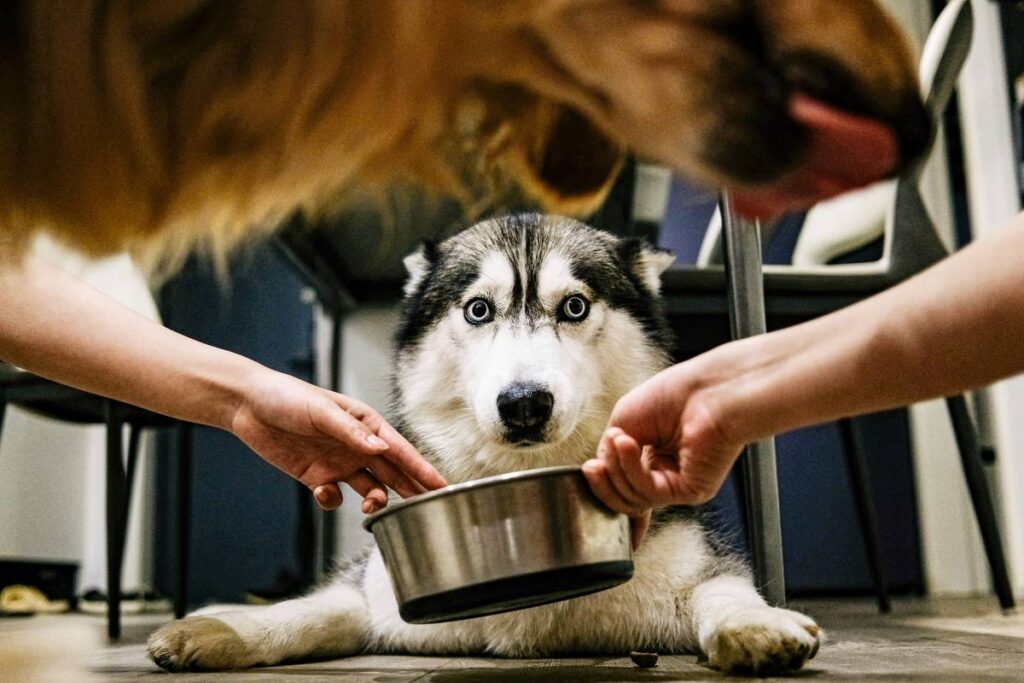
Ever tried navigating a packed subway with your service dog, only to have people pet them without permission? Yeah, we’ve been there too.
In this article, you’ll discover actionable strategies to train your support animal for seamless public interaction while maintaining their focus and calm demeanor. Spoiler alert: It’s easier than you think if you follow these steps!
You’ll learn:
- Why public interaction matters for service animals.
- A step-by-step guide to mastering support animal etiquette in public spaces.
- Tips and best practices from expert trainers.
- Real-world examples of successful support animal training.
Table of Contents
- Why Public Interaction Matters for Service Animals
- Step-by-Step Guide to Support Animal Public Interaction
- Best Practices for Training Your Support Animal
- Examples & Case Studies
- FAQs About Support Animal Public Interaction
Key Takeaways
- Public interaction is critical for ensuring your support animal performs optimally in various environments.
- Consistency, desensitization, and boundaries are the core pillars of effective training.
- Positive reinforcement works wonders—but avoid over-rewarding, as it can backfire.
Why Public Interaction Matters for Service Animals
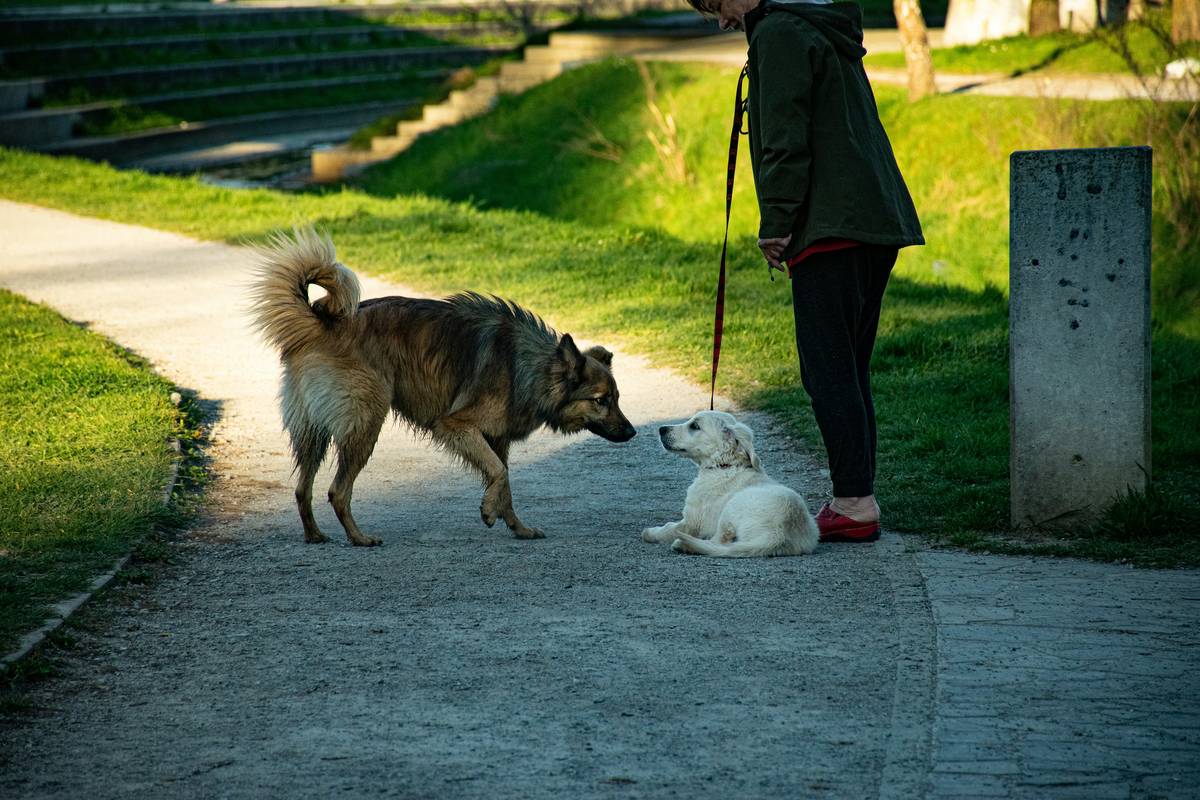
Let me tell you about the time I took my not-yet-trained pup into a crowded mall. *Cue chaos.* Barking, jumping, pulling—like an out-of-control blender on legs.
The reality is that public interaction isn’t just a luxury skill—it’s essential. Without proper preparation:
- Your service animal might lose focus when needed most.
- Unfamiliar noises or crowds could trigger anxiety.
- Handlers may face awkward encounters where strangers ignore basic etiquette (looking at YOU, random hand-petter).
“Optimist You:” “Oh, come on, how bad can it be?”
“Grumpy Me:” “Remember that blender analogy? Yeah, exactly.”
Step-by-Step Guide to Support Animal Public Interaction
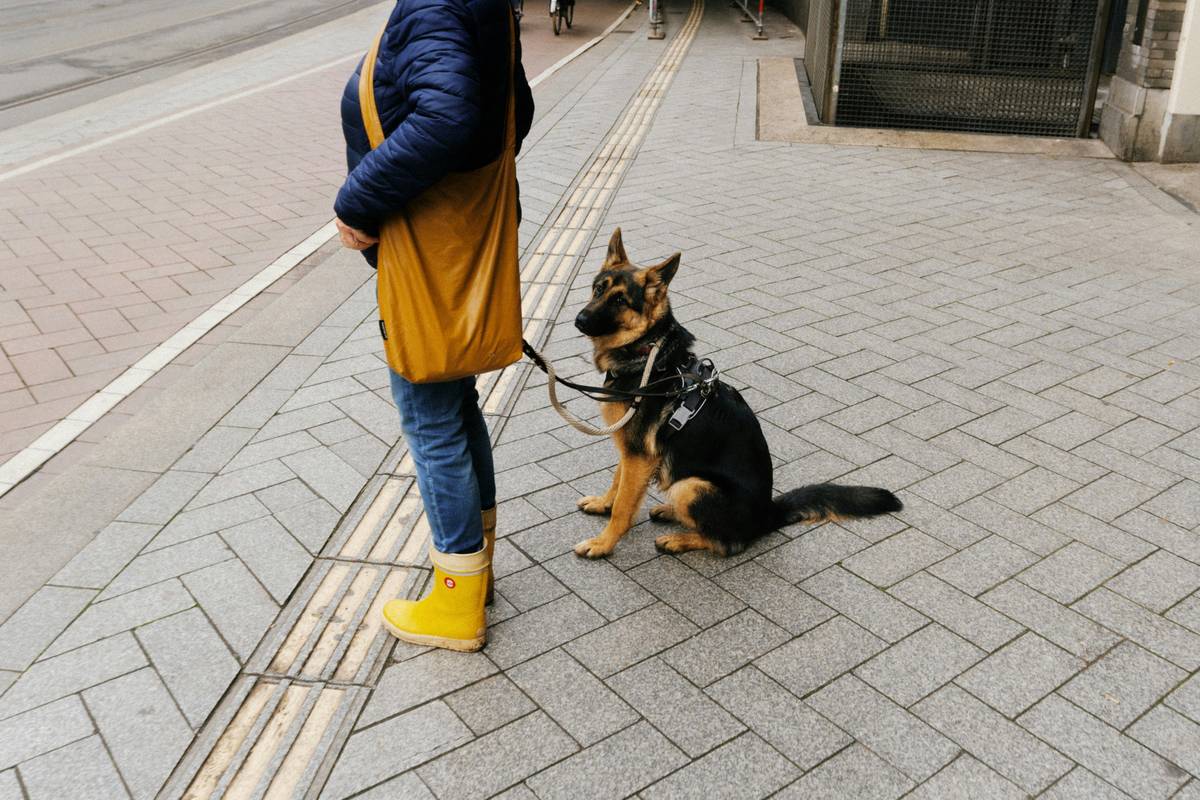
Step 1: Socialization Basics
Start early by exposing your support animal to different sights, sounds, and smells. Think kids screaming, shopping carts rolling, and food aromas wafting through air—they need experience with ALL OF IT.
Step 2: Teach “Ignore Mode”
Use tools like distractions during practice sessions. For example, scatter kibble on the floor and teach your dog to stay focused despite the temptation. Chef’s kiss for drowning out cat videos, right?
Step 3: Practice Real-Life Scenarios
Create mock situations resembling real-life challenges (e.g., bustling streets or noisy cafes). Pro tip: Wear noise-canceling headphones yourself—that way, you won’t miss one whirrrr-inducing detail.
Best Practices for Training Your Support Animal

- Be Consistent: Stick to routines; inconsistency confuses everyone—even humans.
- Set Boundaries: Teach your animal NOT to engage unless instructed. No cuddles on demand!
- Reward Wisely: Positive reinforcement rocks, but don’t go overboard. One treat per task max.
- Add Variety: Mix up environments and scenarios. Monotony bores even the smartest pups.
Terrible Tip: Someone once told me to “just wing it.” Don’t do that. Ever.
Examples & Case Studies
Example 1: From Chaos to Calmness
Lena struggled with her golden retriever’s reactive behavior in grocery stores. After six weeks of structured training (including simulated aisle drills), her dog became the epitome of calm professionalism. Proof? He slept through a toddler tantrum next to him.
Case Study: Service Dog Saves the Day
A visually impaired client trained her labrador to handle chaotic airport terminals. Despite constant movement and loud announcements, the dog remained rock-solid. Talk about chef’s-kiss dedication!
FAQs About Support Animal Public Interaction
Q1: Can any breed become a well-behaved support animal?
Absolutely. While temperament plays a role, patience and consistency matter more than breed type.
Q2: How long does it take to train a service animal?
Typically around 1–2 years, depending on the complexity of tasks required.
Q3: What should I do if someone tries to pet my working dog?
Promptly inform them, “Please don’t distract my working partner.” Be polite but firm—don’t feel guilty advocating for your animal’s needs.
Conclusion
Support animal public interaction is no walk in the park—but it’s absolutely achievable with the right approach. Remember:
- Socialize, socialize, socialize!
- Practice real-world scenarios.
- Educate others to respect your animal’s role.
If you’re ready to transform your support animal into a public superstar, start implementing these tips today.
And remember, like a Tamagotchi, your training efforts require daily care. 🐶💫