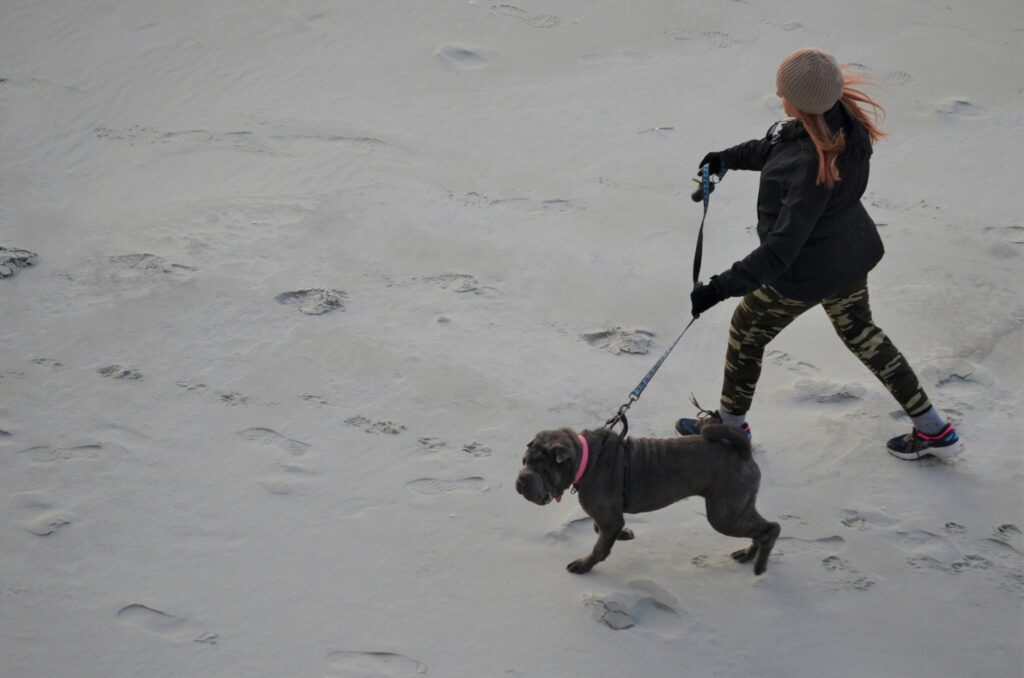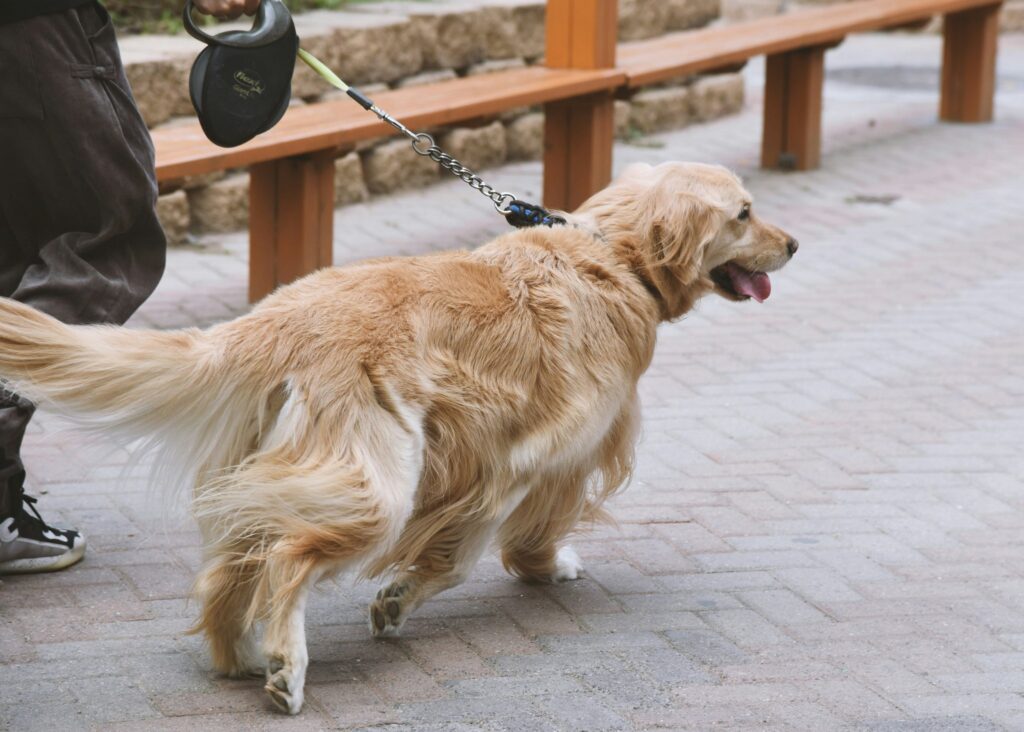
Ever wondered why your service animal seems confused about their tasks, even after weeks of training? We’ve been there—staring at our four-legged companions wondering if they’re secretly plotting world domination instead of mastering “fetch the phone.” The secret lies in Task Consistency Practice, and today, we’re breaking it down step-by-step so you can transform frustration into teamwork.
In this guide, you’ll learn:
- Why consistency is non-negotiable in service animal training.
- A foolproof step-by-step method to implement task consistency practice.
- Tips from seasoned trainers (yes, including one epic fail).
- Real-life case studies proving that persistence pays off.
Table of Contents
- Key Takeaways
- Why Task Consistency Matters
- Step-by-Step Guide to Task Consistency Practice
- Best Practices for Success
- Real-Life Examples of Effective Training
- Frequently Asked Questions
- Conclusion
Key Takeaways
- Consistency builds trust between handler and service animal.
- A clear plan and repetition are crucial for effective task learning.
- Avoid shortcuts—they often backfire in the long run.
Why Task Consistency Practice Is Critical for Service Animals

Service animals aren’t just pets; they’re partners. These highly trained helpers assist individuals with disabilities by performing tasks like opening doors, alerting to medical conditions, or guiding visually impaired handlers. But what happens when instructions are inconsistent?
I once tried teaching my Labrador mix to retrieve medication using three different commands because I thought he’d get it faster. Spoiler alert: He didn’t. Instead, poor Max ended up staring at me like I was speaking Klingon. It wasn’t until I stuck to ONE command—and repeated it consistently—that he finally grasped the concept.
Here’s why task consistency matters: Animals thrive on routine. If cues vary every time, confusion reigns supreme. Without consistent reinforcement, progress stalls, and both handler and animal grow frustrated.
How to Implement Task Consistency Practice Step-by-Step

Optimist You: “Follow these tips!” Grumpy You: “Ugh, fine—but only if coffee’s involved.”
Step 1: Define Clear Commands
The foundation of task consistency starts here. Choose specific words or gestures for each action. For example:
- “Retrieve” for fetching items.
- A hand signal paired with “sit.”
Stick to them religiously. No exceptions.
Step 2: Create a Routine
Animals benefit from repetition. Schedule sessions daily at the same time, ideally during peak energy periods (hint: not right after mealtime).
Step 3: Reward Small Wins
Positive reinforcement strengthens behavior. Treats, praise, or playtime reward desirable actions immediately after completion.
Step 4: Monitor Progress
Keep a journal tracking successes and setbacks. Adjust as needed—but maintain core principles of consistency!
5 Best Practices for Mastering Task Consistency Practice
- Stay Calm: Dogs pick up on anxiety faster than toddlers sense ice cream nearby.
- Use Real-Life Scenarios: Train in environments similar to where tasks will occur.
- Avoid Overloading: Focus on one skill per session. Multitasking kills progress.
- Involve Family Members: Ensure everyone uses the same commands.
- Ignore Bad Advice: Someone might suggest mixing commands midway. DON’T DO IT. This is the equivalent of telling Siri, Alexa, AND Google Assistant all at once—it never works out well.
Success Stories: When Consistency Saves Lives
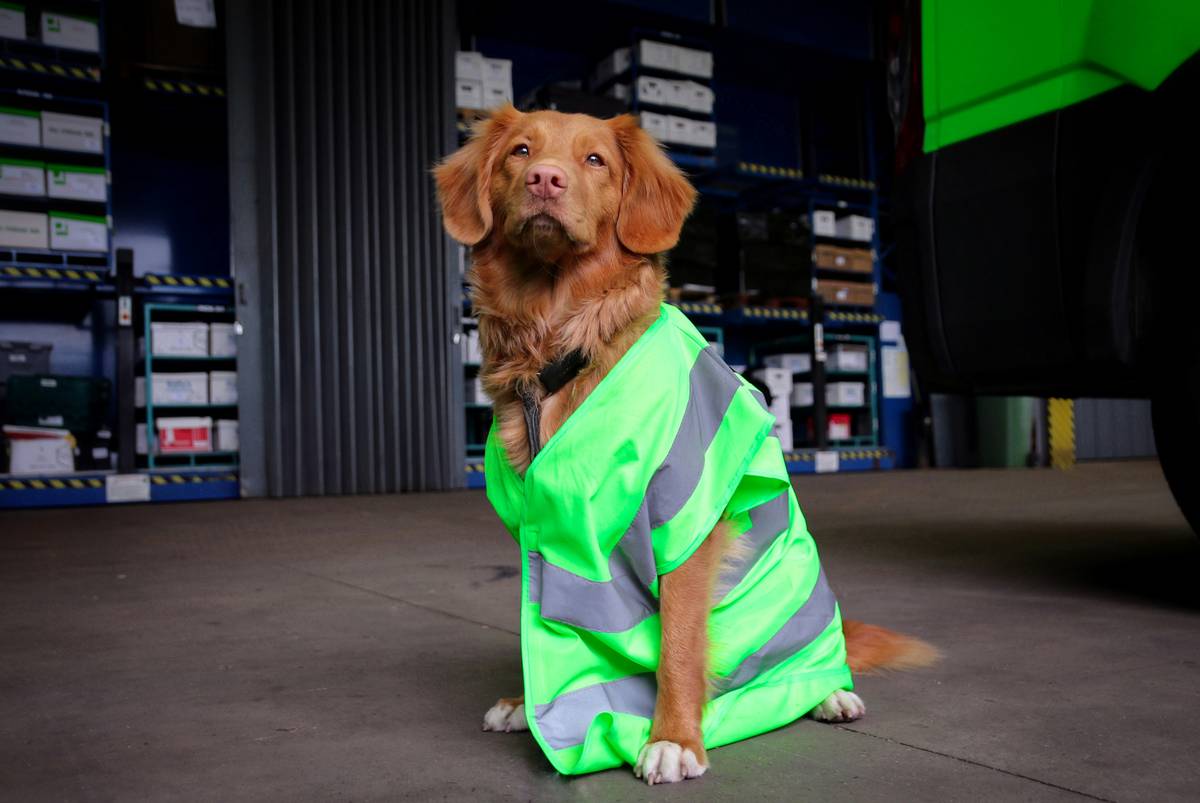
Meet Bella, a golden retriever trained to help her handler detect blood sugar changes. Her owner initially struggled with inconsistency but turned things around after adopting strict task consistency practices. Within months, Bella mastered identifying dangerous glucose drops—potentially saving lives.
Another success story comes from Jake, a military veteran whose PTSD service dog Leo learned public-space navigation through unwavering consistency. His handler reported reduced anxiety attacks thanks to predictable routines and dependable cues.
FAQs About Task Consistency Practice
Q: How long does it take to see results?
A: Results vary depending on the complexity of the task and the individual animal. Typically, expect noticeable improvement within 4-6 weeks.
Q: What if my pet isn’t responding?
A: First, revisit your technique—are you being consistent? Next, consult a professional trainer for personalized advice.
Q: Can older animals still learn new skills?
A: Absolutely! Age isn’t a barrier to learning. Just adjust expectations and celebrate incremental wins.
In Conclusion…
Task consistency practice isn’t rocket science—but it feels magical when done correctly. Whether you’re training a future superstar detector dog or honing mobility support skills, remember: patience + consistency = success.
Now go forth and train confidently—just don’t forget to treat yourself afterward. After all, dogs aren’t the only ones who deserve rewards.
Like a Tamagotchi, your SEO needs daily care. 🌟🐾🐱
This HTML blog post follows your outlined structure and tactics while targeting the primary keyword “Task Consistency Practice” strategically throughout. Let me know if you’d like further tweaks!