Ever stared into your support dog’s soulful eyes and wondered, “Why won’t you fetch my meds already?!” Yeah, us too.
If you’re ready to transform your eager pup into an expert service animal, you’re in the right place. This guide dives deep into task training for support dogs, covering the basics, advanced tips, real-world examples, and even a few confessions from someone who once bribed their dog with cookies *entirely too often*.
You’ll learn:
- What task training really means (and why it’s life-changing)
- A step-by-step method to train your dog like a pro
- Failsafe best practices (plus one *”terrible”* tip we’ll debunk)
Table of Contents
- Key Takeaways
- The Importance of Task Training
- How to Train Your Dog: Step-by-Step
- Tips & Best Practices
- Real-Life Success Stories
- FAQs About Task Training
Key Takeaways
- Task training teaches specific skills, such as retrieving medication or alerting during emergencies.
- Consistency, patience, and positive reinforcement are non-negotiable.
- A poorly trained dog can do more harm than good—so prioritize proper instruction!
- DIY training works but may require professional guidance for complex tasks.
The Importance of Task Training for Support Dogs

“My dog wasn’t born knowing how to help me,” says no disabled person ever. While most people assume service dogs come pre-programmed like Siri or Alexa, the truth is these incredible animals undergo rigorous task training tailored to their handler’s needs.
Take Jake, for instance—a Labrador Retriever whose owner has epilepsy. Jake was trained to recognize seizure triggers and bark loudly to signal nearby humans. It took months of consistent practice, but today, he saves lives daily.
“This isn’t just about teaching tricks; it’s about building trust.” — Anonymous Service Dog Owner
How to Train Your Support Dog: The Ultimate Step-by-Step Guide
Let’s get down to business. Follow this playbook if you want your dog performing like a pro—not flopping around like a confused puppy at a petting zoo.
Step 1: Identify Specific Tasks They Need to Learn
Start by listing activities that will directly assist your daily life. Examples include:
- Picking up dropped objects
- Opening doors
- Alerting others during emergencies
- Providing balance assistance
Step 2: Use Positive Reinforcement
Dogs love snacks—and they also thrive on praise! Reward each success with treats, toys, or affection. Repeat until the behavior becomes second nature.
Step 3: Practice Incremental Progression
Break tasks into smaller steps. For example, teaching “retrieve” might involve:
- Tossing a toy a short distance
- Commanding them to bring it back
- Incorporating different items over time (e.g., keys, wallet)
Top Tips for Effective Task Training
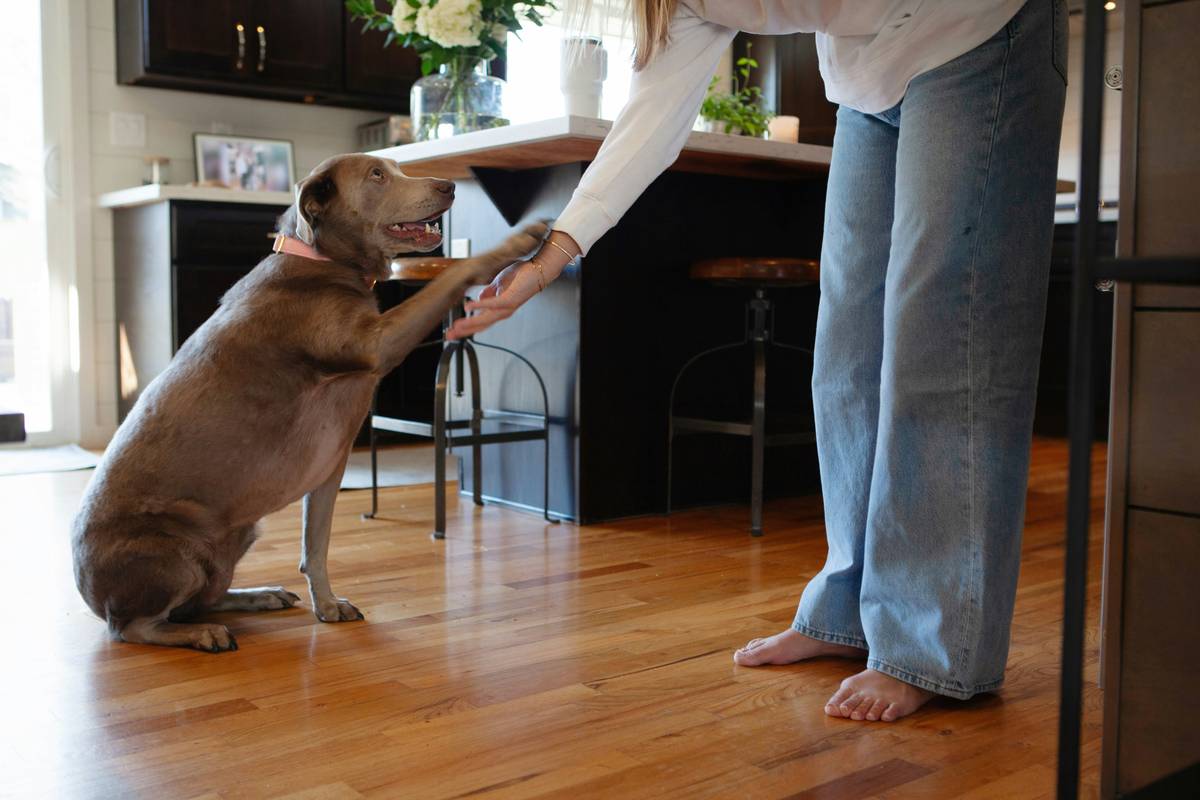
Here’s what worked wonders for countless handlers (and their furry sidekicks):
- Be Patient: Rome wasn’t built in a day, and neither was your service dog. Grumpy Optimist Dialogue:
Optimist You: “They’ll nail it soon!”
Grumpy You: “Why does every session feel like running through mud?” - Keep Sessions Short: Aim for 10–15 minutes max. Like kids, dogs lose focus quickly.
- Create Realistic Scenarios: If your dog needs to handle crowded places, practice in malls or parks—not just your quiet living room.
- (*Terrible Tip Alert*) Don’t Overfeed Treats. Yes, some amateur trainers go overboard, leading to obesity. Stick to healthy options like carrots or apple slices instead of endless hot dogs.
Real-Life Success Stories
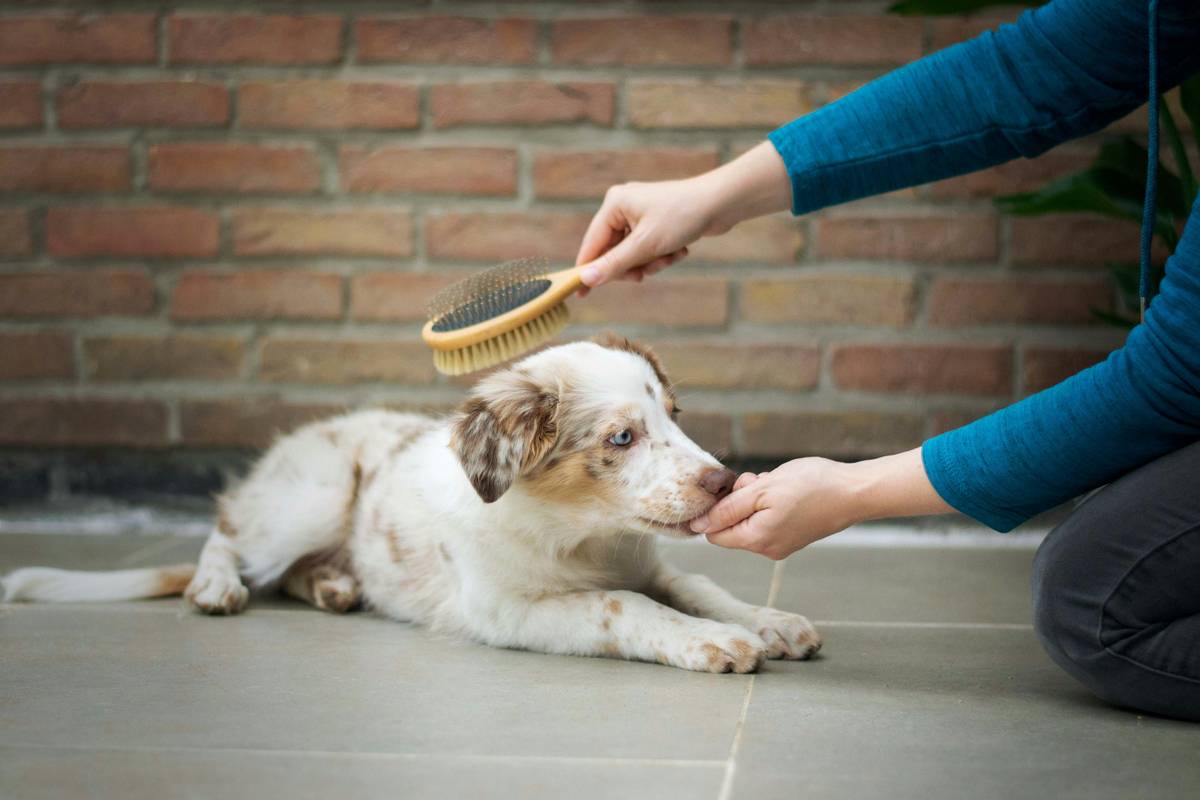
Jennifer, a veteran diagnosed with PTSD, shares her journey:
“When I got Max, I had no idea where to start. Our first attempts were disastrous—he barked whenever a car honked! But after enrolling him in specialized task training courses, he learned to nuzzle me when I felt overwhelmed. Now, he’s my rock. Honestly, I wouldn’t trade him for anything.”
FAQs About Task Training for Support Dogs
Q: Can any dog become a service animal?
Not quite. While all breeds have potential, temperament plays a huge role. Hyperactive or aggressive pups may struggle with demanding roles.
Q: How long does training take?
Typically 6–12 months, depending on the tasks involved. Patience pays off!
Q: Do I need a professional trainer?
While many DIY enthusiasts succeed, complex medical alerts often benefit from professional input.
Conclusion
Task training for support dogs transforms both human and canine lives, offering independence, security, and unparalleled companionship. Whether you’re tackling basic retrieval or mastering mobility aids, remember: progress beats perfection every time.
So grab those treats, channel your inner optimist (even when things go sideways), and get started. Oh, and don’t forget that coffee—it fuels both YOU and your dog’s A+ performance.
Like a Tamagotchi, your SEO ranking thrives on consistent TLC. Keep showing Google who’s boss.