Ever tried teaching your dog a complex task only for it to stare blankly at you like you’ve asked them to solve calculus? Yeah, welcome to the club.
If there’s one thing harder than potty training a puppy, it’s nailing task training service dog techniques. Whether you’re working with a future service superstar or just trying to fine-tune their skills, this guide will give you all the tools you need. You’ll learn why task training is so important, step-by-step methods, and some quirky tips that are chef’s kiss for making progress.
Table of Contents
- Why Does Task Training Matter?
- Step-by-Step Guide to Task Training
- Best Practices for Success
- Real-Life Examples & Case Studies
- Frequently Asked Questions
Key Takeaways
- Task-specific training builds confidence in both handlers and dogs.
- Consistency and patience are non-negotiable when mastering “task training service dog techniques.”
- Small wins matter—celebrate every milestone!
Why Does Task Training Matter?
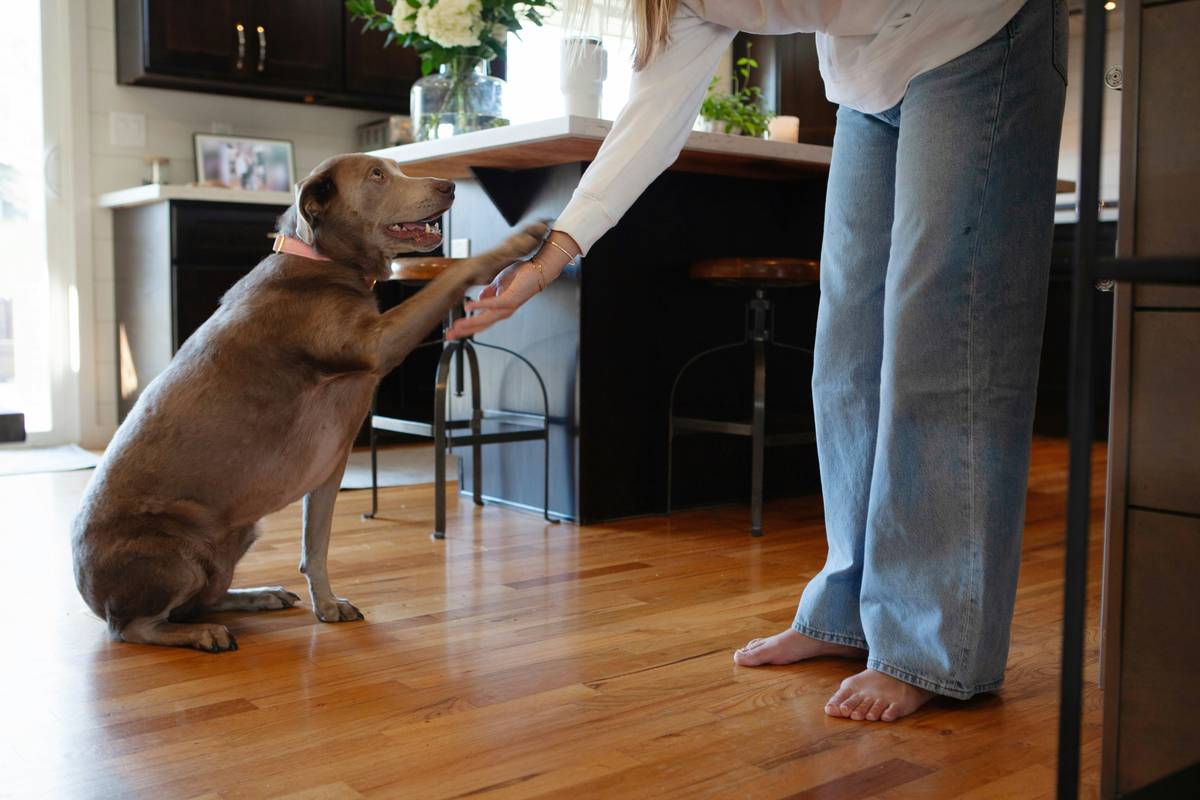
In service animal work, task training isn’t optional—it’s essential. Imagine relying on your furry friend for help opening doors, retrieving medication, or alerting you to medical emergencies. Without proper “task training service dog techniques,” even the most well-meaning pooch won’t know how to perform these critical tasks reliably.
I once made the rookie mistake of skipping foundation obedience because I was too eager to dive into advanced tasks. Big oof moment when my pup ignored commands halfway through public outings. Trust me; you don’t want to relive that disaster.
“Optimist You:”
“Just jump straight into task training!”
“Grumpy You:”
“Sure, if you enjoy chaos and crying over spilled metaphorical milk.”
Step-by-Step Guide to Task Training
Step 1: Solidify Basic Obedience First
Before diving into complex tasks, ensure your dog masters basics like sit, stay, heel, and recall. These foundational behaviors set the stage for everything else.
Step 2: Identify Key Tasks Based on Needs
Tailor the tasks to the handler’s specific needs. For example:
- Retrieving dropped items for mobility-impaired individuals.
- Detecting allergens for someone with severe allergies.
- Alerting to seizures or diabetic drops in blood sugar levels.
Step 3: Break Down Complex Tasks
No dog learns “detect low blood sugar” overnight. Break it down:
- Teach scent recognition.
- Reward for identifying the target smell.
- Introduce real-world distractions gradually.
Step 4: Practice Consistency Every Day
Repetition is king—but keep sessions short and fun. The ideal session length? Around 5–10 minutes per activity.
Step 5: Test Under Distractions
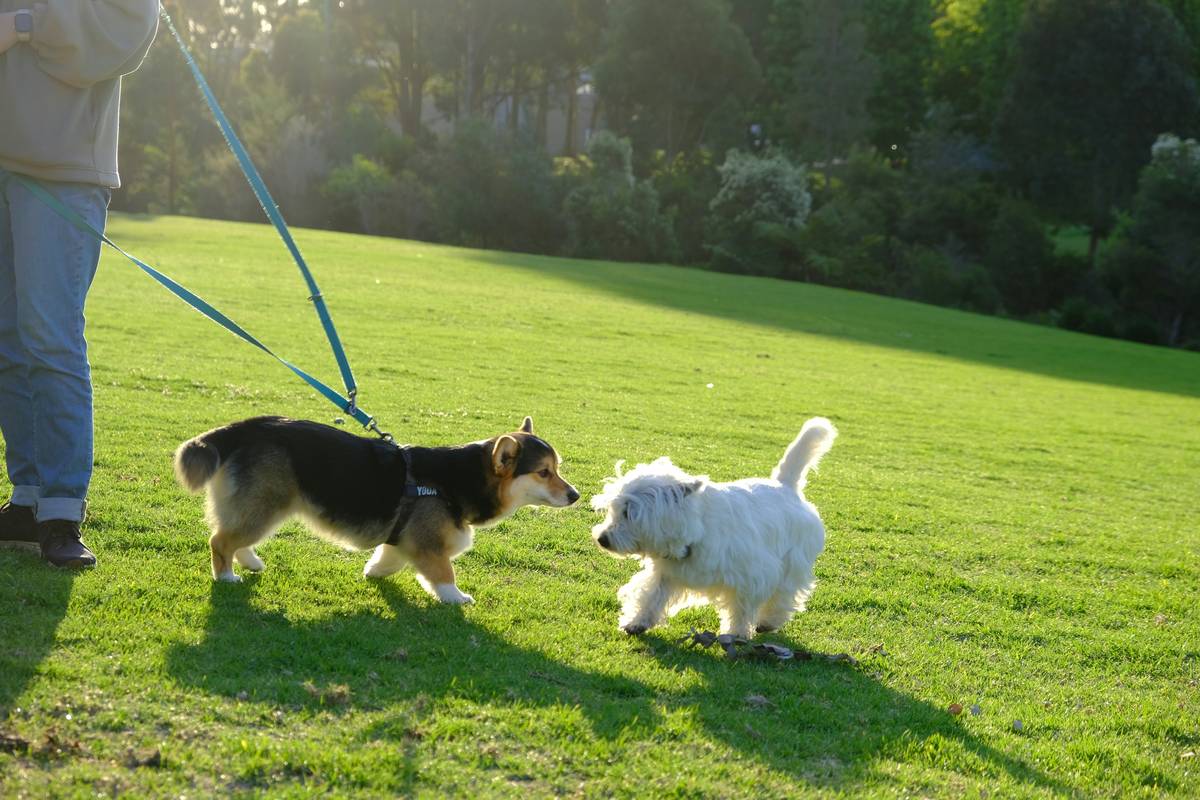
Once your dog nails a behavior in quiet environments, test them in busier settings (e.g., parks). This helps generalize the skill.
Best Practices for Success
Tip #1: Use Positive Reinforcement Always
Rewards—not punishment—fuel effective learning. Think treats, praise, toys, or belly rubs depending on what motivates your dog.
Tip #2: Be Patient (Even When It’s Hard)
Some tasks might take weeks—or months—to perfect. Avoid rushing the process, no matter how tempting it gets.
Terrible Tip Disclaimer
One terrible tip? Trying to teach multiple unrelated tasks simultaneously. Multitasking ruins focus—not just for humans but also for dogs. Stick to one core task until mastery before moving on.
A Rant About Unrealistic Expectations
Listen up: Instagram makes it look like dogs can master tricks in under two weeks. But reality? It’s messy, time-consuming, and full of setbacks. Embrace the grind instead of comparing yourself to influencers posting polished reels of obedience prodigies.
Real-Life Examples & Case Studies
Case Study 1: Milo the Mobility Assistance Prodigy
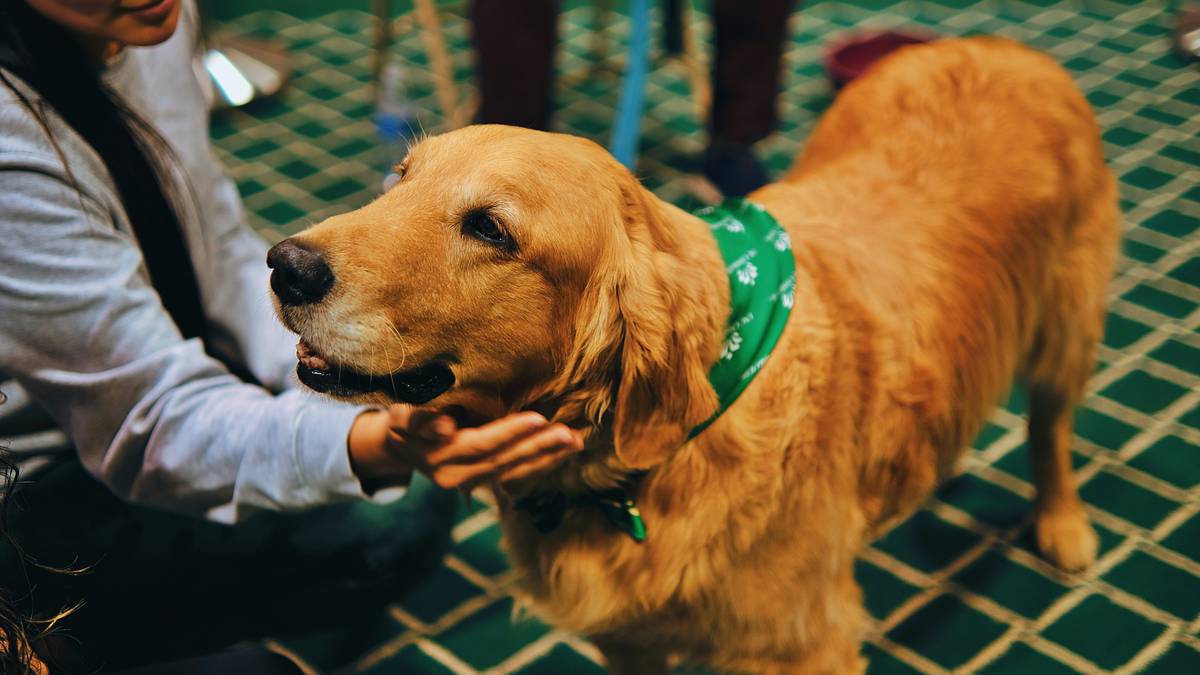
Milo, a golden retriever, began his journey as an untrained pup with zero direction. After six months of consistent task training focused on brace support and item retrieval, he now assists his handler daily without fail.
Case Study 2: Bella the Allergy Detector
Bella underwent rigorous scent detection training to recognize peanut residue. Her success rate? A whopping 97%. She’s been instrumental in preventing allergic reactions for her young handler.
Frequently Asked Questions
Q: How long does it take to train a service dog using task training techniques?
A: Typically 1–2 years from start to finish, though simpler tasks can be learned faster.
Q: Can older dogs still learn new tasks?
A: Absolutely! While younger dogs often adapt quicker, older dogs benefit greatly from mental stimulation via task training.
Q: Do I need professional help to train my service dog?
A: Not necessarily, but consulting a certified trainer ensures you avoid common pitfalls early on.
Conclusion
Task training a service dog is equal parts art and science. By focusing on consistency, breaking down tasks, and embracing the journey, you’ll create a partnership that’s truly remarkable.
So go ahead—grab those treats, put on your patience hat, and get started. Remember: Like a Tamagotchi, your progress thrives on daily care.
Bonus Haiku
Paws tap lightly,
Noses point toward answers—
Love grows task by task.