Ever wondered what happens to service animals when they hang up their vests? Spoiler alert: it’s not all naps and belly rubs. Just like humans, these hardworking heroes need retirement planning too—and neglecting this phase can lead to confusion, health issues, or even behavioral problems. In this post, you’ll learn how to prepare for your service animal’s golden years with actionable steps, heartfelt tips, and brutally honest advice (yes, we’ll call out the bad ideas).
Table of Contents
- Introduction: The Importance of Retirement Planning
- Why Service Animals Need Special Care in Retirement
- How to Plan Your Service Animal’s Retirement (Step-by-Step)
- Tips for Supporting a Retired Service Animal
- Real-Life Success Stories: Retirees Living Their Best Lives
- Frequently Asked Questions About Service Animal Retirement
Key Takeaways
- Service animals require unique care during retirement due to their specialized upbringing.
- A structured plan ensures smooth transitions from active duty to retired life.
- Regular vet check-ups, socialization, and mental stimulation are critical for aging service animals.
- Neglecting retirement planning may result in emotional distress or health complications.
Why Service Animals Need Special Care in Retirement
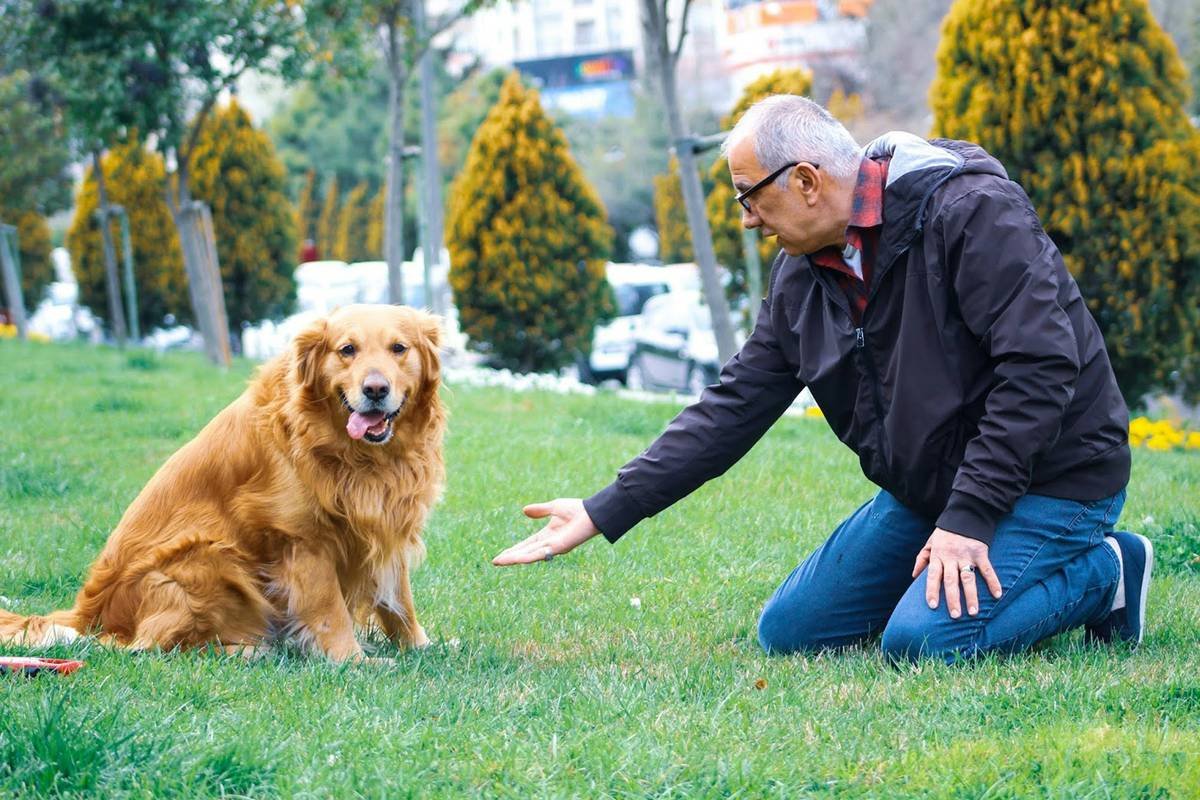
Picture this: After eight years of guiding someone through crowded streets, retrieving dropped items, and providing unwavering support, Max the golden retriever is ready to retire. But suddenly, he doesn’t have tasks anymore. His purpose-driven routine evaporates overnight. Sounds familiar? It should—it’s a common scenario for retiring service animals.
Unlike household pets, service animals undergo rigorous training that wires them to focus on specific jobs. When those responsibilities vanish without preparation, confusion sets in faster than you’d expect. Add to that age-related ailments like arthritis, deteriorating vision, and declining energy levels—it’s a recipe for chaos unless properly managed.
Sensory anecdote: Imagine the silence after unplugging a humming refrigerator—the absence echoes louder than its presence. That’s exactly how some service animals feel without proper transition planning.
How to Plan Your Service Animal’s Retirement (Step-by-Step)
Step 1: Consult Your Veterinarian
Your first stop? A trusted vet who knows your service animal inside out. They’ll assess overall health, recommend dietary adjustments, and flag potential mobility concerns early on. Think of it as setting a solid foundation for the next chapter.
Step 2: Gradually Reduce Responsibilities
Rather than pulling the plug abruptly, taper off duties over several months. Start by skipping minor tasks and gradually eliminate bigger ones. This “fade-out” technique minimizes shock and keeps stress at bay.
Step 3: Create a New Routine
Grumpy Optimist Dialogue:
Optimist You: “Let’s create fun activities!”
Grumpy You: “Fun? Who has time for that?”
Kidding aside, designing a fresh routine filled with enrichment activities—like scent games, gentle walks, or puzzle toys—is crucial. Consistency helps ease the shift from work mode to relaxation station.
Step 4: Socialize with Other Pets and People
Remember, social skills might get rusty if neglected. Organize playdates or leash walks around friendly neighbors to keep those tails wagging (or feathers flapping).
Tips for Supporting a Retired Service Animal
- Provide Mental Stimulation: Enrichment isn’t just physical; try interactive feeders or teach new tricks tailored to their abilities.
- Adjust Diet & Exercise: Older bodies often need fewer calories and less intense exercise. A balanced diet paired with low-impact movement works wonders.
- Pamper Them: Invest in cozy beds, joint-support supplements, and massages—because let’s face it, they’ve earned every indulgence.
Confessional Fail
I once skipped the gradual task reduction part because I thought my dog would adapt instantly. Rookie move. My usually calm Labrador turned into an anxious mess chasing invisible squirrels. Don’t be me. Do it right.
Real-Life Success Stories: Retirees Living Their Best Lives
Ladybug, a German Shepherd who served as a mobility assistance dog for ten years, now spends her days lounging by the fireplace and playing fetch with grandkids. Her owner attributes Ladybug’s seamless transition to meticulous planning and lots of love. Another success story involves Charlie, a retired guide dog enjoying agility courses designed for seniors—proof that there’s plenty of joy beyond the vest.
Frequently Asked Questions About Service Animal Retirement
Q: How long do service animals typically work before retiring?
A: Most service animals retire between 8–10 years old, depending on breed, health, and workload intensity.
Q: Can I retrain my retired service animal as a therapy dog?
A: Absolutely! Some retirees thrive in roles requiring less physical effort, like visiting hospitals or schools.
Q: What’s a common mistake people make when retiring their service animal?
A: Dropping all structure immediately. Remember: consistency comforts.
Conclusion
Retiring a service animal is both an end and a beginning—a chance to honor years of dedication while nurturing a joyful future. By consulting vets, easing into routines, and showering love, you’ll ensure your furry hero enjoys well-deserved rest. So, will you start planning today?
And remember: Like a Tamagotchi, pet parenting requires daily attention—even in retirement!