Ever wondered why your neighbor seems to have a service dog that’s perfectly in sync with them, but you’re still struggling with basic commands? Spoiler alert: It’s not magic—it’s preparation.
Service dogs do more than assist their owners—they empower them. But getting there requires time, patience, and some serious know-how. In this post, we’ll explore the essentials of service dog owner preparation. You’ll learn about training fundamentals, avoidable mistakes, and even a dash of industry wisdom (with a side of sarcasm). Plus, there’s a haiku waiting for you at the end!
Table of Contents
- The Importance of Service Dog Owner Preparation
- Step-by-Step Guide to Preparing as a Service Dog Owner
- Top Tips for Successful Service Animal Training
- Real-Life Success Stories from Prepared Owners
- Frequently Asked Questions About Service Dog Ownership
Key Takeaways
- Successful service dog ownership starts with thorough preparation—not just buying supplies.
- Training involves consistency, patience, and understanding your dog’s unique personality.
- Mistakes like rushing the process can set both you and your dog up for failure.
- Real-world examples show how preparation pays off long-term.
The Importance of Service Dog Owner Preparation
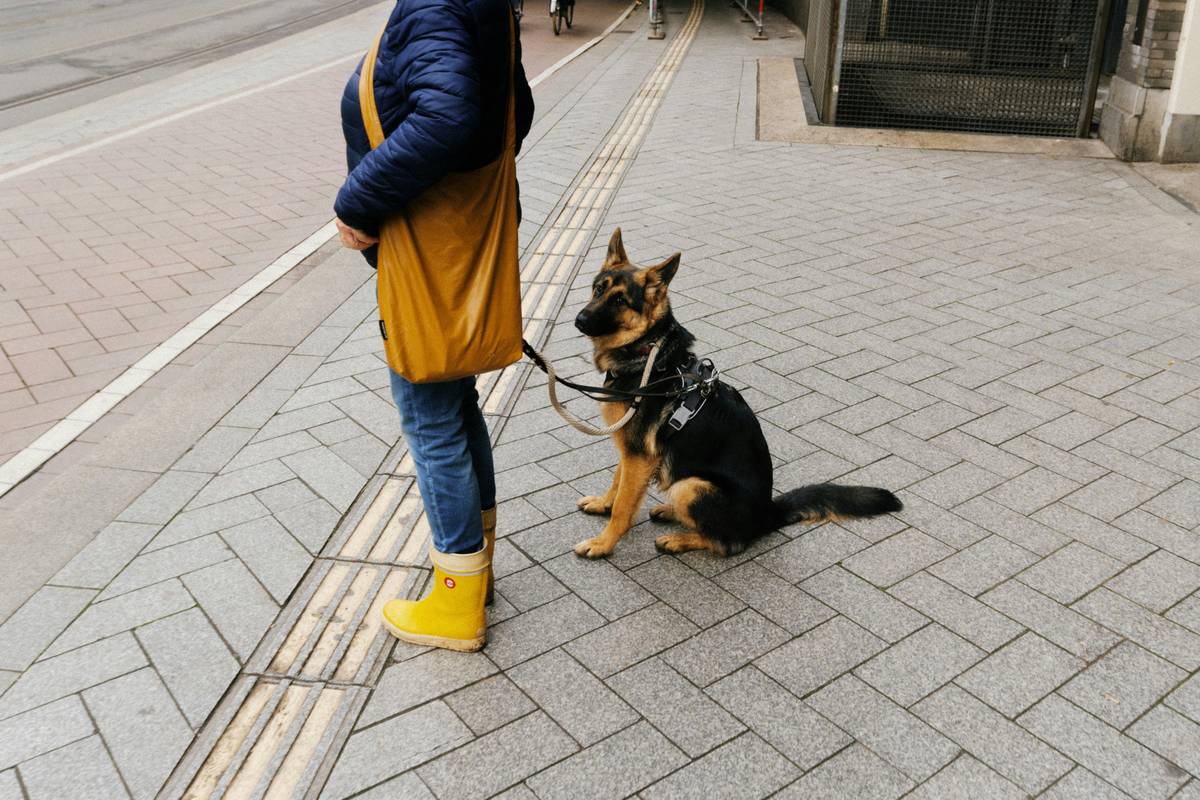
I once tried training my first service dog without doing any research. I thought, “How hard could it be?” Spoiler: Very hard. The result? A confused Labrador who couldn’t tell the difference between sitting on command and rolling over mid-walk. Ugh. Lesson learned.
The truth is, preparation is everything when it comes to owning a service animal. Without adequate groundwork, neither you nor your furry friend will thrive. According to the International Association of Assistance Dog Partners (IAADP), well-trained teams are better equipped to handle real-world challenges like crowded areas, unexpected distractions, or medical emergencies.
“Optimist You:” “I’ve got this!”
“Grumpy You:” “Ugh, no you don’t unless you plan ahead.”
Step-by-Step Guide to Preparing as a Service Dog Owner

1. What Does Your Dog Need?
Before diving into training, ask yourself what tasks your dog needs to perform. Are they an emotional support companion? Or will they assist with mobility, seizures, or hearing impairments? Each role requires tailored prep work.
2. Invest in Supplies Early On
- Training Clicker: To reinforce positive behaviors.
- Treat Pouch: Keeps rewards within arm’s reach.
- Comfortable Harness: Ensure proper fit to prevent discomfort.
3. Build a Consistent Routine
Dogs crave structure. Schedule daily practice sessions around predictable times. Start small—five-minute drills—and gradually increase duration.
Top Tips for Successful Service Animal Training
Tip #1: Be Patient
This one’s non-negotiable. Some dogs take weeks—or months—to grasp certain commands. If your pup doesn’t get it right away, remember: Progress > Perfection.
Tip #2: Use Positive Reinforcement
Reward good behavior with treats, praise, or playtime. This method strengthens bonds while building trust.
Tip #3: Avoid Rushing the Process
Here’s a brutal truth: Shortcutting preparation leads to disasters. Skipping foundational steps might seem convenient now, but it guarantees headaches later.
(Terrible Tip Disclaimed): Ignore Socialization Needs
Warning: Don’t skip exposing your dog to different environments, sounds, and people. Isolating them early on creates anxiety issues. That’s bad.
Real-Life Success Stories from Prepared Owners
Meet Sarah J., whose service dog Max saved her during multiple diabetic episodes. Here’s her secret: Months before bringing Max home, Sarah studied diabetes-alert training techniques and built connections with experienced trainers. She documented every milestone, sharing updates online (@MaxMyHero).
“Max wasn’t perfect overnight,” she admits. _“But because we were prepared, our bond grew stronger each day.”_
Frequently Asked Questions About Service Dog Ownership
Q: Can anyone own a service dog?
A: No. Federal laws (like the Americans with Disabilities Act) mandate that individuals must have qualifying disabilities requiring assistance.
Q: How long does training typically last?
A: Basic obedience takes 6–12 months; specialized task training adds another 6–18 months depending on complexity.
Q: Do I need certification?
A: Certification isn’t legally required, though many programs offer credentials to validate training standards.
Conclusion
Becoming a prepared service dog owner isn’t easy—but it’s oh-so-rewarding. From investing in supplies to mastering patience, every step brings you closer to a partnership worth celebrating.
Remember, “chef’s kiss” moments come after countless hours of dedication. So grab your coffee (because seriously—you’ll need it!) and start preparing today.
*Like battle armor for your heart,*
*Your loyal partner never parts,*
*A wagging tail, forever smiles.* 🐕✨