Ever been stopped at a store entrance because someone doubted your service dog’s legitimacy? Yeah, us too. It’s frustrating, humiliating, and downright unfair when you’re just trying to live your life with the support of your trained companion.
In this post, we’ll explore everything about service dog public access rights, including what they mean for handlers, how to navigate tricky situations, and why proper training is non-negotiable. By the end, you’ll understand your legal standing, tips on avoiding conflict, and even some “don’t-try-this-at-home” moments from real-life mishaps.
Table of Contents
- Key Takeaways
- Why Service Dog Public Access Matters
- Your Rights as a Handler & Your Responsibilities
- Best Practices for Training Your Service Dog
- Real-World Success Stories (and One Epic Fail)
- FAQs About Service Dog Public Access Rights
Key Takeaways
- The Americans with Disabilities Act (ADA) guarantees service dog public access rights in most public spaces.
- Handlers must ensure their dogs are well-trained to avoid disruptions—this isn’t optional.
- Understanding your rights can help defuse conflicts calmly and effectively.
- Avoid common mistakes like dressing up emotional support animals as service dogs—it harms everyone involved.
Why Service Dog Public Access Matters
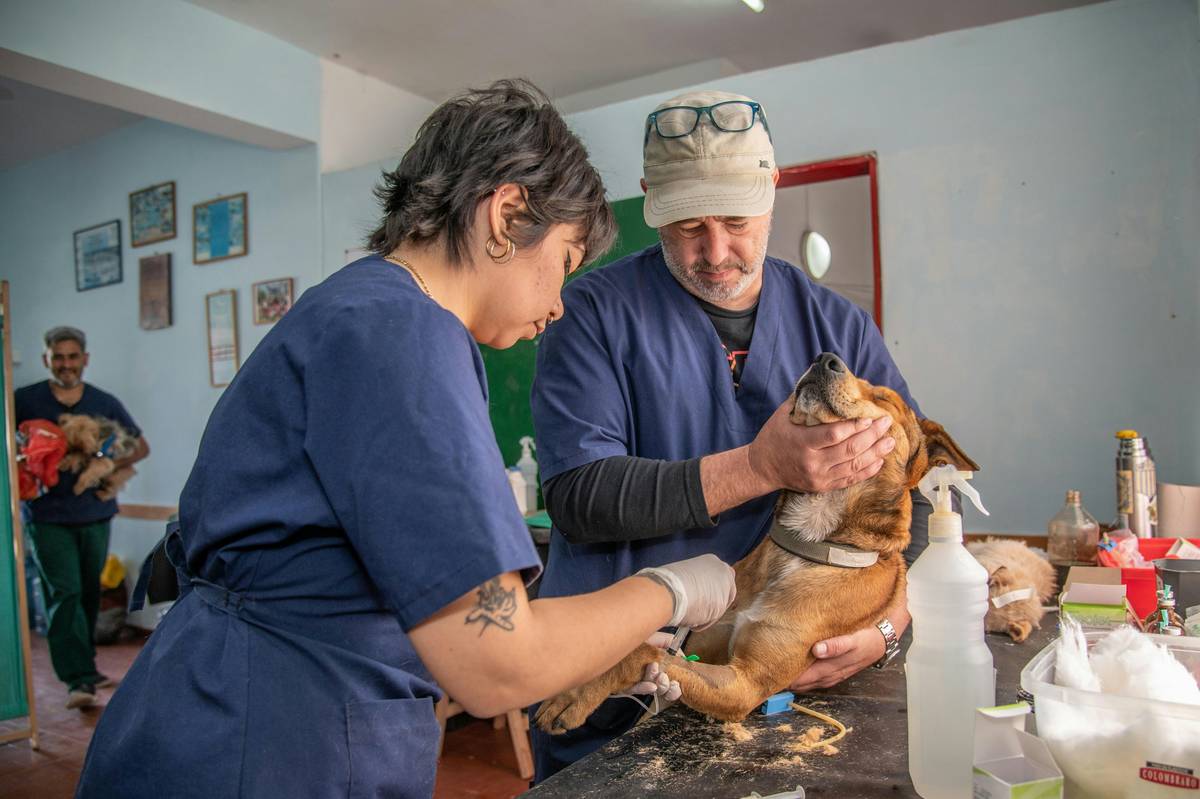
A well-trained service dog provides essential assistance while respecting public space rules.
Imagine being unable to enter a restaurant, shop for groceries, or board a plane without leaving behind the one thing that makes daily life manageable. For people with disabilities, service dog public access rights aren’t negotiable—they’re lifelines.
The ADA protects these rights by allowing service dogs into any business open to the public, provided they meet behavioral standards. But here’s the kicker: Businesses have the right to ask two questions:
- Is the dog required because of a disability?
- What work or task has the dog been trained to perform?
If your pup doesn’t comply with basic etiquette—like barking excessively or lunging at strangers—you could lose credibility. And trust me, I once witnessed an untrained “service dog” knock over an entire display of wine bottles. Spoiler alert: Not ideal.
Your Rights as a Handler & Your Responsibilities
Optimist You:* “I’ve got the law on my side!” Grumpy You: “Ugh, but only if my dog behaves.”
While service dog public access rights grant freedom, they come with responsibilities. Here’s what you need to know:
Handler Rights
- You cannot be denied entry based solely on having a service dog.
- No fees or deposits should apply due to your dog’s presence.
- Businesses cannot require certification papers or ID cards.
Handler Responsibilities
- Your dog must always remain under control, leashed unless doing so interferes with its duties.
- Dogs should never solicit attention or act aggressively.
- Clean up after accidents—if they happen.
Rant Alert: Let’s talk about fake service dogs for a second. Those trendy vests bought online with zero actual training? They’re ruining it for legitimate handlers everywhere. The next time I see a poorly behaved “service animal,” heads will roll—not literally, obviously. Just metaphorically.
Best Practices for Training Your Service Dog
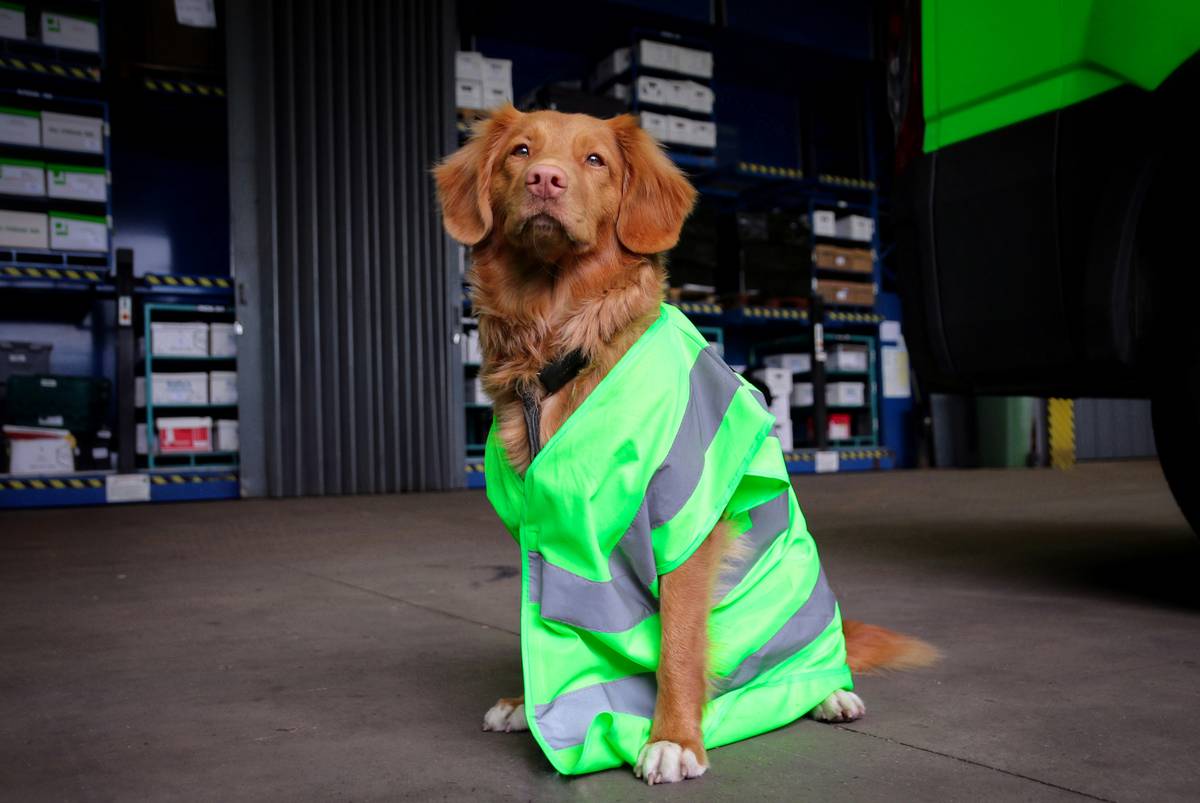
Proper training ensures both handler and dog can confidently navigate public spaces.
If you want smooth sailing with service dog public access rights, invest in top-notch training. Here’s where to start:
- Puppy Socialization: Expose your dog early to different environments, sounds, and people.
- Basic Obedience: Commands like “sit,” “stay,” and “heel” are foundational.
- Task-Specific Training: Teach tasks directly related to mitigating your disability.
- Public Practice: Gradually introduce busy settings like malls and restaurants.
Terrible Tip Disclaimer: Don’t try DIY training unless you’re prepared for potential disasters. Remember that friend who tried training their own dog and ended up with a Labrador terrified of elevators? Chef’s kiss—do not recommend.
Real-World Success Stories (and One Epic Fail)

Success stories highlight the importance of perseverance and patience in service dog training.
Jane D., a visually impaired woman, recalls how her guide dog saved her from tripping down stairs multiple times. “Knowing my rights made all the difference,” she says. “But proper training gave me confidence.”
On the flip side, let’s chat about Dave. Dave decided his “service dog” didn’t need formal training. Long story short: After chasing squirrels through a crowded park, his poor pooch was banned from future outings. Lesson learned.
FAQs About Service Dog Public Access Rights
Can businesses legally deny my service dog entry?
Only if the dog poses a direct threat or causes disruption despite warnings.
Do emotional support animals qualify as service dogs?
No. ESAs provide comfort but aren’t trained to perform specific tasks tied to a disability.
How do I prove my dog is a legitimate service animal?
You don’t need proof beyond answering the two ADA-approved questions mentioned earlier.
Conclusion
Mastering service dog public access rights means understanding both your freedoms and obligations. Invest in thorough training, stay informed about your legal protections, and remember: A well-behaved dog speaks louder than any badge or certificate.
Like a Tamagotchi, your relationship with your service dog needs daily care—and hey, maybe fewer virtual poop scoops.