
“Ever tried navigating a crowded mall with your service dog, only to feel the weight of confused stares? Yeah, we’ve been there.”
Training a service animal isn’t just about obedience—it’s about confidence and clarity in public spaces. But here’s the kicker: Knowing the ins and outs of service dog public space guidelines can be overwhelming for both new handlers and seasoned trainers.
In this post, you’ll discover how to navigate these unspoken rules while keeping your furry co-pilot calm and compliant. Expect actionable insights on training basics, public etiquette, real-world advice, and more.
Table of Contents
- Key Takeaways
- Understanding Service Dog Public Space Guidelines
- Step-by-Step Training for Public Accessibility
- Best Practices for Navigating Public Spaces
- Real-World Success Stories
- Frequently Asked Questions
Key Takeaways
- The ADA defines clear rights and responsibilities for service dogs and their handlers in public spaces.
- Public access training focuses on behavior like “heel,” “sit,” and ignoring distractions.
- Consistency and patience are key during training—don’t rush the process!
- Avoid enforcing bad habits by never rewarding unruly behavior in public settings.
Understanding Service Dog Public Space Guidelines
Picture this: You’re at an upscale restaurant. Your perfectly trained pooch sits quietly under your table—but the waiter hesitates before approaching your table. Why? Because many people still don’t fully understand—or respect—the legal framework around service animals.
Under the Americans with Disabilities Act (ADA), businesses must allow service dogs to accompany individuals in all areas where customers are normally allowed. These include grocery stores, restaurants, hotels, and even airplanes (though airlines have additional regulations).

But let’s get real for a moment. Some handlers struggle because they haven’t clarified what separates service dogs from emotional support animals or pets. The former undergo rigorous task-based training; the latter does not share the same legal protections. It’s a distinction that matters when entering public spaces!
Rant Alert:
Ugh, fine—but seriously, folks, ESAs wearing random vests do NOT qualify as service animals. This confusion makes it harder for legitimate teams to gain acceptance without suspicion! Can we stop pretending every dog deserves free reign in Whole Foods?
Step-by-Step Training for Public Accessibility
If you’re starting from scratch, buckle up—it’s going to take time. Here’s a roadmap:
Step 1: Master Basic Commands
Start with foundational cues such as “heel,” “sit,” “stay,” and “leave it.” Without mastery here, public exposure will likely lead to chaos.
Step 2: Introduce Distractions Gradually
Sounds like kids screaming in Target? Yep, that’s exactly the type of stimulus your pup needs to practice tuning out. Start small—with toys or food—and gradually escalate to louder noises and busier environments.
Step 3: Train in Stages
Optimist You:* “Take them straight to Disneyland!”
Grumpy You: “Nope—start smaller, dude. Try Walmart first.”
Terrifying Tip Disclaimer: Never expose your dog to chaotic situations too soon unless you want them bolting mid-mall sprint (true story). Patience pays off!
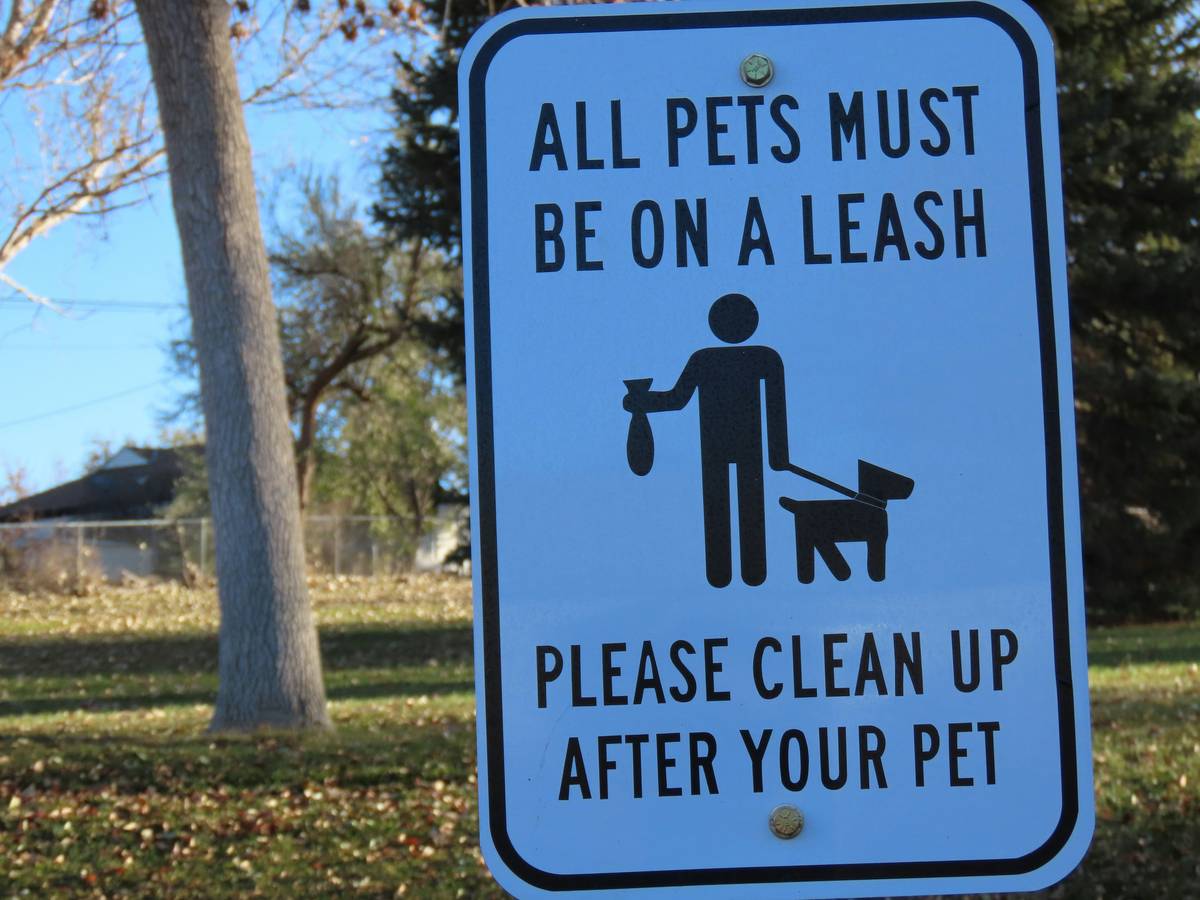
Best Practices for Navigating Public Spaces
- Vest Up! While not legally required, dressing your dog in a working vest helps communicate their role clearly.
- Pre-Visit Prep: Scope out less busy times and familiarize yourself with store layouts online.
- Stay Calm Under Fire: If someone challenges your right to bring your dog, politely explain the law and move along if necessary.
Real-World Success Stories
Let me tell you about Sasha, a golden retriever who made headlines last year. Her handler, Jane, had severe PTSD after a car accident. Despite initial resistance from local shops, consistent training transformed Sasha into her ultimate sidekick—one who could even retrieve keys dropped behind counters. Proof positive that perseverance pays!

Frequently Asked Questions
Can my service dog go everywhere I do?
Almost! Exceptions are rare but exist—for example, sterile hospital rooms or zoo exhibits housing endangered species.
Do I need certification papers?
Nope! The ADA doesn’t require formal documentation. However, having a note card explaining your dog’s purpose might ease tensions.
What if someone tries to pet my dog?
Gently remind them that your dog is working and avoid physical contact until later.
Conclusion
Navigating service dog public space guidelines may feel daunting, but armed with knowledge, patience, and persistence, you’ll breeze through it. Remember: A well-trained service dog empowers independence—not frustration.
Hungry for more tips? Check out our related posts:
- How to Choose the Right Service Dog Breed
- Top Tools for Service Dog Training Beginners
- The Science Behind Fear-Free Training Techniques
Like a Tamagotchi, your SEO strategy thrives with daily care—so keep learning!