Table of Contents
- Introduction
- Why Support Animal Owner Expectations Matter
- Step-by-Step Guide to Training Your Service Animal
- Best Practices for Managing Expectations
- Real-Life Examples: Success Stories in Service Animal Training
- Frequently Asked Questions About Support Animals
- Conclusion
Introduction
Ever thought about getting a service animal, only to wonder if you’re cut out for the responsibility? Trust me, you’re not alone. Many aspiring support animal owners dive headfirst into training their furry companions without fully understanding what’s expected of them—or worse, expecting miracles overnight.
In this post, we’ll explore how to set realistic support animal owner expectations so both you and your four-legged partner can thrive together. You’ll learn why managing expectations is crucial, get actionable steps for training, discover best practices, and hear from real-life success stories.
Key Takeaways
- Support animals require time, patience, and consistent training.
- Unrealistic expectations can harm both you and your animal’s progress.
- Success comes from clear goals, realistic timelines, and mutual trust.
- Professional guidance or certified programs can make a world of difference.
Why Support Animal Owner Expectations Matter
I once met someone who brought home a Golden Retriever puppy expecting it to perform advanced tasks like opening doors and fetching keys within weeks. Spoiler alert: It didn’t happen. And guess what? They were ready to give up after just two months!
This isn’t uncommon. Unrealistic support animal owner expectations lead to frustration, stress, and sometimes even abandonment. According to the American Veterinary Medical Association (AVMA), improper training accounts for over 60% of failed service animal placements. That statistic should scare you—but it doesn’t have to.
Here’s the deal: Owning a service animal isn’t magic—it’s science mixed with a whole lot of heart. If you’re prepared for the grind, you’ll come out on top. But if you think shortcuts exist… well, I hope you’ve stocked up on coffee because this journey will test every ounce of patience you’ve got.
Step-by-Step Guide to Training Your Service Animal
Step 1: Understand Basic Obedience First
Before diving into specialized tasks, ensure your pup has basic obedience down pat: sit, stay, heel, and recall. These commands form the foundation of all future training.
Step 2: Break Down Tasks Into Small Steps
Want your dog to pick up dropped items? Start by teaching them to touch objects with their nose, then progress to holding things in their mouth, and finally grabbing and retrieving specific items. Baby steps are your friend here.
Step 3: Be Consistent and Patient
“Optimist You:” “We’ll be pros at this in no time!”
“Grumpy You:” “Yeah, right. Only if you promise snacks AND naps.”
Training requires consistency. Make sure sessions are short but frequent—5-10 minutes several times a day works better than marathon cramming.
Step 4: Work With a Professional Trainer
It’s okay to ask for help. In fact, it’s often essential. A professional trainer can provide structure, answer questions, and keep you accountable. Plus, they might save you from accidentally teaching your dog “shake” when you meant “hold.”
Best Practices for Managing Expectations
- Avoid Overloading Your Dog: Even though your pup loves you dearly, overwhelming them with too many new skills at once leads to burnout.
- Track Progress Regularly: Keep a journal or use an app to document daily wins. Reflecting helps maintain motivation.
- Know When to Call It Quits: Sometimes, despite our best efforts, certain dogs aren’t suited for complex tasks. Don’t force something that isn’t working.
- Rant Break: Stop falling for Instagram videos of “trained” dogs doing insane tricks unless they also show the YEARS of work behind those moments. Seriously, it drives me bonkers.
Real-Life Examples: Success Stories in Service Animal Training
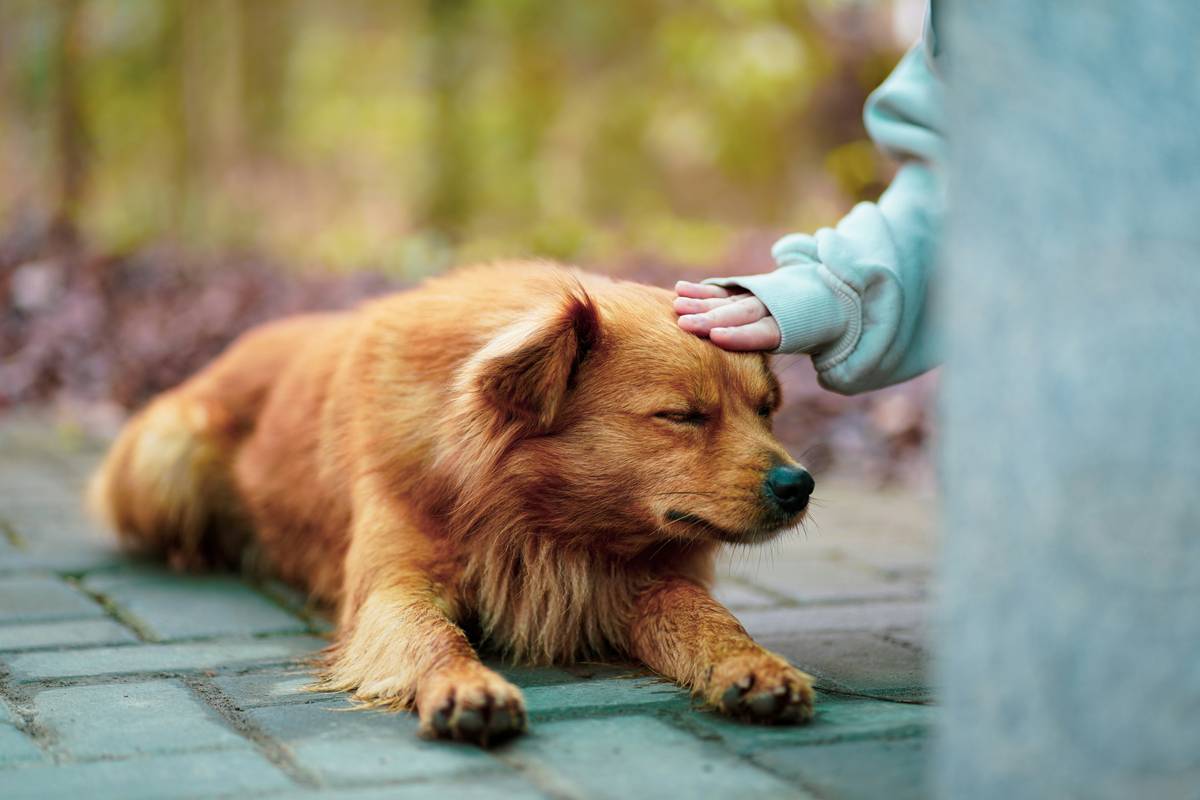
Maria adopted Max, a shy Labrador mix, hoping he’d become her psychiatric support animal. Initially, Maria struggled due to unrealistic timelines. She wanted Max to sense anxiety attacks immediately, which caused unnecessary pressure. After working with a certified trainer and resetting her expectations, Maria focused on bonding first. Six months later, Max could detect early signs of anxiety and provide comfort through nudges and cuddles. Today, Maria credits Max for improving her mental health significantly.

Frequently Asked Questions About Support Animals
Q: What should I expect during the training process?
A: Expect ups and downs. Some days will feel like pure magic; others may leave you questioning everything. Progress takes time.
Q: Can any breed become a service animal?
A: While technically yes, some breeds excel more naturally in roles requiring focus, discipline, and physical stamina, such as Labradors and German Shepherds.
Q: Is hiring a trainer worth the investment?
A: Absolutely. Think of it as outsourcing expertise—you’re paying for knowledge that accelerates results while avoiding costly mistakes.
Conclusion
Managing support animal owner expectations is key to unlocking the full potential of your partnership. Whether you’re tackling basic commands or specialized tasks, remember that progress happens one paw print at a time. Stay patient, seek professional advice when needed, and always celebrate small victories along the way.
Chef’s kiss moment: The bond you build with your service animal makes all the sweat and tears worth it. Now go forth and train with confidence—you’ve got this!
Like a Tamagotchi, your relationship with your support animal needs daily care. 🐾✨