Ever wondered how service animals learn those life-changing skills that help people with disabilities? It’s not magic—it’s task training for service animals, and we’re spilling all the beans today.
You’ll discover what task training is, how it works, common mistakes trainers make (yes, even pros mess up), actionable steps to train your service animal, and inspiring real-world examples. Let’s dive in!
Table of Contents
- Why Task Training for Service Animals Matters
- Step-by-Step Guide to Task Training Your Service Animal
- Best Practices & Tips to Master Task Training
- Real-World Examples of Successful Service Animal Training
- FAQs About Task Training for Service Animals
Key Takeaways
- Task training teaches service animals specific actions to assist individuals with disabilities.
- Consistency, patience, and positive reinforcement are critical components of effective training.
- Avoid rushing the process—bad habits stick just as easily as good ones.
- Professional guidance can accelerate progress but isn’t mandatory for success.
Why Task Training for Service Animals Matters

Service animals are superheroes without capes—or so it seems. But behind every perfect “retrieve my meds” or “alert me during an anxiety attack,” there’s hours of hard work called task training for service animals. These tasks don’t just happen overnight; they’re carefully crafted through repetition, reward, and love.
Sadly, I once tried teaching my Labrador retriever to fetch mail. What did he do instead? Devour half the envelopes because I didn’t reinforce the “leave it” command early on. Talk about a rookie mistake!
Without proper training, you risk creating confusion, frustration, and potentially dangerous situations—for both the handler and the animal.
Optimist You: *’With enough treats and patience, anything is possible!’*
Grumpy You: *’Ugh, fine—but only if coffee’s involved.’*
Step-by-Step Guide to Task Training Your Service Animal
Step 1: Assess the Handler’s Needs
No two handlers are alike. Is the person visually impaired, hearing-impaired, or dealing with mobility challenges? Understanding their unique needs ensures the right tasks are prioritized.
Step 2: Break Down Tasks into Manageable Steps
For instance, teaching a dog to turn on a light switch involves:
- Approaching the switch.
- Tapping it gently.
- Retreating safely.
Step 3: Use Positive Reinforcement Religiously
Rewards like treats, praise, or playtime keep morale high. Without them, your pup might decide this whole thing is bogus.
Step 4: Gradually Increase Complexity
Start simple—like fetching small items—before moving onto advanced tasks such as opening doors or detecting seizures.
Warning: Don’t fall for gimmicky shortcuts like “instant obedience buttons.” They’re chef’s kiss useless and will cost you more than just money.
Best Practices & Tips to Master Task Training
Tip #1: Consistency is King (and Queen)
Train daily, ideally at the same time. Dogs thrive on routine—unlike humans, who seem allergic to schedules.
Tip #2: Keep Sessions Short but Sweet
10–15 minutes per session max. Any longer, and your furry student may start zoning out faster than Netflix buffering.
Tip #3: Customize Commands
Make sure hand signals or verbal cues align with your handler’s preferences. Flexibility = better outcomes.
Tip #4: Celebrate Small Wins
“Hey buddy, great job fetching my phone!” sounds lame to us but means the world to them.
I cannot stress this enough: Ignore anyone saying, “Just wing it.” If you want reliable results, plan meticulously. That one guy on TikTok claiming his parrot learned French in a weekend? Yeah, nope.
Real-World Examples of Successful Service Animal Training
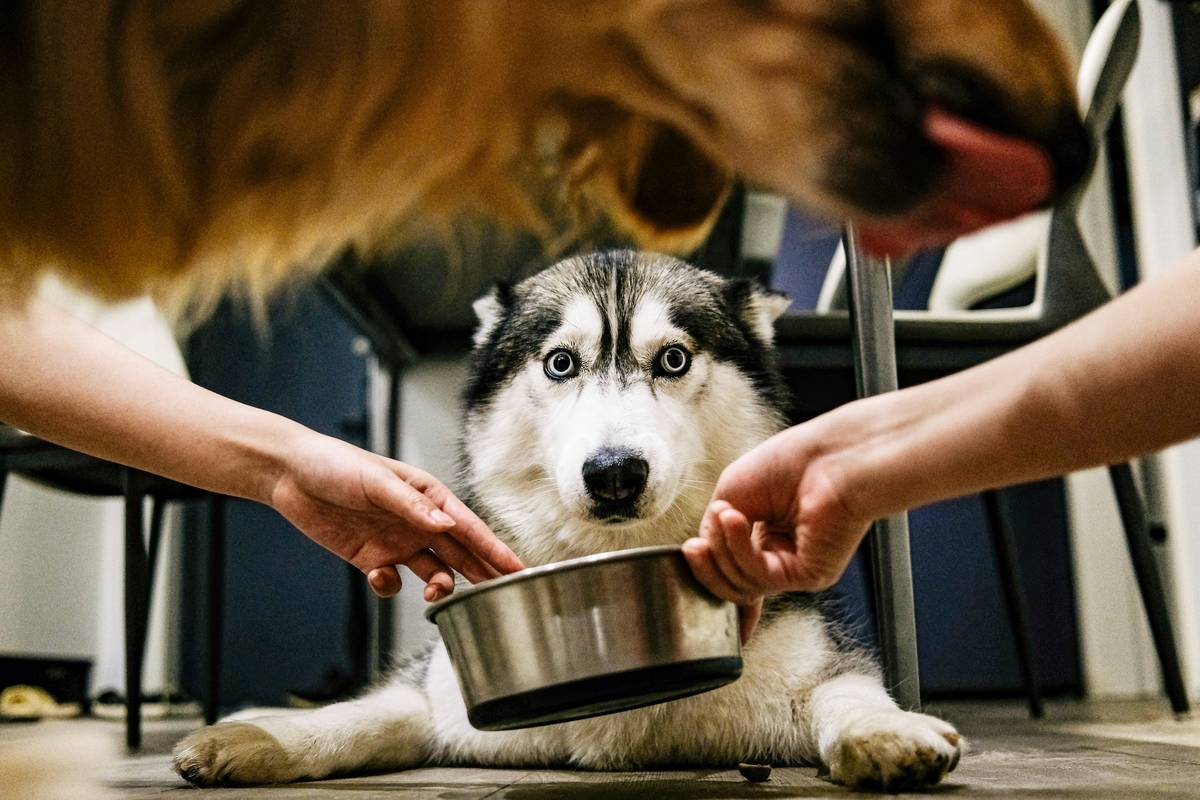
Example #1: Charlie the PTSD Support Dog
Charlie alerts his veteran owner to panic attacks and wakes him from nightmares. His hero status? Earned via months of task training focused on recognizing subtle cues like rapid breathing.
Example #2: Bella the Hearing Alert Cat
Bella, yes, a cat (!), has been trained to nudge her deaf handler when alarms go off. Her secret sauce: laser pointer games paired with sound association drills.
Example #3: Max the Mobility Assistance Dog
Weighing over 100 pounds, Max helps his wheelchair-bound handler open doors, pick up objects, and even tug laundry baskets. Not bad for a couch potato turned athlete!
FAQs About Task Training for Service Animals
Q: How long does task training take?
A: Typically 6–18 months, depending on complexity and the individual animal’s pace.
Q: Can older animals still learn new tasks?
A: Absolutely! While younger dogs tend to adapt quicker, many senior pets excel with patience.
Q: Do I need professional help?
A: Not always, though hiring a certified trainer can save frustration and speed things up.
Conclusion
Congratulations—you now know the ins and outs of task training for service animals. With consistency, creativity, and compassion, you can unlock incredible abilities in these amazing creatures.
Remember, training isn’t just about commands; it’s about building trust. Keep practicing, stay patient, and watch miracles unfold.
Sniff, sit, repeat.
Love grows in clicks.
Like a Tamagotchi, nurture pays.