Ever wondered why some service animals breeze through public spaces while others struggle to meet compliance standards? Let’s decode it together.
If you’re a service animal trainer, handler, or just someone passionate about accessibility rights, this post is your golden ticket. We’ll tackle the ins and outs of service animal public area compliance, share actionable steps for training success, and sprinkle in some brutally honest advice along the way.
You’ll learn:
- What “compliance” REALLY means (and what NOT to do).
- Step-by-step guidelines to train a service animal for public areas.
- Tips from real-world case studies—and where people commonly mess up.
Table of Contents
- Key Takeaways
- Understanding Service Animal Public Area Compliance
- Step-by-Step Guide to Training for Compliance
- Best Practices for Effective Training
- Success Stories & Case Studies
- FAQs on Service Animal Public Area Compliance
Key Takeaways
- Compliance ensures both safety and legal protection in public spaces.
- Training should focus on behavior control, distraction management, and obedience under pressure.
- Mistaking emotional support animals for service animals can lead to serious issues—know the difference!
Understanding Service Animal Public Area Compliance
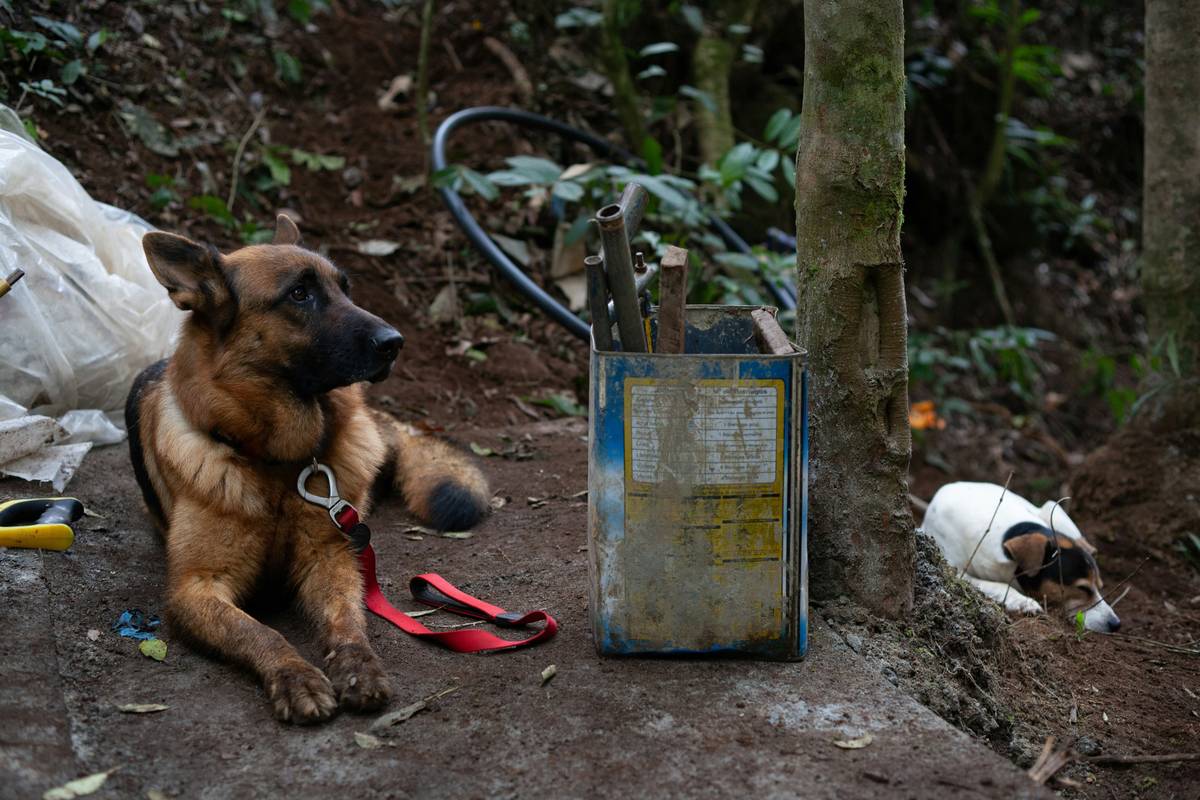
Let’s rewind to that one time I took my untrained pup Luna into a café thinking she’d nail it as an “unofficial service dog.” Spoiler: It ended with her chasing a napkin roll halfway across the floor (*facepalm*).
Public area compliance isn’t just fancy jargon—it’s the backbone of making sure service animals serve their purpose without causing chaos. According to the ADA (Americans with Disabilities Act), businesses must allow service animals but retain the right to exclude those behaving disruptively.
Here’s the kicker: Compliance doesn’t hinge on perfect training alone; it also involves understanding societal norms and regulations. Without this knowledge, even well-meaning handlers risk embarrassing run-ins—or worse, legal trouble.
Why Does This Matter?
Think about it: A poorly trained service animal can compromise not only its handler’s experience but also public perception of ALL service animals. Hello, ripple effect!
Step-by-Step Guide to Training for Compliance

Step 1: Start with Basic Obedience
No shortcuts here! Commands like “sit,” “stay,” and “heel” set the foundation for advanced skills.
Step 2: Introduce Distractions Gradually
Your home office desk chair might be boring now, but imagine it turning into a squeaky wheel mid-session. Train your pup around controlled distractions before heading out.
Grumpy You: “Wait… Did I say GRADUALLY?! Yeah, skipping ahead will haunt you.”
Step 3: Practice in Controlled Public Spaces
Start small—a quiet park bench works wonders. Build confidence by increasing foot traffic over time.
Step 4: Reinforce Good Behavior REPEATEDLY
Consistency builds trust. Reward calm behavior every single time—not just when it’s convenient!
Best Practices for Effective Training
Now let’s dive deeper into tips designed to make life easier:
- Know Local Laws. Rules vary wildly between states, so stay informed!
- Socialize Regularly. Get your furry friend used to weird noises, smells, and surfaces early on.
- Use Positive Reinforcement ONLY. Fear-based tactics create more problems than they solve.
Terrific Tip That Won’t Work:
“Just wing it!” Sounds tempting if you’re short on time—but trust me, improvisation leads straight to disaster town.
Rant Break: The Fake Vest Fiasco
I cannot stress enough how frustrating fake vests are. Buying gear online does NOT magically transform any dog into a certified service animal. If everyone did this, genuine service dogs would lose credibility FAST. Please stop ruining it for legit teams out there!
Success Stories & Case Studies
Meet Max, a Labrador Retriever who mastered airport navigation after months of diligent training. His secret sauce? Handler dedication paired with incremental exposure therapy.
Before-and-after stats show Max went from failing basic leash tests to passing rigorous TSA inspections—all because his owner stuck to structured lessons.

FAQs on Service Animal Public Area Compliance
Q1: Do all service animals need certification papers?
A: No, but staff may ask two questions per ADA rules: Is the animal required due to disability? What task has it been trained to perform?
Q2: Can restaurants deny entry to service animals?
A: Generally no, unless the animal poses a direct threat or causes disruption beyond occasional barking/sniffing.
Q3: How long does compliance training typically take?
A: Between six months to two years depending on complexity and consistency.
Conclusion
If there’s ONE thing you remember from today, let it be this: compliance isn’t optional—it’s foundational. With patience, practice, and proper guidance, your service animal can thrive anywhere.
And hey, don’t forget…
Buddy stands tall,
Calm amidst the crowd.
Service stars shine brightest!