Ever felt overwhelmed when your service animal gets too much attention in public? You’re not alone. Whether it’s a stranger trying to pet them or asking intrusive questions, maintaining proper etiquette for service animal interactions can be challenging. But don’t worry—we’ve got you covered! In this guide, we’ll break down the essential service animal public interaction rules, so both you and your furry companion are prepared.
Table of Contents
- Introduction
- Key Takeaways
- Why Do Service Animal Public Interaction Rules Matter?
- Step-by-Step Guide to Mastering Public Interactions
- Tips & Best Practices for Navigating Social Situations
- Real-Life Examples of Good (and Bad) Public Interactions
- Frequently Asked Questions About Service Animals
- Conclusion
Key Takeaways
- Service animals have specific roles, and their focus should never be disrupted by public interference.
- Knowing the legal framework behind service animal access rights helps protect both you and your animal.
- Polite but firm communication is key to enforcing service animal public interaction rules.
- Training your service animal to remain calm in crowded spaces strengthens compliance with these rules.
Why Do Service Animal Public Interaction Rules Matter?
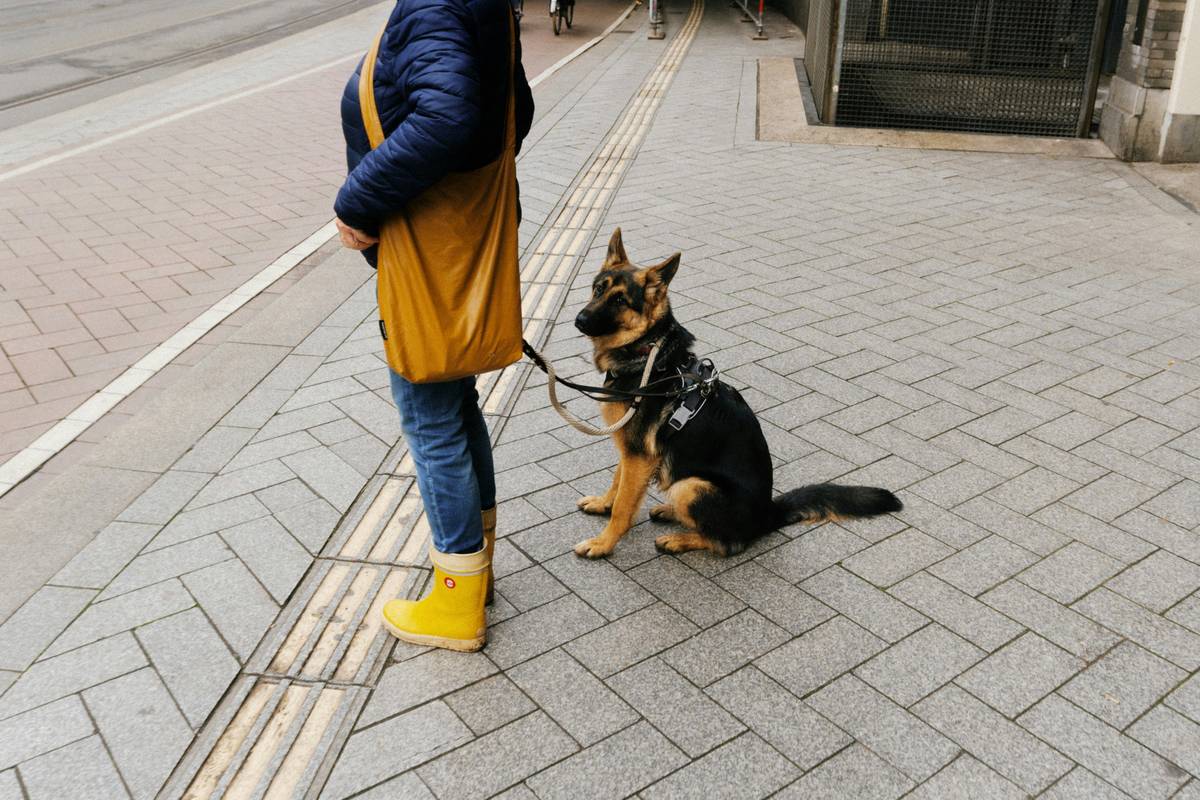
Let me tell you about the time I almost had an awkward meltdown at a coffee shop. My service dog, Max, was doing his job perfectly—until someone tried to feed him a muffin crumb. Now, while that might sound cute, it actually endangered his training and could’ve caused serious issues later. This isn’t just my story; it’s a universal struggle among service animal handlers.
The reality is simple: service animals are medical tools first, pets second. Their primary role is to assist individuals with disabilities, and any distraction from strangers can compromise their effectiveness. Understanding service animal public interaction rules ensures that everyone—handlers, bystanders, and businesses—knows how to behave respectfully.
Step-by-Step Guide to Mastering Public Interactions
Step 1: Get Educated on Legal Grounds
First things first, know your rights under federal laws such as the Americans with Disabilities Act (ADA). These regulations dictate where service animals can go and what behaviors violate handler rights. For instance:
- Public places must allow service animals without charge.
- No one can ask for documentation proving your animal is legit.
- Two questions may be asked: Is the animal required because of a disability? What task(s) has it been trained to perform?
Step 2: Train Your Animal for Real-World Scenarios
This step involves simulating real-life situations during training sessions. Practice entering crowded areas, handling curious stares, and responding politely to queries. Tools like desensitization exercises help prepare your service animal for stressful environments.
Step 3: Set Boundaries with People
Here comes the tricky part—setting boundaries. Develop polite scripts like:
“Thank you for being interested, but please do not distract my service animal—they’re working right now.”
Rant alert: The number of times people ignore “Do Not Pet” signs baffles me. It’s disrespectful and, honestly, kinda rude.
Tips & Best Practices for Navigating Social Situations

- Wear Identification: Equip your service animal with vests, patches, or badges indicating their status.
- Roleplay Scenarios: Rehearse responses to common scenarios to reduce stress in actual encounters.
- Talk Less, Smile More: Sometimes, a friendly smile works better than explaining everything.
Anti-advice moment: Don’t ever get into arguments over whether your pet qualifies as a service animal. Just walk away if things escalate—it’s not worth the headache.
Real-Life Examples of Good (and Bad) Public Interactions

A friend once recounted how she handled a nosy retail employee who demanded proof her Labrador was a legitimate service dog. Instead of losing her cool, she calmly cited ADA guidelines and left the store after completing her purchase. Her poise turned a potentially hostile situation into a teachable moment.
On the flip side, another handler faced backlash after aggressively scolding a well-meaning toddler’s parent for letting the child approach. While protecting your animal is crucial, balance is equally important.
Frequently Asked Questions About Service Animals
Q1: Can I Bring My Emotional Support Animal Anywhere Like a Service Animal?
No, emotional support animals (ESAs) differ legally from service animals and often require additional permissions for entry.
Q2: Why Can’t People Pet My Service Animal?
Petting distracts the animal from its duties, which compromises safety and effectiveness.
Q3: What Should I Do If Someone Ignores Service Animal Rules?
Politely remind them of the rules or escalate the issue to management/security, depending on severity.
Conclusion
To recap, mastering service animal public interaction rules means knowing your rights, preparing your animal, and communicating clearly with others. With patience and practice, navigating public spaces becomes smoother for both you and your four-legged teammate.
Like remembering to charge your iPod after hours of use, consistent effort keeps your bond strong and compliant. And hey, here’s a haiku to leave you inspired:
Fur meets world with grace,
Boundaries kept tight, hearts open.
Teamwork makes life sweet.