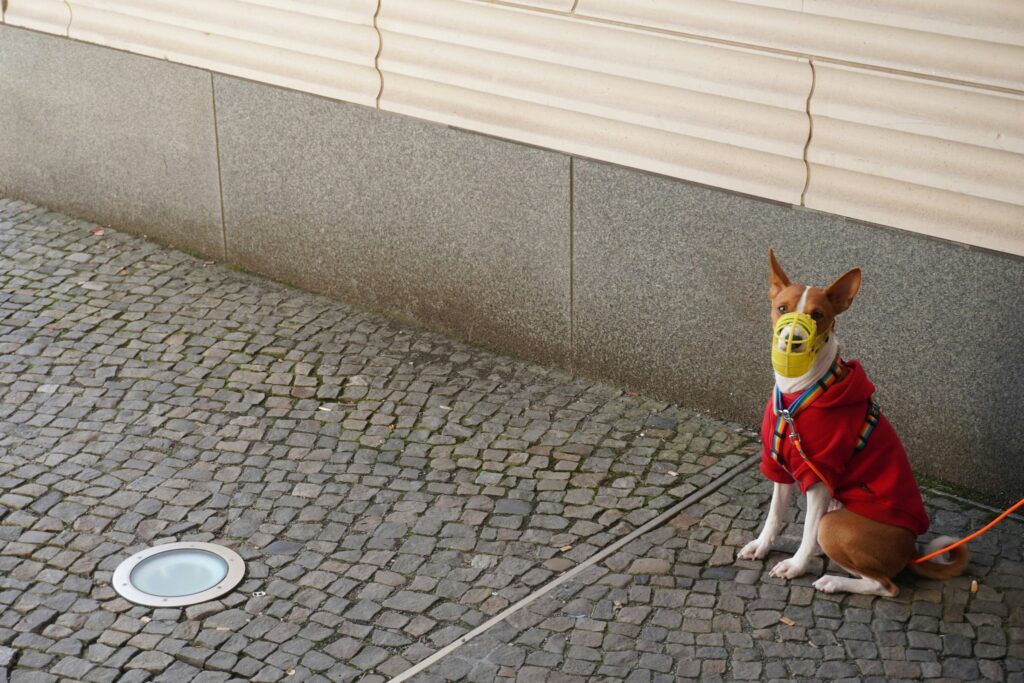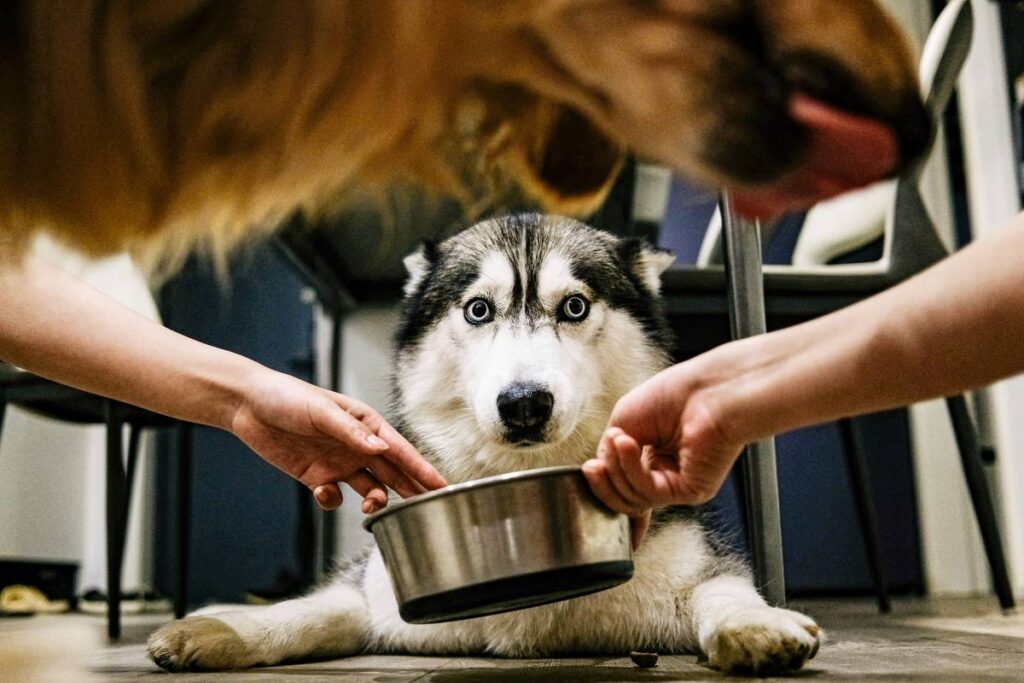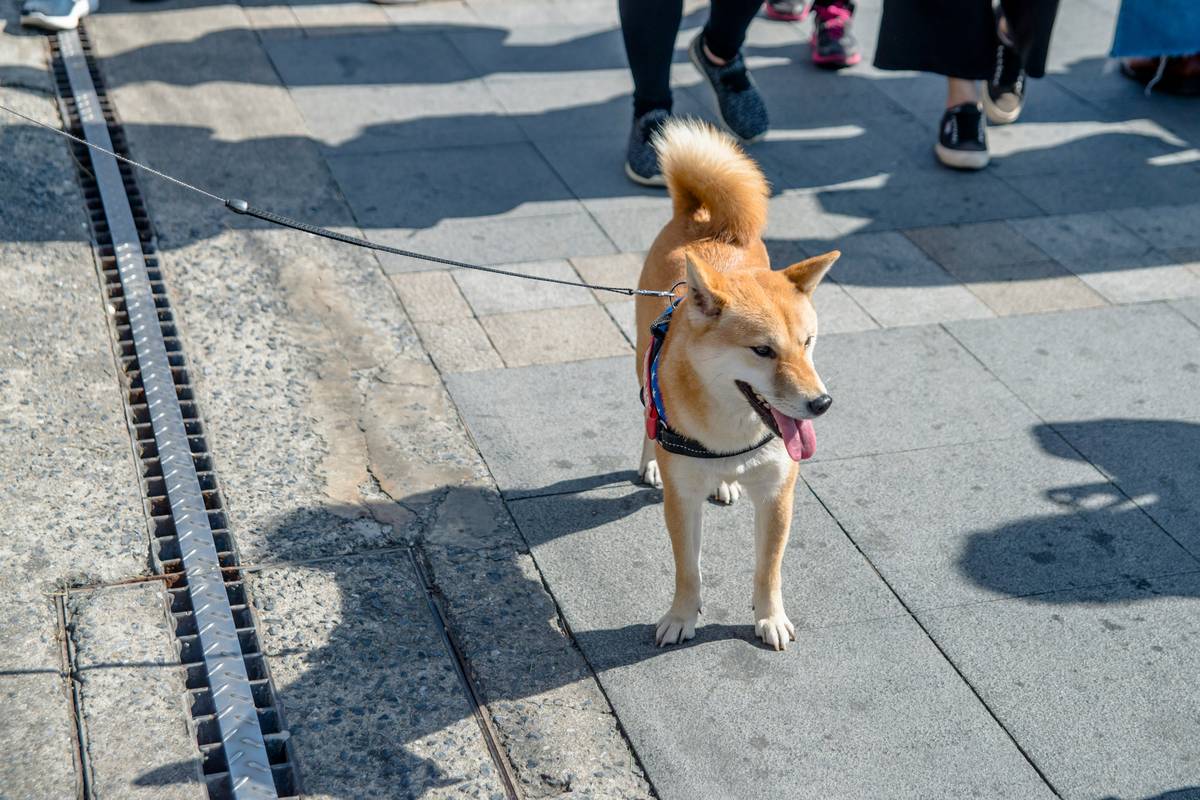
Ever been in a crowded coffee shop and seen someone’s service animal misbehaving? The chaos of a barking dog or an overly curious cat can ruin what should have been a peaceful outing—both for the handler and those around them. And if you’re training service animals, this scenario might hit close to home. What if I told you that mastering service animal public behavior rules isn’t just about obedience but also about building confidence and trust between handlers and their animals?
In this guide, we’ll dive deep into everything from understanding the critical importance of these rules to actionable steps for successful training. By the end, you’ll feel armed with knowledge on how to create well-behaved service animals ready for any public setting. Plus, along the way, you’ll get quirky tips (and maybe even a little rant), because let’s be honest—not all advice is created equal.
Table of Contents
- Key Takeaways
- Why Service Animal Public Behavior Rules Matter
- Step-by-Step Guide to Training Obedient Animals
- Top Tips for Enforcing Good Behavior
- Real-Life Success Stories
- Frequently Asked Questions
Key Takeaways
- Public behavior rules are essential for creating safe interactions between service animals, handlers, and the public.
- Effective training hinges on consistency, reinforcement, and patience.
- Failing to address disruptive behaviors early can lead to serious setbacks in training progress.
- Knowing your rights as a trainer—and teaching handlers theirs—is crucial when navigating challenges in public spaces.
Why Service Animal Public Behavior Rules Matter
Let me paint you a picture: Picture this—I once trained a golden retriever who was a rockstar at command drills indoors. But one day, during an outdoor session near a busy park, he decided to chase after pigeons. Why? Because I hadn’t fully addressed his impulse control in unpredictable environments. Rookie mistake.
Public settings bring distractions galore—from loud noises to tempting smells—and they test every ounce of discipline instilled in a service animal. Without clear service animal public behavior rules, things spiral fast. Imagine trying to navigate a grocery store while your pup keeps lunging toward carts or sniffing strangers’ bags. Not exactly ideal for fostering independence, right?
A golden retriever learning focus amidst urban distractions.
The reality? People often underestimate how challenging it is to train an animal for public life. But remember, bad behavior doesn’t happen overnight, either—it builds slowly without proper intervention. So buckle up; here’s where strategic training saves the day.
Step-by-Step Guide to Training Obedient Animals
Alright, enough venting. Let’s talk action plans. Here’s how to mold your furry student into a model citizen:
Step 1: Start Simple – Basic Commands First
Before anything else, nail foundational commands like “sit,” “stay,” “heel,” and “leave it.” These will serve as tools for managing more complex behaviors later.
Step 2: Introduce Controlled Distractions
Gradually expose the animal to mild distractions, such as toys or treats placed nearby. Use positive reinforcement to ensure compliance even when tempted.
Step 3: Practice in Realistic Scenarios
Move sessions to increasingly chaotic locations like parks, malls, or markets. This desensitization process prepares animals for real-world unpredictability.
Step 4: Teach Impulse Control
This step separates the pros from amateurs. Work on delayed gratification exercises where rewards come only after sustained calmness.
“Optimist You:” ‘Stick to these steps, and you’re golden.’
Grumpy You: ‘Yeah, unless you love untangling leashes in rush-hour crowds.’
Top Tips for Enforcing Good Behavior
- Consistency Wins Always: Make sure everyone interacting with the animal follows the same commands and cues.
- Reward ASAP: Timing matters! Immediate reinforcement strengthens associations.
- Pick Your Battles: Don’t overwhelm yourself or the animal by tackling too many issues at once.
- Avoid Punishment: It creates fear instead of trust. Positive methods work better long-term.
Terrific Tip Disclaimer: Oh, and please don’t fall for the outdated myth about using prong collars—they’re unnecessary and potentially harmful. Save yourself future headaches.
Real-Life Success Stories
One handler shared her journey with Max, a Labrador mix prone to bolting in stores despite months of groundwork. She realized she’d skipped reinforcing “place” commands under stressors. After doubling down on controlled exposure sessions combined with high-value treats, Max mastered staying put—even next to tantalizing bakery displays!
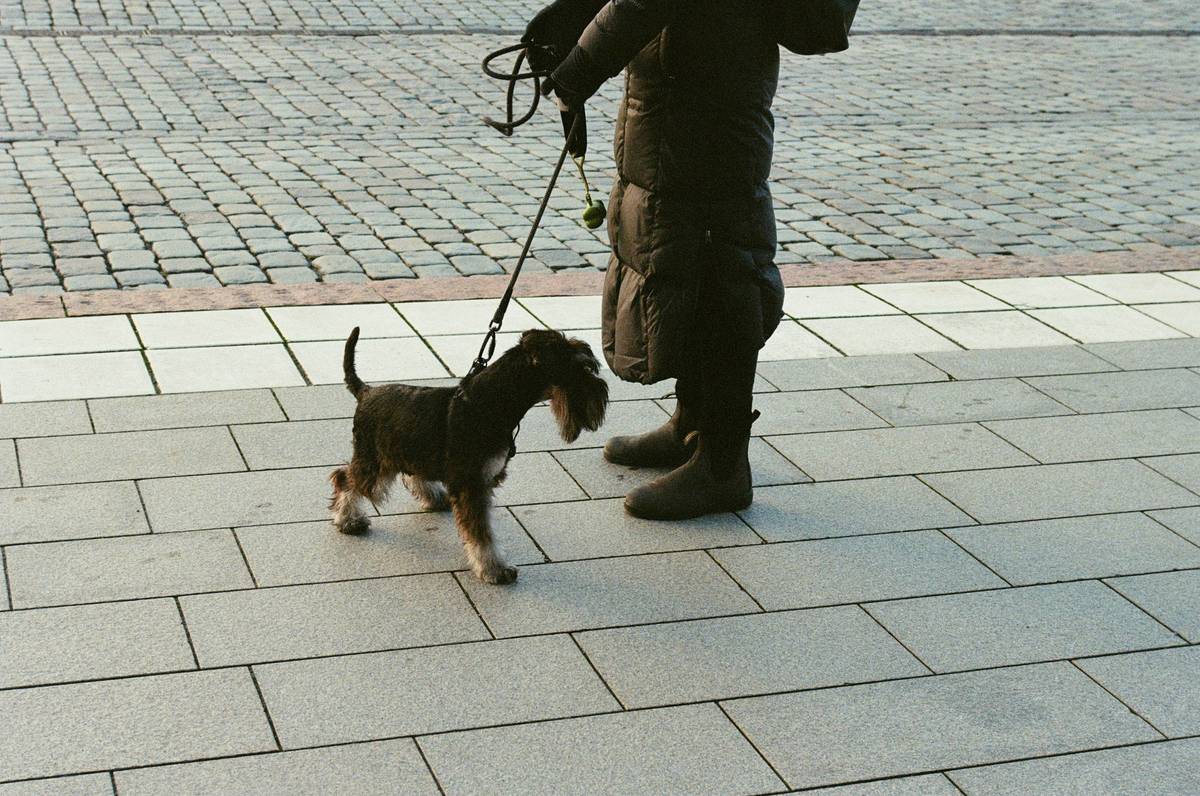
Max demonstrating perfect ‘place’ behavior during a grocery trip.
Frequently Asked Questions
What qualifies as acceptable public conduct for service animals?
Acceptable behavior includes staying focused, ignoring distractions, maintaining leash manners, and responding promptly to commands without causing disruptions.
How do I handle disobedience in public without embarrassment?
Calmly remove the animal from the situation, redirect with a familiar cue, and practice trouble spots privately before reintroducing them gradually.
Are there laws protecting against discrimination based on service animal misbehavior?
Generally no. Handlers must demonstrate their animal meets service animal public behavior rules to avoid disputes over access rights.
Conclusion
Training service animals to adhere to service animal public behavior rules requires dedication, strategy, and plenty of snacks. From mastering foundational commands to acing impromptu field tests, consistency remains king. Remember, Rome wasn’t built in a day—neither is a perfectly behaved service companion.
And hey, just like my golden retriever chasing pigeons taught me, failure fuels growth. Keep pushing forward, keep refining your techniques, and watch these amazing partnerships flourish.
Final thought: Like a Tamagotchi, your SEO needs daily care…and so does your service animal’s public etiquette game. 😉