Ever struggled to teach your service dog how to retrieve dropped items or open doors? If so, you’re not alone. Training a service dog is like teaching calculus to a toddler—equal parts challenging and rewarding (but mostly just chaotic). With the right techniques, though, even complex tasks can become second nature to them—and you’ll wonder how you ever managed without those wagging tails.
In this guide, we’ll dive deep into service dog task techniques, covering everything from basic obedience to advanced skills. By the end of this blog post, you’ll know how to approach training with confidence, troubleshoot common mistakes, and set realistic goals for your service pup.
Table of Contents
- Understanding the Basics of Service Dog Training
- Step-by-Step Guide to Teaching Service Dog Tasks
- Top Tips and Best Practices for Effective Training
- Real-Life Examples of Successful Service Dog Teams
- Frequently Asked Questions About Service Dog Task Techniques
Key Takeaways
- Start with foundational commands before advancing to specific tasks.
- Patience and consistency are crucial in mastering service dog task techniques.
- Use positive reinforcement methods for the best results.
- Avoid overwhelming your dog; progress at their pace, not yours.
- Real-world examples demonstrate that perseverance pays off when training a service animal.
Why Are Service Dog Task Techniques So Important?
Let’s face it: service dogs aren’t born knowing how to calm panic attacks or fetch medication bottles—they’re trained. The bond between handler and service dog hinges on these carefully honed techniques. Without proper training, even the most eager pups might fall short in critical moments.
I once worked with someone who thought yelling “FETCH!” would magically make a dog grab a soda can mid-air. Spoiler alert: It didn’t work. That’s why understanding the fundamentals matters—for both you and your furry partner.
To build trust and proficiency, you need two things:
- A solid foundation of obedience training.
- Clear communication tailored to your dog’s learning style.
How to Train Your Service Dog Using Proven Techniques
If there’s one thing every trainer agrees on, it’s this: Start small. Here’s how to methodically teach your service dog essential tasks:
Step 1: Establish Basic Commands
Your dog needs a strong grasp of commands like “sit,” “stay,” and “heel” before they can tackle more nuanced actions. Think of it as leveling up in a video game—you don’t fight the boss without collecting enough XP first.
Step 2: Break Down Tasks Into Smaller Steps
Tasks like retrieving dropped keys involve several steps: recognizing the command, locating the keys, picking them up, and bringing them back. Split these into smaller pieces and practice each one individually before combining them.
Step 3: Introduce Real-World Distractions
Once your dog masters a skill in a quiet room, introduce distractions. Test their focus in environments with noise, smells, or movement. After all, real-world scenarios won’t look like a Zen garden.
Step 4: Use Positive Reinforcement
Reward good behavior with treats, praise, or toys. Positive reinforcement creates happy associations, making your dog more likely to repeat desired behaviors. Fun fact: This strategy is chef’s kiss for turning tail wags into reliable responses.
Best Practices for Mastering Service Dog Task Techniques
Mistakes happen, but smart handlers learn from them. Below are my top tips for refining your training routine:
- Be Consistent: Use the same words or gestures every time.
- Prioritize Patience: Every dog learns differently. Don’t rush.
- Keep Sessions Short: Aim for 5–10 minute sessions to avoid burnout.
- Tailor Techniques to Your Dog: What works for a Border Collie may flop with a Bulldog.
- Avoid Overloading: Too many new tricks at once will confuse anyone (including humans).
Success Stories: Real People, Real Dogs
Meet Sarah and her Labrador, Max. Max was initially terrified of noisy environments—a major hurdle since he needed to assist Sarah in crowded public spaces. Through consistent exposure therapy paired with reward-based training, Max now confidently navigates bustling airports and busy malls.
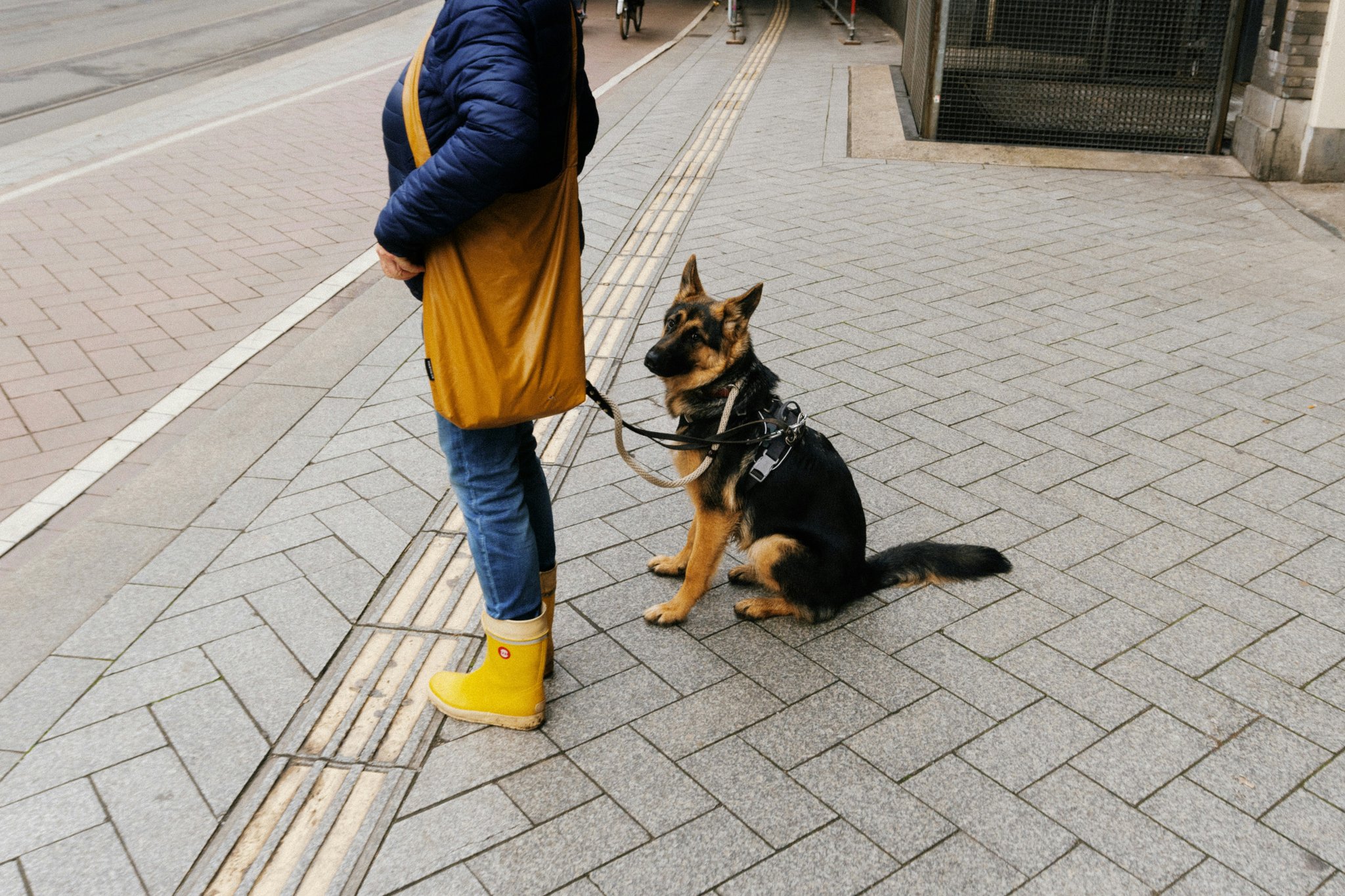
Their story proves that persistence pays dividends, no matter where you start. Even if progress feels slower than dial-up internet, stick with it—it’s worth it.
FAQs About Service Dog Task Techniques
What is the hardest task to train a service dog to do?
Tasks requiring fine motor control, such as turning light switches on/off, tend to be trickier because they demand precise movements.
Can any dog become a service dog?
Nope. Temperament, health, and trainability play huge roles. Not every pup has what it takes, and that’s okay.
Is punishment effective in training?
Terrible tip alert! Punishment often backfires, creating fear rather than compliance. Stick to positive reinforcement instead.
Conclusion
From mastering service dog task techniques to building an unbreakable bond, the journey isn’t always easy—but it’s absolutely rewarding. Remember: Celebrate small wins, adapt to challenges, and above all, enjoy the process.
“Like a Tamagotchi, your SEO needs daily care,” they say. In this case, consider this guide your cheat sheet for raising a rockstar service dog.