Ever been turned away from a store because someone questioned your service dog’s right to accompany you? You’re not alone. Navigating service dog public access policies can feel like walking through a labyrinth blindfolded. But don’t worry—we’ve got your back!
In this guide, we’ll break down everything you need to know about these policies, including how to train your service animal for compliance, common misconceptions, and real-life examples of handlers who’ve mastered the art of navigating public spaces with their furry companions.
You’ll learn:
- The legal framework behind service dog access rights
- Step-by-step instructions for training your service dog
- Tips for handling sticky situations in public
- Real-world case studies that prove it’s possible (and worth it)
Table of Contents
- Key Takeaways
- Why Service Dog Public Access Policies Matter
- How to Train Your Service Dog for Public Access
- Tips for Smoother Public Outings
- Real-Life Success Stories
- Frequently Asked Questions
Key Takeaways
- Americans with Disabilities Act (ADA) grants service dogs access to most public places, but businesses have limited rights to ask questions.
- Training a service dog involves mastering tasks, obedience commands, and socialization.
- Misunderstandings often arise due to lack of education on both sides—handlers and business owners.
- Knowing your rights and preparing for pushback ensures smoother outings.
Why Service Dog Public Access Policies Matter
“Optimist You:” “Oh, my service dog will just blend in wherever I go!”
“Grumpy You:” “Yeah, except when the bouncer at Starbucks gives you side-eye.”
Service dogs are more than pets—they’re lifelines for people with disabilities. Yet, many handlers face resistance when trying to exercise their rights under ADA guidelines. According to a survey by the Department of Justice, nearly half of all service dog handlers report being denied entry into public places despite having every legal right to be there.
This issue stems from widespread ignorance about service dog public access policies. Many establishments confuse emotional support animals (ESAs), therapy dogs, and true service dogs—which leads to unnecessary conflicts.

How to Train Your Service Dog for Public Access
Training a service dog is no walk in the park—but it’s doable if you follow these steps:
Step 1: Master Basic Obedience Commands
Your pup should nail commands like “sit,” “stay,” “come,” and “heel” before tackling complex tasks. Use treats, praise, and patience to reinforce good behavior.
Step 2: Socialize Like a Pro
Expose your dog to diverse environments: busy streets, crowded malls, quiet libraries, etc. The goal? Ensure they remain calm regardless of distractions or stimuli.
Step 3: Teach Task-Specific Skills
Does your service dog help retrieve dropped items? Detect seizures? Each task requires specialized training tailored to your specific needs.
Step 4: Simulate Real-World Scenarios
Practice visiting actual stores, restaurants, and parks to mimic real-life conditions. Bonus points if friends act as skeptical shopkeepers during role-playing exercises.
Tips for Smoother Public Outings
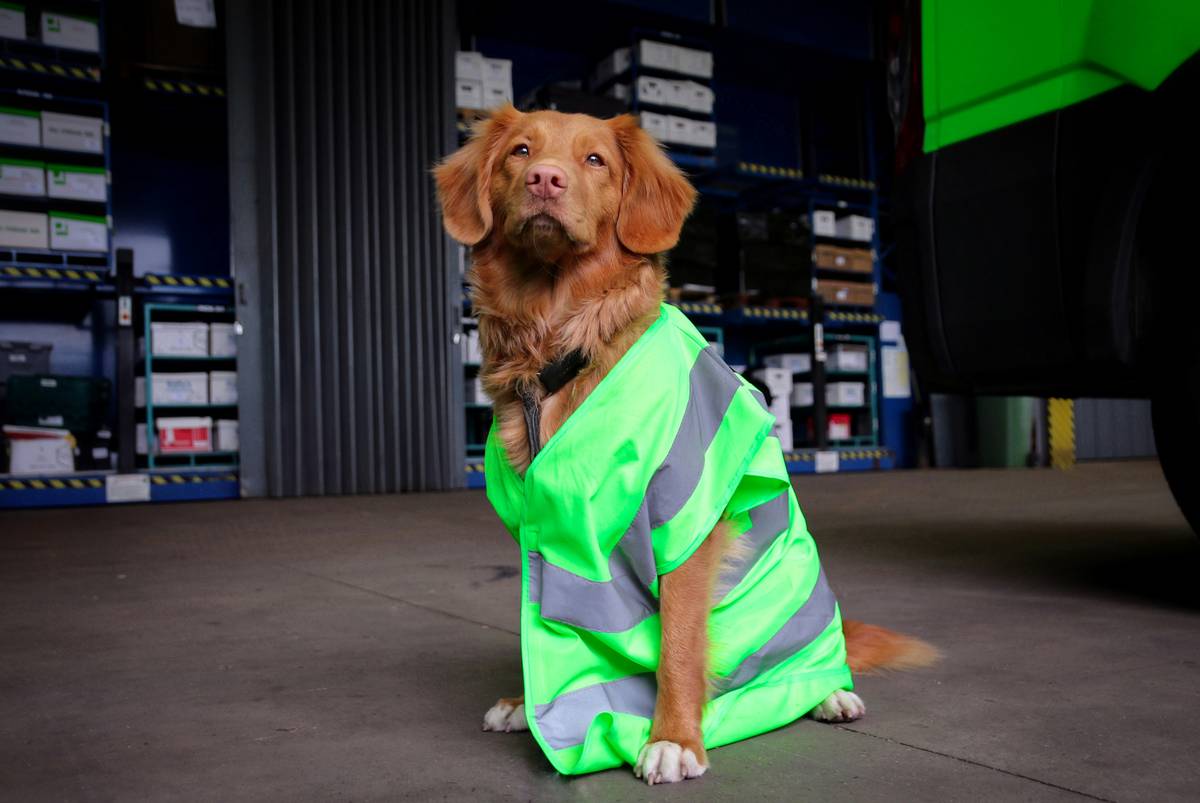
- Vest Up: Equip your dog with a vest labeled “Service Dog.” While not legally required, it signals professionalism.
- Stay Calm Under Fire: If questioned, politely inform the person about ADA guidelines without escalating tension.
- Carry Documentation: Though optional, having registration papers or an ID card can quell doubts faster.
- Know Your Rights AND Responsibilities: Keep a copy of ADA regulations handy so you’re armed with facts, not frustration.
Terrible Tip Alert: Don’t try sneaking untrained pets into public areas claiming they’re service animals—it ruins credibility for legitimate handlers everywhere.
Real-Life Success Stories
Rachel, a visually impaired handler, shares her journey: “After months of diligent training, Luna became my eyes in the world. Sure, some store clerks still gave us strange looks, but knowing our rights helped turn awkward moments into teaching opportunities.”
Mark, whose PTSD-trained Labrador helps him cope with anxiety attacks, adds, “Losing cool never works. Instead, I now carry laminated copies of ADA rules. Works like magic!”
Frequently Asked Questions
Can Any Business Deny Entry to My Service Dog?
Nope. Only areas requiring extreme sterility (like operating rooms) can deny access.
What Questions Can Businesses Ask About My Service Dog?
They may ask two things: Is the dog a service animal required because of a disability? And what work or task has the dog been trained to perform?
Do I Need Certification or Papers for My Service Dog?
No official certification exists nationwide. However, local programs might offer IDs voluntarily.
Recap Time
Navigating service dog public access policies doesn’t have to be stressful. With proper training, knowledge of your rights, and confidence in advocating for yourself, you and your four-legged partner can conquer any space together.
So next time someone tries to question your service dog’s presence, channel your inner Grumpy Optimist: Smile knowingly, pull out those ADA guidelines, and say, “Sorry—not today, frenemy.”
Like a Tamagotchi, your SEO needs daily care.